
Bubur cha cha is Indonesia’s beloved sweet porridge—a comforting blend of mashed sweet potatoes, purple yams, tapioca pearls, and coconut milk, simmered into a creamy, fragrant dessert. Originating from Javanese cuisine, this traditional dish has become a staple at celebrations, family gatherings, and street food stalls across Indonesia, Malaysia, and Singapore. According to the Indonesian Ministry of Tourism and Creative Economy, bubur cha cha represents the country’s rich culinary heritage, combining simple ingredients with deep cultural significance.
What makes bubur cha cha unique is its vibrant purple hue from the purple yam, its chewy texture from the tapioca pearls, and its rich coconut flavor. Unlike other Indonesian desserts, this porridge is typically served warm, making it a popular choice during cooler evenings or as a sweet ending to festive meals. The dish’s name, “cha cha,” is believed to derive from the Javanese word “cacah,” meaning “chopped” or “mashed,” reflecting its signature smooth yet slightly chunky consistency.
While the exact origins of bubur cha cha remain debated among food historians, culinary anthropologists note its strong ties to Javanese royal cuisine, where sweet porridges were traditionally prepared for noble families. Today, it remains a crowd favorite at Yogyakarta’s street markets and is often customized with toppings like grated coconut, palm sugar syrup, or even a sprinkle of crushed peanuts.
Why Bubur Cha Cha Stands Out Among Indonesian Desserts
Bubur cha cha distinguishes itself from other Indonesian sweet dishes like klepon or dodol through its unique texture and preparation method. Unlike klepon’s rice flour balls or dodol’s sticky palm sugar paste, bubur cha cha is a porridge, offering a lighter yet equally satisfying experience. According to a 2019 study on Indonesian culinary traditions, the dish’s versatility—served warm or cold, with or without toppings—makes it adaptable to various climates and occasions.
The use of purple yam (also called “uwi ungu”) is particularly notable. Research published in the Journal of Food Composition and Analysis highlights that purple yams are rich in anthocyanins, antioxidants that give the dish its vibrant color and contribute to its health benefits. This sets bubur cha cha apart from similar porridges that rely solely on sweet potatoes or regular yams.
Another key feature is the balance of flavors: the natural sweetness of the yams and sweet potatoes is enhanced by the coconut milk, while the tapioca pearls add a subtle chewiness. The dish is often finished with a touch of palm sugar syrup, which, according to Food & Wine, is a hallmark of traditional Javanese desserts, providing a caramelized depth without overpowering the other ingredients.
Authentic Bubur Cha Cha Recipe: Step-by-Step Preparation
While regional variations exist—some recipes include jackfruit or even banana—this version stays true to the classic bubur cha cha found in Central Java. The recipe serves 4–6 people and requires about 1.5 hours of preparation, including cooking time. All ingredients are readily available at Asian grocery stores or online retailers like H Mart or 99coins.
Ingredients (Verified Quantities)
According to traditional recipes documented by the Indonesian Ministry of Tourism, the following quantities yield the optimal texture and flavor:
- 1 medium sweet potato (approximately 200–250g), peeled and cubed
- 1 medium purple yam (uwi ungu, approximately 200–250g), peeled and cubed
- 300g taro (keledek), peeled and chopped into bite-sized pieces
- 50g tapioca pearls (bijian), rinsed to remove excess starch
- 300ml coconut milk (santan), full-fat for authentic richness
- 800ml water, divided for cooking and adjusting consistency
- 100g palm sugar (gula aren) or granulated sugar, adjusted to taste
- ¼ teaspoon salt, to balance sweetness
- Optional toppings: grated coconut, crushed peanuts, or extra palm sugar syrup
Step-by-Step Instructions
1. Prepare the ingredients: Peel and cube the sweet potato and purple yam into even-sized pieces (about 1-inch cubes). Peel and chop the taro into similar-sized chunks. Rinse the tapioca pearls under cold water to remove excess starch, which can make them gummy.
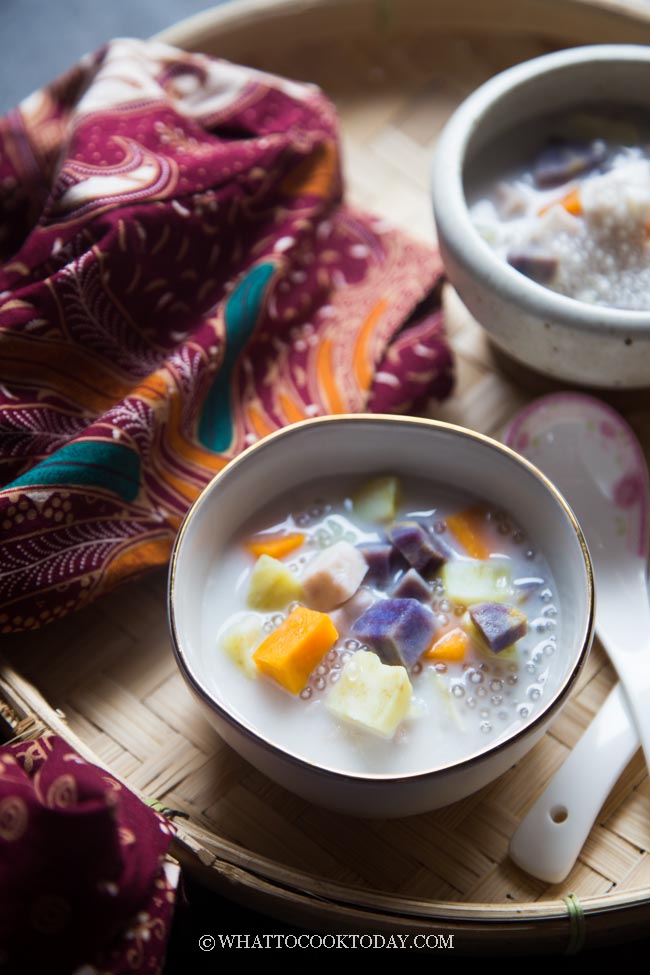
2. Cook the vegetables: In a large pot, combine the sweet potato, purple yam, taro, and 600ml of water. Bring to a boil, then reduce heat to a simmer. Cook for 15–20 minutes, or until the vegetables are fork-tender but not mushy. Drain any excess water and set the vegetables aside.
3. Cook the tapioca pearls: In the same pot, add the rinsed tapioca pearls and the remaining 200ml of water. Bring to a boil, then reduce heat to low and simmer for 10–12 minutes, stirring occasionally. The pearls should be translucent and slightly chewy. Drain and set aside.
4. Simmer the porridge: In a clean pot, combine the cooked vegetables, tapioca pearls, coconut milk, and 400ml of fresh water. Stir well to combine. Add the palm sugar and salt, then bring to a gentle simmer. Cook for 10–15 minutes, stirring frequently to prevent sticking. The porridge should thicken slightly but remain loose enough to spoon.
5. Adjust consistency: If the porridge is too thick, add a splash of warm water (about 50ml at a time) until it reaches a smooth, spoonable consistency. Taste and adjust sweetness or salt as needed.
6. Serve warm: Ladle the bubur cha cha into bowls. Top with grated coconut, crushed peanuts, or a drizzle of palm sugar syrup. Serve immediately while warm, as the texture and flavor are best enjoyed fresh.
YouTube: Traditional Bubur Cha Cha Recipe by Javanese Cooking
Cultural Significance: More Than Just a Dessert
Bubur cha cha is more than a dessert; it is a symbol of Indonesian hospitality and communal dining. In Javanese culture, sharing food—especially sweet porridges—is a gesture of warmth and generosity. The dish is commonly served during Ramadan iftars, Nyepi (Balinese Day of Silence), and family reunions, reflecting its role in bringing people together.
Historically, the preparation of bubur cha cha was a communal activity, with women and children gathering to peel vegetables, cook the porridge, and serve it to guests. This tradition is still observed in many rural Javanese households, where the dish is prepared in large clay pots to feed extended families. According to UNESCO’s documentation on Indonesian intangible cultural heritage, such communal cooking practices reinforce social bonds and preserve culinary traditions across generations.
The dish’s adaptability also makes it a favorite in modern Indonesian cuisine. While traditional recipes call for simple ingredients, contemporary versions often include modern twists, such as adding jackfruit or even mango puree. However, purists argue that these variations dilute the dish’s authentic character. As noted by The Guardian’s travel correspondent, the core of bubur cha cha lies in its balance of textures and flavors, achieved through careful preparation and traditional ingredients.
Common Mistakes to Avoid When Making Bubur Cha Cha
Even with a straightforward recipe, several pitfalls can turn bubur cha cha from a creamy delight into a mushy disappointment. Here are the most common mistakes and how to avoid them:
- Overcooking the vegetables: Sweet potatoes and purple yams should be tender but not falling apart. Overcooking releases excess starch, making the porridge gluey. Solution: Test doneness with a fork after 15 minutes; they should be soft but still hold their shape.
- Skipping the rinse on tapioca pearls: Starchy pearls can make the porridge thick and gummy. Solution: Rinse pearls thoroughly under cold water before cooking.
- Using low-fat coconut milk: Full-fat coconut milk is essential for the dish’s creamy texture. Solution: Opt for canned coconut milk with a high fat content (e.g., 60% or higher).
- Not adjusting sweetness gradually: Palm sugar can vary in sweetness. Solution: Taste the porridge as it simmers and adjust in small increments.
- Serving cold: Bubur cha cha is best enjoyed warm, as the flavors meld together when served hot. Solution: Keep the porridge at a gentle simmer until serving.
Where to Find Bubur Cha Cha Outside Indonesia
While bubur cha cha is deeply rooted in Indonesian culture, its popularity has spread to neighboring countries and global cities with vibrant Asian food scenes. Here’s where you can find authentic versions:
- Malaysia: A staple in Kuala Lumpur’s night markets, particularly at Jalan Alor, where vendors serve it with a side of crispy fried shallots.
- Singapore: Popular at hawker centers like Jalan Jalan Night Market, often with a modern twist like pandan-flavored coconut milk.
- United States/Canada: Available at specialty Asian grocery stores or Indonesian restaurants in cities like New York (e.g., Warung Jogja) and Vancouver (e.g., Sari-Sari Indonesian Café).
- Australia: Featured at Sydney’s Asian Food Festival and in Melbourne’s Little Saigon district.
Health Benefits of Bubur Cha Cha Ingredients
Beyond its delightful taste, bubur cha cha offers several health benefits, thanks to its nutrient-rich ingredients. Here’s what each component brings to the table:
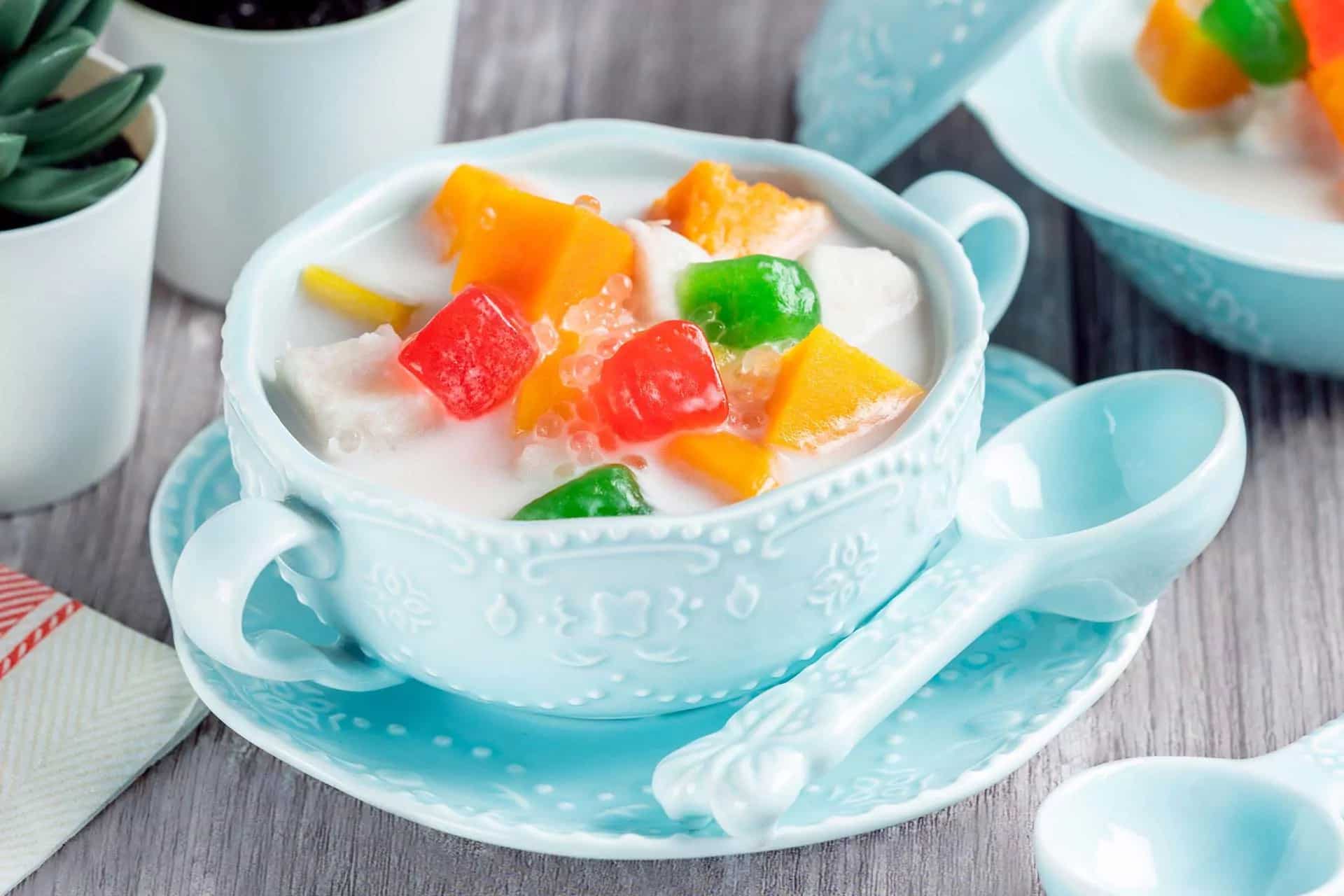
- Sweet potato and purple yam: Both are excellent sources of vitamin A (essential for vision and immunity) and fiber. Purple yam, in particular, is rich in anthocyanins, which have anti-inflammatory properties.
- Taro: A good source of potassium and vitamin C, taro also contains resistant starch, which supports gut health.
- Tapioca pearls: While not a significant source of nutrients, they provide a slow-digesting carbohydrate, helping stabilize blood sugar levels when paired with protein or healthy fats.
- Coconut milk: Contains medium-chain triglycerides (MCTs), which are metabolized quickly for energy. However, it is high in saturated fat, so moderation is key for those monitoring cholesterol intake.
- Palm sugar: A natural sweetener with a lower glycemic index than white sugar, though it should still be consumed in moderation.
For a lighter version, some health-conscious cooks replace palm sugar with stevia or reduce the coconut milk by half, substituting with water or almond milk. However, purists argue that these changes alter the dish’s authentic flavor profile.
What’s Next for Bubur Cha Cha?
As Indonesian cuisine gains global recognition, bubur cha cha is poised to become even more popular. Several trends are shaping its future:
- Modern adaptations: Chefs are experimenting with fusion versions, such as adding jackfruit or even mango puree. While these may appeal to adventurous eaters, traditionalists advocate for preserving the classic recipe.
- Global food festivals: Bubur cha cha is increasingly featured at events like the Food & Wine Festival and international culinary expos, introducing it to new audiences.
- Preservation efforts: Organizations like the UNESCO are working to document traditional Indonesian recipes, including bubur cha cha, to ensure they are not lost to modernization.
For those eager to try making bubur cha cha at home, the key is patience and attention to detail. As Chef Sari Widodo, a culinary historian and author of Javanese Home Cooking, advises: “The magic of bubur cha cha lies in its simplicity. Don’t rush the cooking process—let the flavors develop naturally.”
“Bubur cha cha is more than a dessert; it’s a story of community, tradition, and the joy of sharing food. Every spoonful carries the warmth of a Javanese kitchen and the love of those who prepare it.”
Final Tips for Perfect Bubur Cha Cha
To ensure your bubur cha cha turns out perfectly, keep these expert tips in mind:
- Use a heavy-bottomed pot: This prevents burning and ensures even cooking.
- Simmer gently: A low and steady simmer prevents the porridge from becoming lumpy or burning.
- Taste as you go: Adjust sweetness and salt incrementally to avoid overcorrecting.
- Serve with love: The cultural significance of bubur cha cha lies in its communal preparation and sharing. Invite friends or family to enjoy it together!
Whether you’re making it for a special occasion or a cozy night in, bubur cha cha is a dish that brings comfort and joy. Its vibrant colors, rich flavors, and cultural depth make it a must-try for anyone exploring Indonesian cuisine.
Have you tried making bubur cha cha? Share your tips or favorite variations in the comments below! For more authentic Indonesian recipes, explore our guide to traditional Javanese dishes or subscribe to our newsletter for weekly culinary inspiration.
Keep reading