
In August 2021, as the Taliban assumed control of Kabul, a clandestine international effort was launched to evacuate the members of the Afghan women’s national cycling team. Facing immediate threats due to their public profile as female athletes, the cyclists underwent a high-risk extraction process that involved multiple NGOs, human rights activists, and foreign governments. According to reports from the Guardian, dozens of team members and their families were eventually relocated to Italy, marking the conclusion of a complex logistical operation conducted amidst the chaos of the airport evacuation.
The evacuation of the Afghan women’s cycling team represents a broader trend of civil society organizations stepping in to protect individuals targeted by the Taliban’s restrictive social policies. Since the fall of the previous government, the Taliban has effectively banned women from participating in most sports, reversing years of progress for female athletes in the country. The operation to secure the cyclists’ safety underscores the precarious position of women in public life under the current administration, which has barred girls from secondary education and restricted movement for women without a male guardian, as documented by Human Rights Watch.
The Risks Faced by Afghan Female Athletes
The professional cycling team had long served as a symbol of progress and gender equality in Afghanistan. However, the team’s visibility made its members primary targets for intimidation and violence following the Taliban’s return to power. According to the BBC, many athletes received direct threats, forcing them into hiding as they awaited a path out of the country. The danger was not limited to the cyclists themselves; their family members were also at risk of retaliation for supporting the women’s athletic pursuits.
The systematic dismantling of women’s sports in Afghanistan has been a core component of the Taliban’s agenda. By mid-2022, the government had effectively dismantled the infrastructure that supported women’s participation in competitive athletics. The United Nations Women organization reported that the exclusion of women from public spaces and professional spheres has had a devastating impact on the mental health and physical autonomy of Afghan women, who previously had access to international training and competition circuits.
Logistics of the Clandestine Extraction
Organizing the escape required a delicate balance of diplomatic maneuvering and on-the-ground coordination. The effort was not a singular event but a series of coordinated movements that utilized various exit routes from Kabul. International cycling bodies, including the Union Cycliste Internationale (UCI), were instrumental in lobbying governments to provide humanitarian visas to the athletes. The UCI confirmed in September 2021 that it had worked alongside various non-governmental organizations to ensure the safety of the riders.
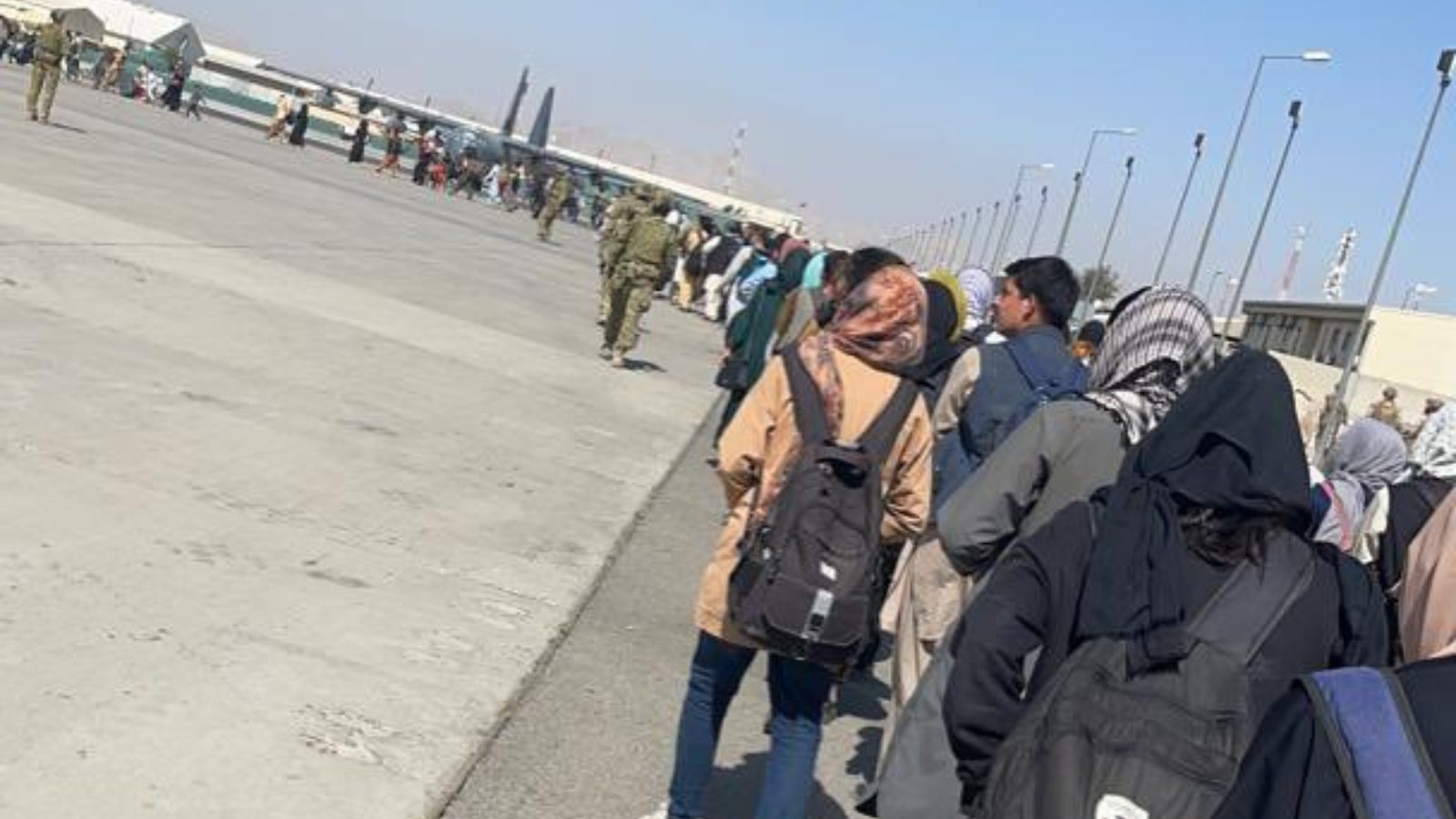
The complexity of these evacuations was compounded by the security environment at Kabul’s Hamid Karzai International Airport. Thousands of civilians attempted to flee the country during the final weeks of the U.S.-led withdrawal, creating a dangerous bottleneck that made organized group travel nearly impossible. The successful evacuation of the cycling team relied on the use of “safe houses” and the cooperation of international aid workers who managed the paperwork and transport logistics in an environment where official government functions had effectively collapsed, as noted by Reuters.
Life After Evacuation
For those who reached safety, the transition to life in Europe has been marked by the challenge of maintaining their athletic careers while navigating the trauma of displacement. Many of the riders have continued to compete in international events, often representing their home country in exile. The Italian government, which played a major role in the final stages of the transport, provided residency permits and integration support to the athletes, allowing them to resume training in a secure environment.
Despite their physical safety, the athletes continue to advocate for those left behind. The situation for women’s sports in Afghanistan remains dire, with few opportunities for training or competition within the country’s borders. According to updates from Amnesty International, the ongoing restrictions on women’s rights are among the most severe in the world, and the international community remains divided on how to engage with the Taliban authorities to restore access to education and public life for Afghan women.
Frequently Asked Questions
Are there still female athletes in Afghanistan?
While some athletes remain in the country, they are largely unable to practice publicly. Most organized sports programs for women have been disbanded, and athletes face significant personal risk if they attempt to train or compete.

What is the current status of the Afghan women’s cycling team?
The core members of the national team who were evacuated are currently residing in various host countries, primarily in Europe. They continue to train and participate in international cycling events under different affiliations.
How can one support Afghan women in sports?
International organizations, including the International Olympic Committee (IOC), provide guidance on how to support displaced athletes. Those interested in humanitarian support typically contribute to established NGOs that specialize in refugee resettlement and the protection of human rights defenders.
The situation in Afghanistan continues to evolve as international monitoring bodies track the impact of ongoing policies on gender equality. There are no scheduled international hearings regarding the specific status of the cycling team; however, the United Nations Human Rights Council frequently holds sessions on the status of women in Afghanistan, with the next periodic updates expected in the upcoming quarter. Readers are encouraged to share this report and monitor official statements from the UCI and human rights organizations for further developments regarding Afghan athletes.
Worth a look