The Strait of Hormuz remains a critical chokepoint for global energy markets, where ongoing geopolitical tensions continue to cast doubt on the long-term reliability of maritime trade routes. Despite periodic efforts to stabilize the region, shipping companies and insurers remain cautious, citing persistent security risks that prevent a return to pre-crisis operational confidence. As approximately 20% of the world’s total petroleum liquids consumption passes through this narrow passage, any disruption carries immediate consequences for global oil prices and supply chain stability, according to the U.S. Energy Information Administration.
For global markets, the “limits of diversification” in energy transit have become an urgent economic reality. While nations have sought to develop alternative pipelines and transit corridors to bypass the Strait of Hormuz, the volume of traffic remains heavily concentrated in this volatile waterway. Industry analysts emphasize that while infrastructure projects—such as the Abu Dhabi Crude Oil Pipeline—offer some flexibility, they are insufficient to fully decouple global energy flows from the security environment of the Persian Gulf.
Geopolitical Risk and Maritime Insurance
The security of the Strait of Hormuz is not merely a matter of military presence but a primary factor in the calculation of maritime insurance premiums. Following a series of incidents involving tanker seizures and drone activity, insurers have maintained “high-risk” designations for the area. According to data from Lloyd’s of London, underwriters assess risk based on current threat intelligence, which remains fluid. When the perceived risk of asset loss increases, the cost of war-risk insurance spikes, directly inflating the final price of crude oil and liquefied natural gas (LNG) delivered to international markets.
Shipping firms are increasingly caught between the necessity of the route and the rising costs of transit. Many operators have implemented additional security protocols, including increased speed while in the strait and the use of armed security details, though these measures do not eliminate the underlying threat of state-sponsored or proxy-led interference. The inability to fully mitigate these risks means that even during periods of relative calm, the “risk premium” remains baked into energy commodity pricing.
The Limits of Infrastructure Diversification
Diversification strategies, often touted as a solution to chokepoint vulnerability, face significant geographic and capital-intensive hurdles. Major energy exporters in the Middle East have explored land-based alternatives to move oil to the Red Sea or the Mediterranean. However, as noted by the International Energy Agency, these pipelines often lack the total capacity required to replace the daily throughput of the Strait of Hormuz. Furthermore, these land routes are themselves subject to regional instability, as evidenced by recent disruptions in the neighboring Red Sea and Bab al-Mandab Strait.
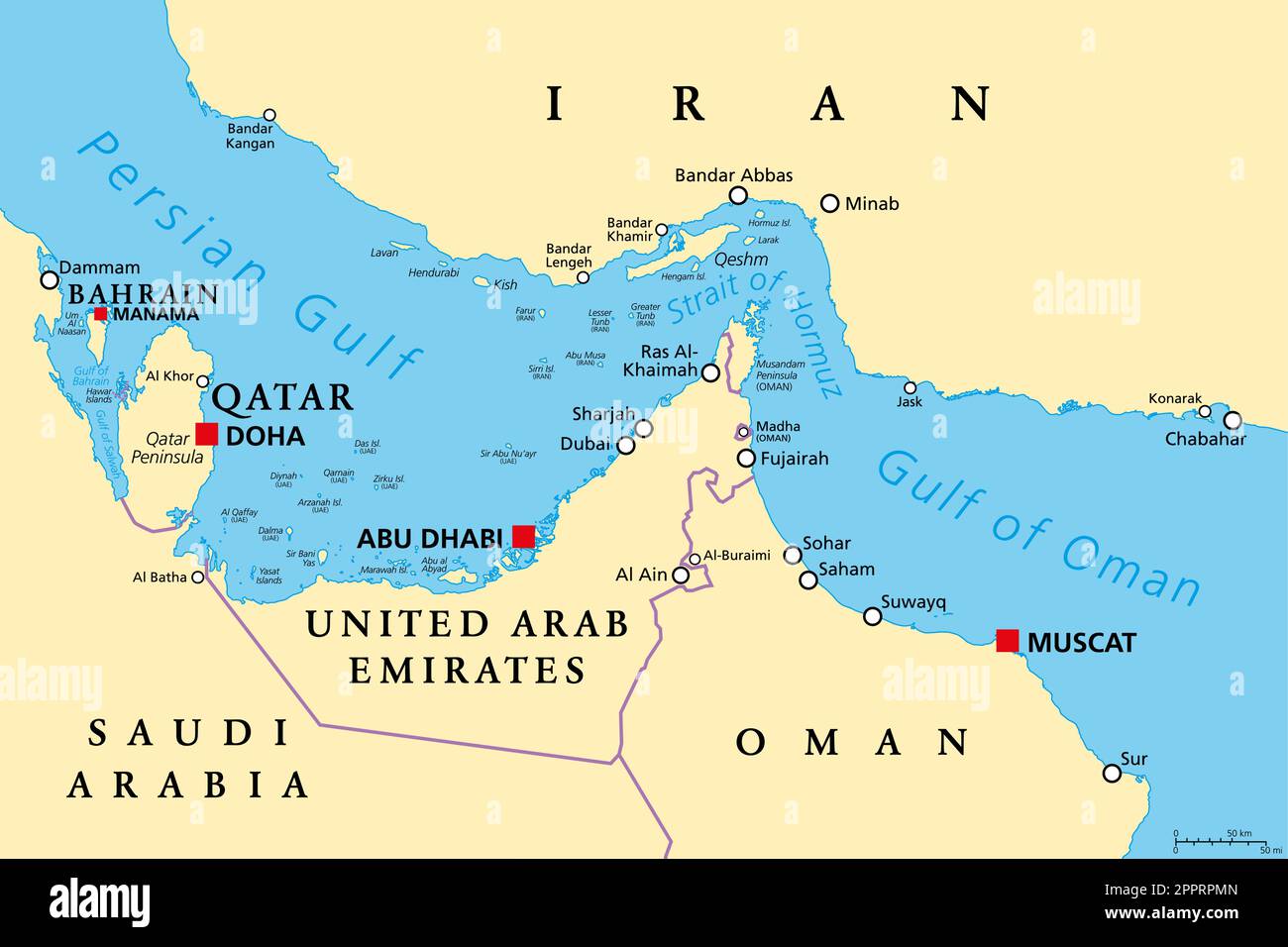
The reliance on a single maritime artery creates a structural bottleneck that cannot be easily bypassed. Investment in alternative infrastructure requires decades of planning and cross-border cooperation, which is frequently impeded by shifting diplomatic alliances. Consequently, global markets remain tethered to the security of the Strait, with any escalation in regional rhetoric triggering immediate volatility in futures markets. This sensitivity underscores the limitations of current energy security policies.
Impact on Global Energy Markets
The economic impact of persistent insecurity in the Strait of Hormuz extends beyond oil prices to broader industrial production costs. As the global economy remains dependent on stable energy inputs, the risk of a supply shock serves as a deterrent to long-term capital investment in energy-intensive sectors. According to the International Monetary Fund, sustained energy price volatility acts as a drag on global GDP growth, particularly for import-dependent economies in Europe and Asia.
Market participants are now factoring in a “permanent state of caution.” Unlike previous decades, where maritime security was largely taken for granted, the current environment necessitates continuous monitoring of maritime traffic flows and naval maneuvers. This shift has led to the integration of advanced satellite tracking and real-time security reporting into the standard operations of major energy trading houses, reflecting a new, high-cost operational baseline.
Future Developments and Monitoring
Stakeholders in the energy sector are looking toward upcoming developments to gauge the stability of the region. The next cycle of international maritime security updates, often coordinated through naval coalitions and regional monitoring groups, will provide the next set of data points for insurers and shipping companies. Observers are particularly focused on any changes to the current threat advisory levels issued by the U.S. Maritime Administration, which serves as a primary source for global shipping safety guidance.
The persistence of these risks suggests that the “limits of diversification” will remain a central theme in economic policy discussions for the foreseeable future. As the global energy landscape evolves, the interplay between maritime security, insurance costs, and transit infrastructure will continue to dictate the price of energy for consumers worldwide. Readers interested in the latest updates on maritime security advisories are encouraged to monitor official government portals and trade association briefings for the most accurate, real-time information.
Related reading