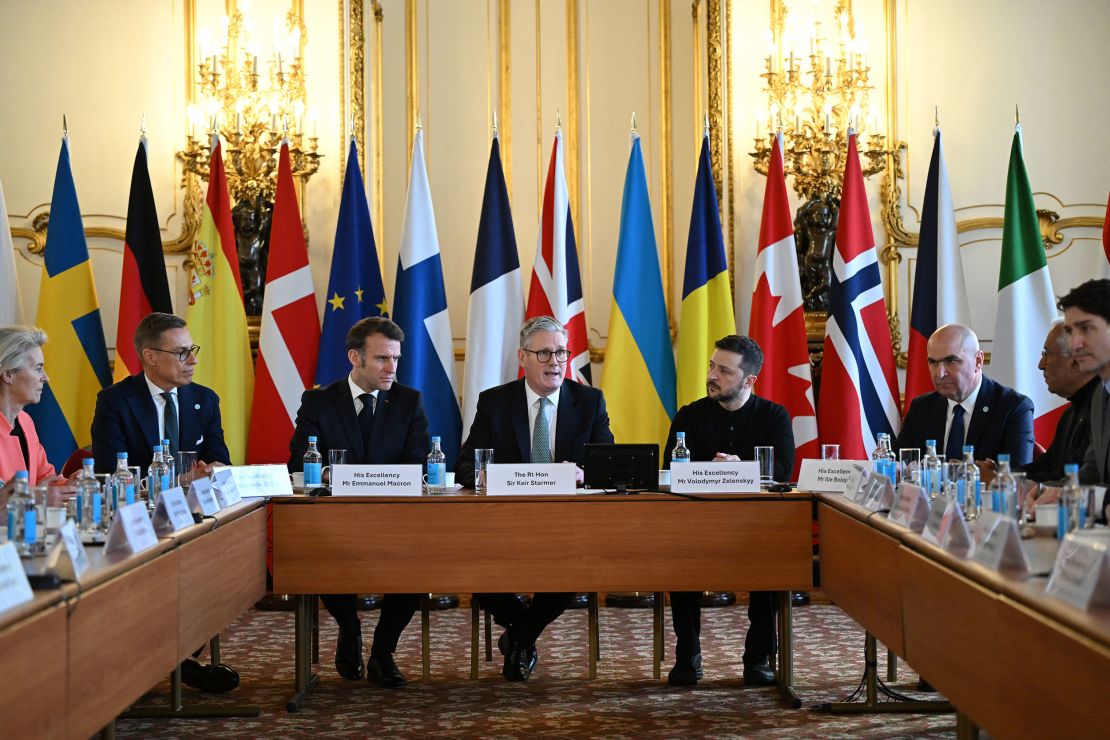
Ukrainian President Volodymyr Zelenskyy has stated that leaders of the Group of Seven (G7) nations remain united in the assessment that Russia is failing to achieve its strategic objectives in the ongoing conflict. During recent diplomatic engagements, Zelenskyy emphasized that international support for Kyiv’s sovereignty remains a cornerstone of G7 policy, as the coalition continues to coordinate economic and military assistance to prevent a Russian breakthrough on the front lines.
The diplomatic focus on Ukraine, coupled with broader discussions on global stability and energy security, dominated the recent G7 summit agenda. According to reports from the G7 summit proceedings, leaders finalized a plan to provide approximately $50 billion in loans to Ukraine, utilizing the interest generated from frozen Russian sovereign assets. This financial mechanism underscores the persistent commitment among G7 members to sustain Ukraine’s defense capabilities without relying solely on domestic budgetary allocations.
Diplomatic Efforts and the Prospect of Negotiations
The discourse surrounding potential peace negotiations has intensified following recent communications between international leaders. President Zelenskyy has publicly indicated his willingness to engage in dialogue, provided such discussions align with international law and the preservation of Ukraine’s territorial integrity. His comments follow reports of a telephone conversation with U.S. President-elect Donald Trump, during which the subject of a potential meeting with Russian President Vladimir Putin was reportedly raised.
.jpg "Diplomatic Efforts and the Prospect of Negotiations")
While the Kremlin has maintained a policy of demanding concessions that include the recognition of occupied territories, the international community, led by the G7, has consistently rejected these conditions. The G7 Apulia Communiqué reiterated that a just and lasting peace must be based on the principles of the UN Charter. Analysts note that the disparity between Kyiv’s demands for a full withdrawal of Russian forces and Moscow’s insistence on maintaining control over annexed regions remains the primary obstacle to any formal ceasefire or peace process.
Energy Sanctions and Economic Pressure
A significant component of the G7’s strategy involves the tightening of economic pressure on the Russian energy sector. Proposals to re-examine and potentially expand sanctions on Russian oil exports have been a recurring theme in recent policy debates. The G7 Price Cap Coalition, which includes the European Union and several G7 members, continues to monitor the effectiveness of the $60-per-barrel price cap on Russian seaborne crude oil, a policy implemented to reduce Kremlin revenues while maintaining global energy market stability, as detailed by the U.S. Department of the Treasury.
The discussion regarding energy sanctions is further complicated by the global demand for energy and the fluctuating prices of hydrocarbons. While some voices within the international political sphere have called for more aggressive enforcement of existing sanctions, others emphasize the need to avoid supply shocks that could impact the global economy. The ongoing International Energy Agency (IEA) market analysis suggests that Russian export volumes remain sensitive to both geopolitical developments and the evolving regulatory environment established by Western powers.
The Path Forward for Ukraine’s Defense
As the conflict enters a new phase, the focus for Ukraine remains the procurement of advanced air defense systems and long-range capabilities to protect civilian infrastructure and military logistics. Zelenskyy has frequently cited the necessity of maintaining a “clear and consistent” signal of support from Western partners to deter further Russian aggression. The coordination of these efforts is managed through the Ukraine Defense Contact Group, a coalition of over 50 nations that meets regularly to align military aid requirements with available industrial production capacity, as reported by the U.S. Department of Defense.
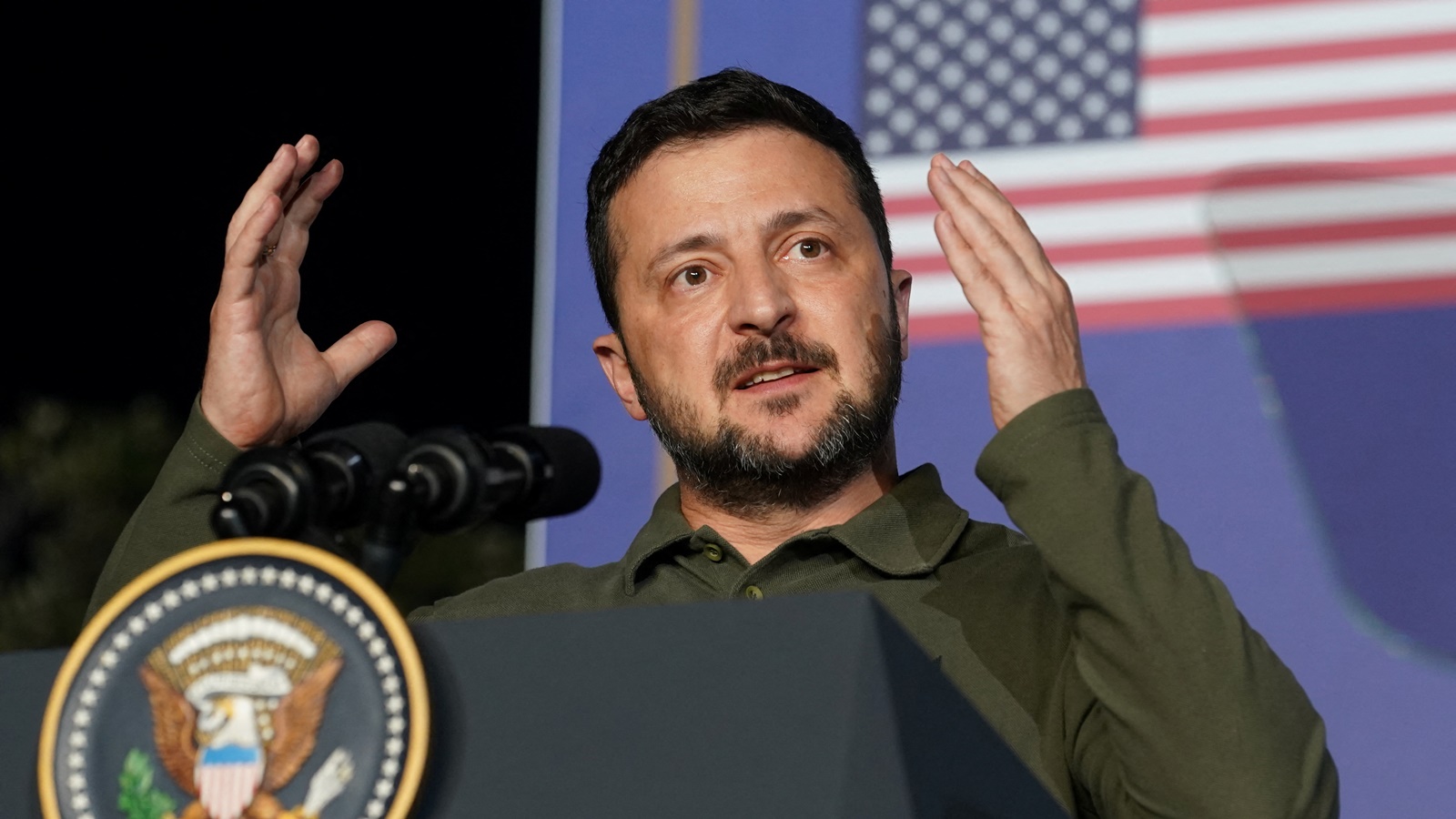
The next major checkpoint for these discussions will be the upcoming ministerial meetings and the scheduled reports from the European Commission regarding Ukraine’s integration processes. Global observers are also awaiting further clarity on how a shift in U.S. executive leadership might impact the trajectory of military aid and diplomatic mediation efforts in the coming months.
We encourage our readers to share their perspectives on these developments in the comments section below. Stay tuned to World Today Journal for ongoing updates as we continue to track the geopolitical shifts affecting the global security landscape.