
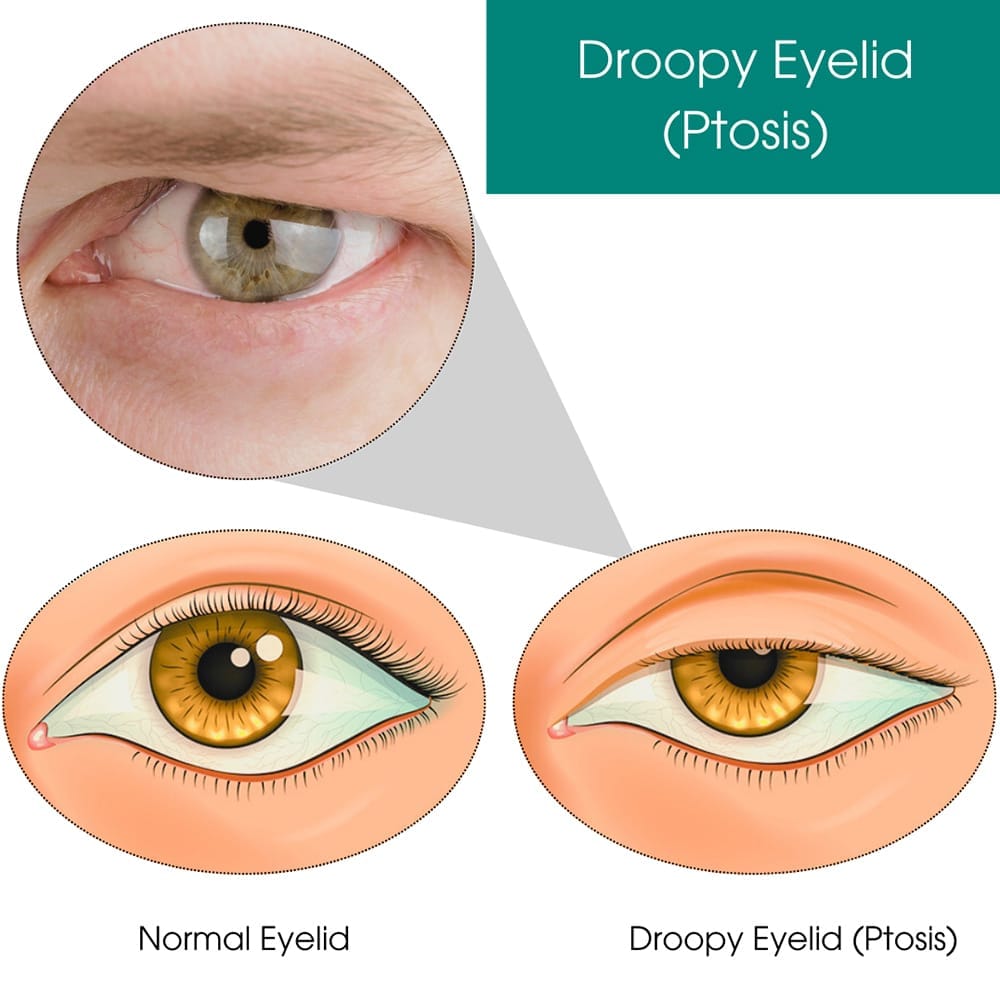
Droopy eyelids—medically known as ptosis—are a common sign of aging, affecting up to 1 in 10 adults over 50. The condition occurs when the levator muscle that lifts the eyelid weakens or stretches over time, while excess skin and fat accumulate, creating a sagging appearance. According to the American Academy of Ophthalmology, this can be purely cosmetic but may also obstruct vision if severe enough, requiring medical intervention. While genetics play a role, lifestyle factors like smoking, sun exposure, and even hard contact lens use can accelerate the process.
For many, the first sign appears in photos or when staring at a mirror: the upper lids sit lower than before, extra skin folds over the eyelid crease, or the eyes seem less “open.” The skin around the eyes is particularly delicate, losing collagen and elastin with age, which contributes to sagging. But not all drooping is age-related—nerve damage, autoimmune conditions like myasthenia gravis, or even tumors can cause sudden ptosis, sometimes as a side effect of cataract surgery or eye injuries.
If droopy eyelids are affecting your vision, causing headaches from constant eyebrow-lifting, or simply bothering your appearance, experts say there are steps you can take. From prescription eye drops to surgical options like blepharoplasty or ptosis repair, treatments vary depending on the root cause. Insurance coverage often depends on whether vision is impaired, with insurers requiring documentation such as photos and visual field tests. Below, we break down why this happens, how to tell if it’s a medical concern, and what you can do to address it.
Why Do Eyelids Droop with Age?
Age-related eyelid drooping typically falls into three main categories, according to oculoplastic surgeons: ptosis (muscle weakness), dermatochalasis (excess skin), and brow ptosis (drooping eyebrows). Each has distinct causes and requires different treatments.
1. Ptosis: When the Levator Muscle Weakens
The levator muscle and its tendon—the structures that lift the upper eyelid—gradually weaken with age due to natural wear and tear. Over time, the tendon can stretch, separate, or become less responsive, causing the eyelid to sag. This condition, called blepharoptosis, is more noticeable by the end of the day, especially if a person compensates by tilting their head back or raising their eyebrows to see better.
According to the Cleveland Clinic, ptosis can also result from nerve damage, trauma, or autoimmune diseases like myasthenia gravis, which causes muscle weakness. In rare cases, tumors or other growths near the eyelid can press on the levator muscle, leading to drooping.
2. Dermatochalasis: Excess Skin and Fat
Dermatochalasis refers to loose, sagging skin and sometimes fat that accumulates on the upper eyelid. This occurs when the connective tissue in the eyelid skin loses elasticity, often due to aging, sun exposure, or smoking. The skin may fold over the eyelid crease, creating a heavy appearance that can obstruct vision if severe.
Unlike ptosis, dermatochalasis is primarily a cosmetic issue unless it interferes with sight. The American Academy of Ophthalmology notes that while genetics influence how quickly this happens, lifestyle factors like frequent eye rubbing or prolonged sun exposure without protection can worsen it.
3. Brow Ptosis: When Eyebrows Drop
A third condition, brow ptosis, occurs when the eyebrow itself droops, often due to weakened muscles or support structures around the eye. This can make the eyes appear smaller and more tired, even if the eyelids themselves are not sagging. Genetics and muscle weakness are key contributors, though aging and gravity play a role.
When Should You See a Doctor?
Most age-related eyelid changes are cosmetic, but some warrant medical attention. According to the American Academy of Ophthalmology, you should consult an eye specialist if:
- Vision is obstructed: If the drooping eyelid covers part of your pupil, making it difficult to see clearly, especially when reading or driving.
- You experience discomfort: Headaches, eyebrow fatigue, or constant eye strain from lifting the brows to compensate.
- Symptoms appear suddenly: Sudden drooping, double vision, or difficulty opening the eye could signal a medical emergency like a stroke or nerve damage.
Even if vision isn’t affected, if droopy eyelids bother you cosmetically, an oculoplastic surgeon can evaluate whether nonsurgical or surgical options are suitable.
How to Prevent Eyelid Drooping from Worsening
While genetics and aging are major factors, certain lifestyle choices can help slow the progression of droopy eyelids:
- Avoid smoking: Smoking reduces collagen and elastin, accelerating skin laxity around the eyes.
- Protect your eyes from the sun: Wear sunglasses with UV protection to prevent sun damage that weakens eyelid skin.
- Reduce eye rubbing: Frequent rubbing stretches the delicate skin and muscles around the eyes.
- Stay hydrated and eat a balanced diet: Proper hydration and nutrients like vitamin C and omega-3s support skin elasticity.
- Attend regular eye exams: Early detection of conditions like glaucoma or cataracts can prevent complications that affect eyelid function.
For those who wear hard contact lenses, prolonged use may contribute to eyelid stretching, though the evidence is limited. The American Academy of Ophthalmology advises consulting an eye doctor if you notice changes after wearing contacts for extended periods.
Treatment Options for Droopy Eyelids
The best treatment depends on the underlying cause. Options range from nonsurgical fixes to surgical procedures:
Nonsurgical Treatments
- Prescription eye drops: Certain drops can temporarily lift the eyelid by stimulating the levator muscle, providing a 1–2 mm lift for up to eight hours. However, they are expensive and may cause irritation.
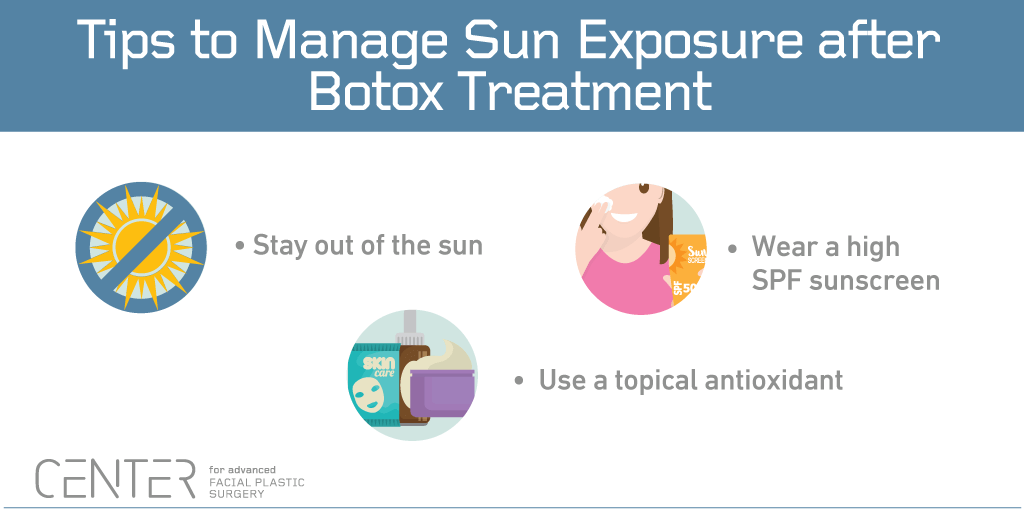
- Botox or fillers: While these can create a mild brow lift, they do not address true ptosis or excess skin. Botox effects last about three months.
- Skin-tightening procedures: Radiofrequency or laser treatments may reduce fine wrinkles but are not effective for treating sagging eyelid skin or muscle weakness.
Surgical Solutions
For more severe cases, surgery is often the most effective option:
- Blepharoplasty: Removes excess skin and fat from the upper eyelid, improving appearance and sometimes vision. It is most effective for dermatochalasis.
- Ptosis repair: Tightens or repositions the levator muscle to lift the eyelid. This is necessary when ptosis obstructs vision or causes significant discomfort.
- Brow lift: Addresses brow ptosis by lifting the eyebrow muscles, often combined with other procedures.
According to The Ohio State University Wexner Medical Center, insurance coverage for these procedures depends on whether vision is impaired. Patients typically need documentation, including photos and visual field tests, to demonstrate that the drooping affects their ability to see.
What to Expect During Surgery
Blepharoplasty and ptosis repair are outpatient procedures, usually taking 1–2 hours under local anesthesia. Recovery involves:
- Mild swelling and bruising for a few days.
- Avoiding strenuous activities for 1–2 weeks.
- Following post-op care instructions to minimize complications.
Most patients see noticeable improvement within a few weeks, though full results may take several months as swelling subsides.
Key Takeaways
- Droopy eyelids are primarily caused by aging, but lifestyle factors like smoking and sun exposure can accelerate the process.
- Ptosis (muscle weakness), dermatochalasis (excess skin), and brow ptosis are the three main types, each requiring different treatments.
- If vision is obstructed or you experience discomfort, consult an oculoplastic surgeon.
- Nonsurgical options like eye drops and Botox offer temporary relief, while surgery provides long-term solutions.
- Insurance may cover procedures if they improve vision, but documentation is often required.
If you’re concerned about droopy eyelids, schedule an eye exam to determine the best course of action. Early intervention can prevent further sagging and improve both appearance and function.
Next Steps: The American Academy of Ophthalmology recommends regular eye exams to monitor changes. For those considering surgery, consult an oculoplastic surgeon to discuss options tailored to your needs.
Have you noticed changes in your eyelids? Share your experiences in the comments below.
Related reading