
The global health burden associated with the use of amphetamines, cannabis, cocaine, and opioids has been subject to a formal re-evaluation, following the publication of an author correction regarding a comprehensive Global Burden of Disease (GBD) study. This research, which tracks substance use trends across 204 countries from 1990 to 2023, provides a systematic assessment of the mortality, morbidity, and disability-adjusted life-years (DALYs) attributable to these substances. According to the Institute for Health Metrics and Evaluation (IHME), which coordinates the GBD study, accurate data on substance use is essential for shaping international public health policy and resource allocation.
As a physician based in Berlin, I frequently observe how data-driven insights influence clinical guidelines and community health initiatives. This latest correction ensures that the statistical representation of global substance use remains a reliable foundation for policymakers and medical researchers. By refining the methodology used to calculate the impact of these specific drug classes, the study aims to provide a clearer picture of how substance-related health crises have evolved over the past three decades.
Refining the Methodology of Global Substance Use Tracking
The core of the recent adjustment involves a technical refinement of the data models used to estimate the burden of substance use. In large-scale epidemiological studies such as the GBD, minor variations in reporting across different national health systems can lead to discrepancies in long-term trend analysis. The correction addresses specific parameters within the model that track the transition from substance use to substance use disorders, ensuring that the longitudinal data from 1990 to 2023 remains consistent with updated clinical definitions. The World Health Organization (WHO) maintains that standardized data collection is the only way to compare health impacts across such diverse geopolitical landscapes.
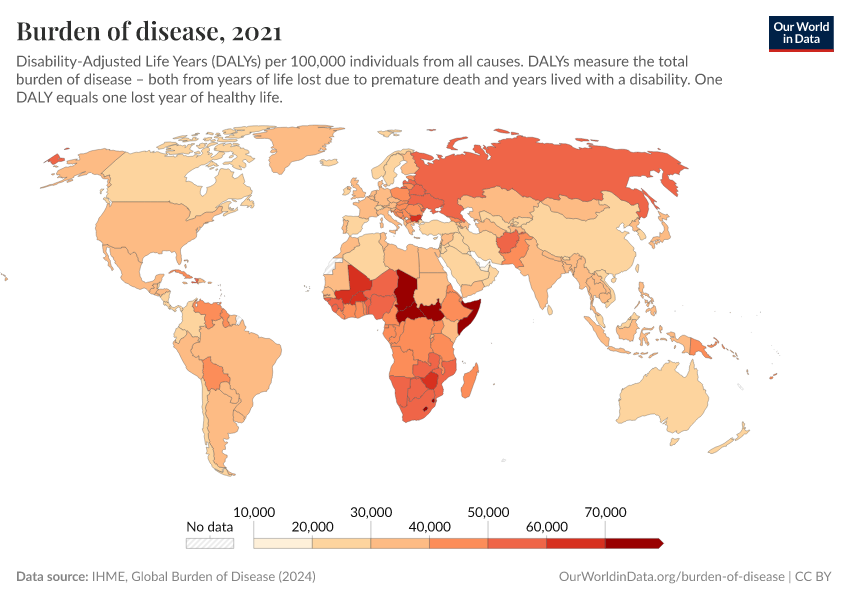
For health professionals, these figures are not merely statistics; they represent the scale of the challenge in providing equitable care. The burden of disease is measured in DALYs, a metric that combines years of life lost due to premature mortality and years lived with disability. By adjusting these values, the researchers have clarified the relative impact of different substance categories, allowing for a more nuanced understanding of how opioid-related crises, for example, compare to the rising prevalence of amphetamine use in various regions.
The Evolution of Substance-Related Health Impacts
Between 1990 and 2023, the landscape of substance use changed significantly. While the 1990s saw specific regional patterns in drug availability and consumption, the early 21st century brought a shift toward more potent synthetic substances. The GBD study data indicates that the health burden is not uniform; it is heavily influenced by factors such as healthcare infrastructure, local drug policy, and the availability of harm-reduction services. According to the United Nations Office on Drugs and Crime (UNODC), the global response to these trends requires integrated health and social interventions that go beyond traditional law enforcement approaches.
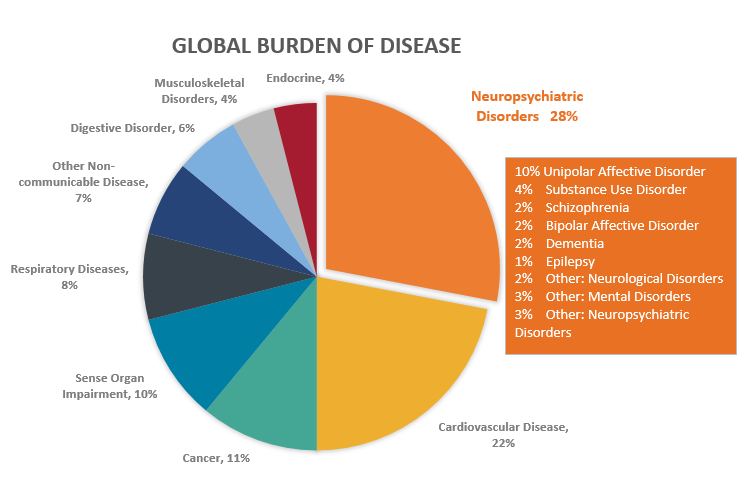
The updated study highlights that opioids continue to contribute significantly to the mortality component of the disease burden, particularly in regions that have experienced a surge in synthetic opioid availability. Meanwhile, the burden associated with cannabis and cocaine remains complex, often manifesting more through long-term chronic health conditions and socioeconomic impacts rather than immediate fatal overdose. This distinction is vital for clinicians who must tailor their approach to patient care based on the specific pharmacological and social risks associated with each substance.
Why Accurate Reporting Matters for Public Health Policy
Public health policy is only as effective as the data informing it. When researchers issue corrections for large-scale studies, it demonstrates a commitment to scientific integrity that is vital for maintaining public trust. For policymakers, these adjustments can mean the difference between funding an essential treatment program and missing a critical emerging trend. The GBD study, by providing a 34-year window of analysis, allows governments to see the long-term efficacy of their interventions, such as needle exchange programs, supervised consumption sites, and expanded access to medication-assisted treatment.
The European Monitoring Centre for Drugs and Drug Addiction (EMCDDA) notes that, in Europe, the data suggests that shifting trends in drug use necessitate agile policy responses. A study that covers 204 countries provides a global benchmark, but it also serves as a mirror for local authorities to evaluate their own progress. The corrected figures provide a more stable baseline for nations aiming to meet the Sustainable Development Goals related to health and well-being, specifically target 3.5, which aims to strengthen the prevention and treatment of substance abuse.
What Happens Next in Global Health Monitoring
The scientific community continues to refine how we measure the impact of substance use. Future iterations of the Global Burden of Disease study will likely integrate more real-time data from emergency departments and toxicology reports to supplement the long-term retrospective analysis. For those interested in the ongoing monitoring of these health trends, the IHME publishes periodic updates and interactive visualizations that allow for a deeper dive into regional data. These resources are essential for public health advocates who seek to translate complex epidemiological findings into actionable local policies.

As we look toward future reports, the focus will likely remain on the intersection of mental health and substance use. The integration of these two fields is a primary goal for global health organizations, as the dual-diagnosis approach has been shown to improve patient outcomes significantly. Readers are encouraged to monitor updates from the WHO and local health ministries for policy changes informed by this latest data. If you have questions about how these findings might impact public health initiatives in your region, I invite you to share your thoughts in the comments section below or join the conversation on our social media platforms.
- Aurora Therapeutics scraps lead gene-editing program and cuts staff 7 months after launch
- Does Sex Boost Testosterone and Athletic Performance? The Science Explained
- Phoenix Species Project to Fund Global Wildlife Recovery in 30 Countries (newsdirectory3.com)
- 3D DNA mapping in rare immune cells reveals new genes linked with autoimmune disease risk (archyde.com)