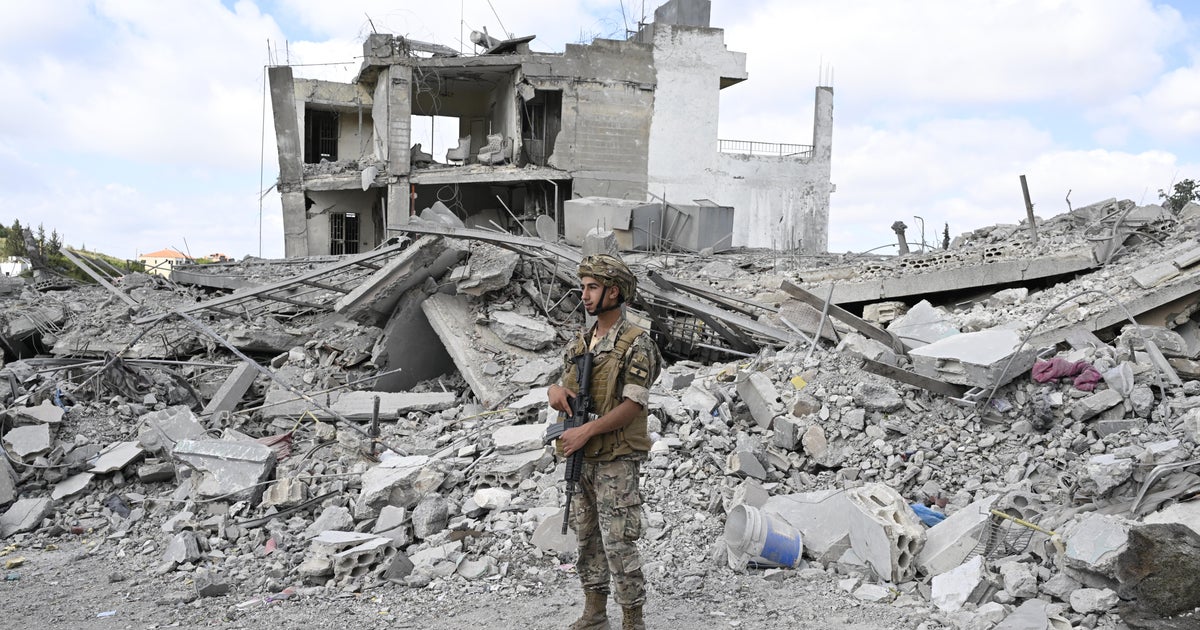
Iran’s senior officials have conditioned a potential diplomatic breakthrough regarding regional security on the complete withdrawal of Israeli forces from Lebanon, according to recent statements from Tehran. This demand emerges as a central point of friction in ongoing, indirect negotiations involving the United States, which seek to solidify a ceasefire and stabilize the volatile border region between Israel and Lebanon, as reported by Reuters.
The status of the ceasefire remains fragile, with multiple stakeholders—including the United States, Iran, and Hezbollah—offering differing interpretations of the terms governing the cessation of hostilities. While a truce has been announced, the practical implementation of troop movements and security guarantees remains subject to intense diplomatic scrutiny and public disagreement, according to the British Broadcasting Corporation.
The Diplomatic Impasse Over Troop Withdrawals
At the core of the current tension is the definition of “withdrawal” and the timeline for the departure of military units from southern Lebanon. Iranian officials have maintained that any broader regional de-escalation is contingent upon the full exit of Israeli forces, a stance that complicates U.S.-led mediation efforts. According to the Guardian, Tehran has framed this requirement as a non-negotiable element of their regional foreign policy, seeking to leverage the ceasefire to influence the post-conflict security architecture in Lebanon.

The U.S. position, as articulated by the Biden administration, has focused on a phased withdrawal intended to ensure that the Lebanese Armed Forces (LAF) and the United Nations Interim Force in Lebanon (UNIFIL) can effectively secure the area. This approach seeks to prevent a power vacuum that could be exploited by militant groups. However, conflicting reports regarding the exact sequence of these withdrawals have led to public disputes between the participating nations, as noted in reporting by Deutsche Welle.
Conflicting Interpretations of Ceasefire Terms
The ambiguity surrounding the ceasefire agreement has created a landscape where各方 (all parties) interpret the written terms to suit their own strategic objectives. While the United States has publicly declared the agreement as a path toward long-term stability, Iranian leadership has characterized the deal as a necessary response to military realities on the ground. This divergence in rhetoric underscores the difficulty of maintaining a durable peace in a region defined by decades of intermittent conflict.

According to the United Nations, the mandate for UNIFIL remains a critical component of the border security framework, yet its ability to enforce the current ceasefire depends heavily on the cooperation of both Israeli and Lebanese authorities. The lack of a unified interpretation of the agreement’s enforcement mechanisms continues to pose a risk to the fragile quiet currently observed in the region.
Impact on Regional Stability
The ongoing diplomatic sparring has significant implications for local populations in southern Lebanon and northern Israel, many of whom remain displaced due to the recent hostilities. The uncertainty regarding whether the ceasefire will hold or collapse under the weight of these conflicting demands prevents many residents from returning to their homes. As reported by the BBC, the international community is closely monitoring the situation, with aid agencies emphasizing that a lack of clarity on security timelines exacerbates the humanitarian crisis.
Financial analysts and regional experts suggest that the economic recovery of the region is inextricably linked to the success of these negotiations. Continued instability deters foreign investment and disrupts local trade, further compounding the financial strain caused by the conflict. The ability of the involved parties to reconcile their conflicting demands will determine the long-term viability of the current diplomatic efforts, according to analyses monitored by the World Bank regarding regional economic impacts.
What Happens Next
The next major checkpoint for the ceasefire will be the scheduled review of troop positions by international monitors, a process that is expected to continue throughout the coming weeks. Official updates regarding the status of the withdrawal will be provided by the U.S. Department of State and the United Nations Security Council as progress is assessed on the ground. Observers are encouraged to monitor official government press releases for verified information regarding the movement of forces and the adherence of all parties to the terms of the agreement.
We welcome your thoughts and perspectives on these developments. Please share this report with your network to ensure informed discussion on these critical international events.
- Jelly Roll Announces Indefinite Touring Hiatus Following Divorce from Bunnie Xo
- US and Japan Intervene to Stop Yen Crash: Impact on Global Currencies and the Korean Won
- Israel’s Foreign Ministry Strategy: Interview With Lior Haiat (world-today-news.com)
- Dow Hits Record High as US-Iran Tensions Ease and Amazon Tops $3 Trillion (time.news)