
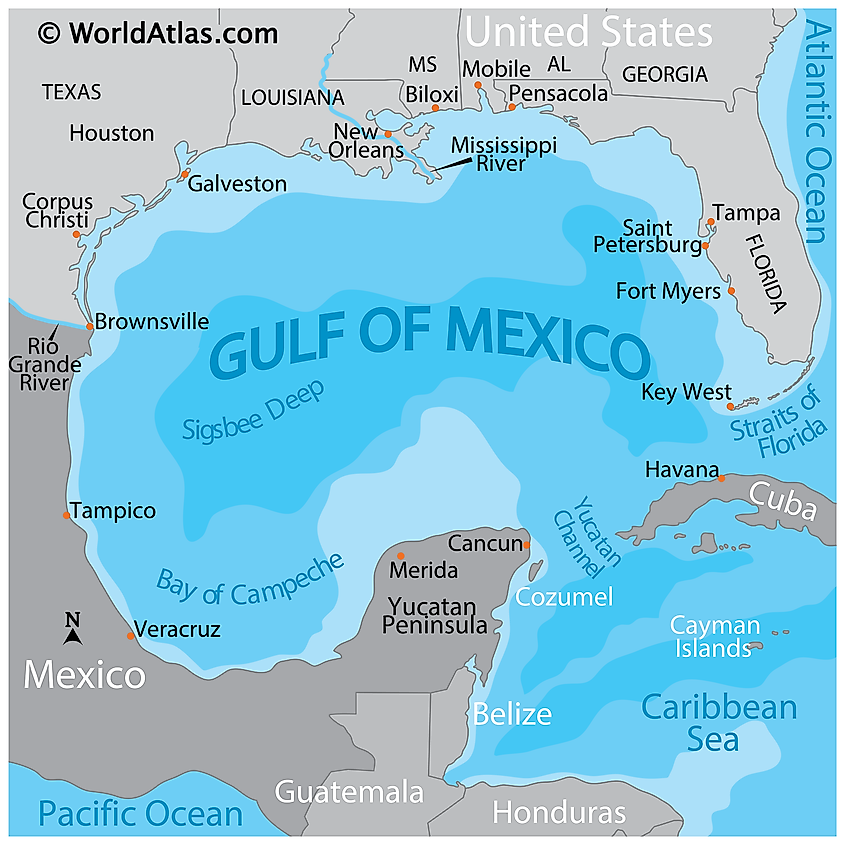
A potential tropical cyclone is currently forming in the Gulf of Mexico off the Texas coast, according to the National Hurricane Center (NHC). Meteorologists are monitoring the system for intensification into a tropical storm, which could bring heavy rainfall, strong winds, and storm surges to the Texas coastline in the coming days.
The system, currently classified as a potential tropical cyclone, is situated in an area of warm sea surface temperatures conducive to storm development. The NHC has issued advisories regarding the system’s movement, noting that its trajectory could pose significant risks to low-lying coastal communities and inland areas of Texas and potentially neighboring states.
Local emergency management officials have begun reviewing preparedness protocols as the system moves through the Gulf. While the exact path and intensity of the system remain subject to change, weather experts emphasize the importance of monitoring official updates from the National Oceanic and Atmospheric Administration (NOAA) and local authorities.
What is the current status of the system off the Texas coast?
The National Hurricane Center reports that the system is currently organizing within a broad area of low pressure. Forecasters are tracking the system’s ability to develop a closed circulation, which is a prerequisite for designation as a tropical depression or tropical storm. According to recent NHC advisories, the system is moving in a northwesterly direction, steered by prevailing atmospheric currents in the Gulf of Mexico.
A “potential tropical cyclone” is a designation used by the NHC when a system is expected to become a tropical cyclone within a specific timeframe and is capable of bringing tropical-storm-force winds to land even before it reaches full tropical status. This designation allows for earlier issuance of watches and warnings to protect life and property. The NHC has indicated that the environmental conditions, including low wind shear and high ocean heat content, are favorable for further intensification.
Current data from satellite imagery and reconnaissance aircraft indicate that the system’s center of circulation is becoming more defined. However, the NHC cautions that the system’s development is not guaranteed and depends on several evolving meteorological factors, including the interaction with landmasses and the strength of upper-level winds.
What impacts should Texas residents expect?
If the system intensifies into a tropical storm or hurricane, residents along the Texas coast may face several distinct hazards. The NHC identifies three primary areas of concern: heavy rainfall, storm surge, and tropical-force winds.

Heavy Rainfall and Flooding: One of the most significant threats from tropical systems in the Gulf region is extreme precipitation. The system’s slow movement could lead to prolonged rainfall periods, increasing the risk of flash flooding and river flooding in coastal counties and further inland. According to NOAA’s weather experts, even systems that do not make a direct landfall as a major hurricane can produce catastrophic flooding through heavy rain bands.
Storm Surge: The interaction between the system’s winds and the shallow waters of the Texas Gulf Coast can lead to significant storm surge. This phenomenon occurs when wind and low atmospheric pressure push a wall of water toward the shore. Official warnings suggest that surge levels could inundate low-lying roads, homes, and critical infrastructure, particularly in areas with minimal elevation.
Wind Damage: Tropical-storm-force winds can cause damage to trees, power lines, and unsecured structures. While wind damage is often most severe near the center of the storm, the outer bands can still produce gusts capable of causing localized power outages and disrupting transportation networks.
To understand the scale of these potential impacts, the following table compares the typical effects of different storm intensities:
| Storm Category | Primary Wind Threat | Primary Water Threat | Typical Impact Area |
|---|---|---|---|
| Tropical Depression | Light, gusty winds | Localized heavy rain | Wide-reaching, low-intensity |
| Tropical Storm | Sustained tropical-storm-force winds | Significant rainfall and surge | Directly impacted coastal zones |
| Hurricane (Cat 1-2) | Extensive wind damage | Major storm surge and flooding | Coastal and inland corridors |
| Hurricane (Cat 3+) | Severe structural damage | Catastrophic flooding and surge | Direct path of the eyewall |
Why does the Gulf of Mexico environment favor storm development?
The development of this potential tropical cyclone is being driven by high sea surface temperatures (SSTs) in the Gulf of Mexico. Tropical cyclones draw their energy from the evaporation of warm ocean water. When SSTs exceed 26.5 degrees Celsius (approximately 80 degrees Fahrenheit), the atmosphere receives a significant influx of moisture and heat, which fuels the storm’s engine.

Meteorologists note that the current thermal profile of the Gulf is particularly conducive to rapid intensification. The presence of high ocean heat content—meaning the warmth extends to deeper layers of the water—prevents the storm from churning up cooler water from below, which would otherwise weaken it. This characteristic was a major factor in the rapid intensification of several recent Gulf storms, including Hurricane Beryl and Hurricane Harvey.
Additionally, the current atmospheric environment shows relatively low vertical wind shear. Wind shear is the change in wind speed and direction at different altitudes. High shear can “tilt” a storm and strip away its structure, preventing development. The low shear currently observed in the Gulf allows the system to maintain a vertical structure, facilitating the organization of its core.
How can residents prepare for potential storm activity?
As the system approaches, emergency management agencies recommend that residents in the projected path take proactive steps to ensure their safety. The Federal Emergency Management Agency (FEMA) provides several guidelines for hurricane and tropical storm preparedness.
- Develop a Communication Plan: Ensure all family members know how to contact one another and where to meet if separated.
- Assemble an Emergency Kit: Include at least three days of water (one gallon per person per day), non-perishable food, a flashlight, extra batteries, a first-aid kit, and necessary medications.
- Secure Your Property: Clear gutters, secure outdoor furniture, and prepare shutters or plywood for windows to mitigate wind damage.
- Stay Informed: Monitor local news, NOAA Weather Radio, and official social media channels from local emergency management offices.
- Know Your Zone: Understand whether your home is located in a designated evacuation zone for storm surge or flooding.
Local authorities in Texas have emphasized that if an evacuation order is issued, residents should follow it immediately. Evacuation routes can become congested quickly, and staying behind in an evacuation zone can impede emergency response efforts during and after the storm.
For real-time safety guidance and to find local shelters, residents are encouraged to visit the official websites of their respective county emergency management departments or the American Red Cross.
The next official update regarding the system’s position and intensity is expected in the next scheduled advisory from the National Hurricane Center. Residents are advised to maintain a state of readiness as the storm’s trajectory becomes clearer.
What do you think about the current weather preparedness in your area? Share your thoughts and experiences in the comments below, and please share this article to help keep your community informed.