
Microsoft’s Xbox division is currently undergoing a significant internal restructuring as leadership attempts to address stagnant growth, a narrow 3% profit margin, and the operational challenges of managing a massive portfolio of game studios. In a recent internal communication, Xbox CEO Asha Sharma and Head of Xbox Game Studios Matt Booty acknowledged that the division’s current trajectory is unsustainable, signaling a period of difficult decision-making that may include further workforce reductions and a strategic pivot back toward platform exclusivity.
The message, which underscores a period of intense pressure for the gaming giant, arrives as Microsoft continues to grapple with the long-term integration of its major acquisitions, including ZeniMax Media and Activision Blizzard. While these purchases were initially positioned as ways to bolster content pipelines, leadership now concedes that the organization has become overextended. This shift in tone reflects a departure from the company’s previous messaging regarding the stability of its workforce and its multiplatform aspirations.
The Shift Toward Console Exclusivity
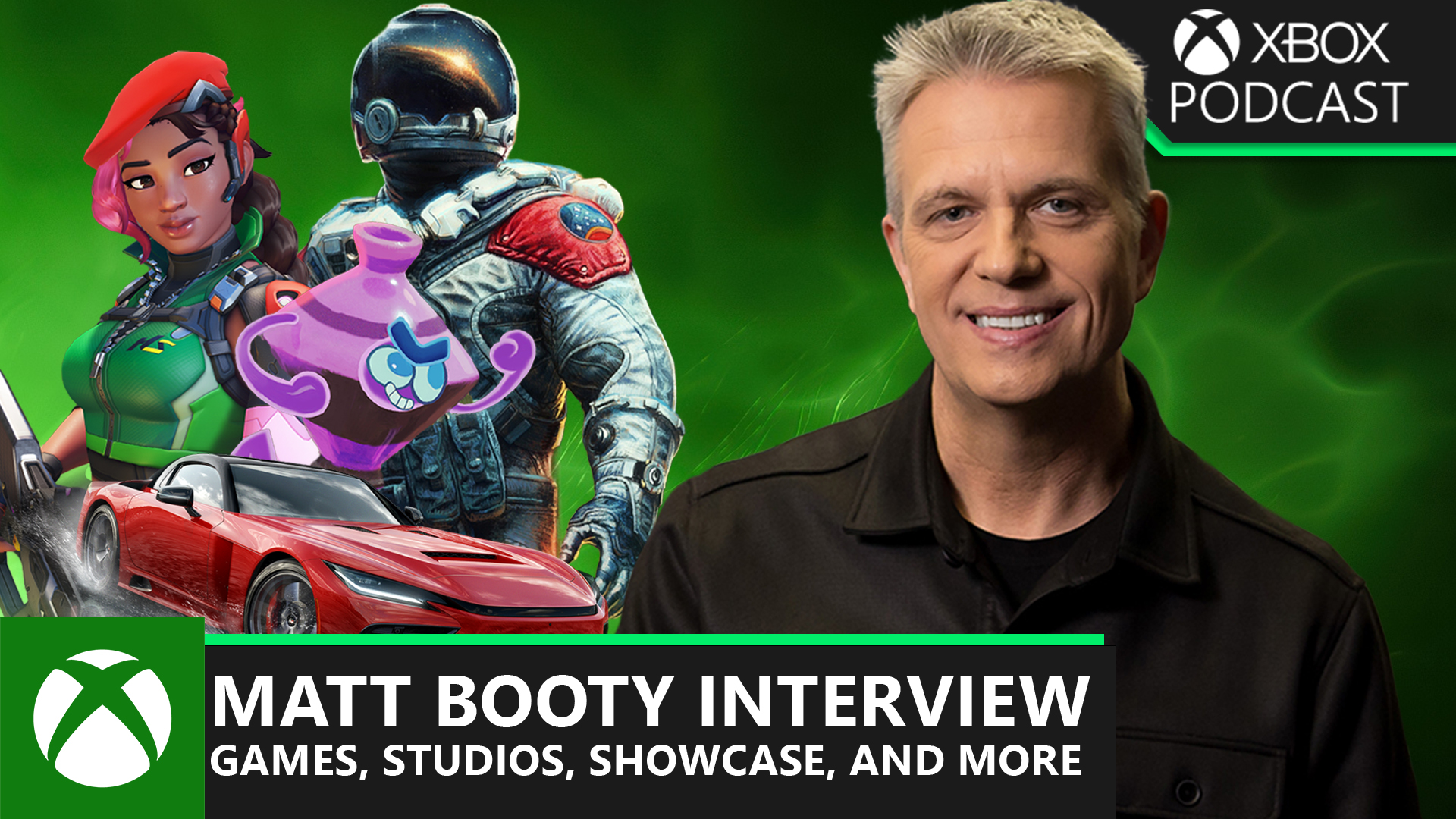
A primary component of the “hard reset” described by leadership involves a renewed focus on exclusive titles to drive hardware sales. After years of pursuing a strategy that prioritized accessibility across PC, cloud, and console, Microsoft is recalibrating its approach to software. Matt Booty, in recent comments, emphasized that the company intends to provide consumers with clear reasons to invest in the Xbox ecosystem, specifically citing upcoming titles like Gears of War: E-Day (scheduled for 2026) and Clockwork Revolution (2027) as key drivers for this renewed exclusivity strategy.
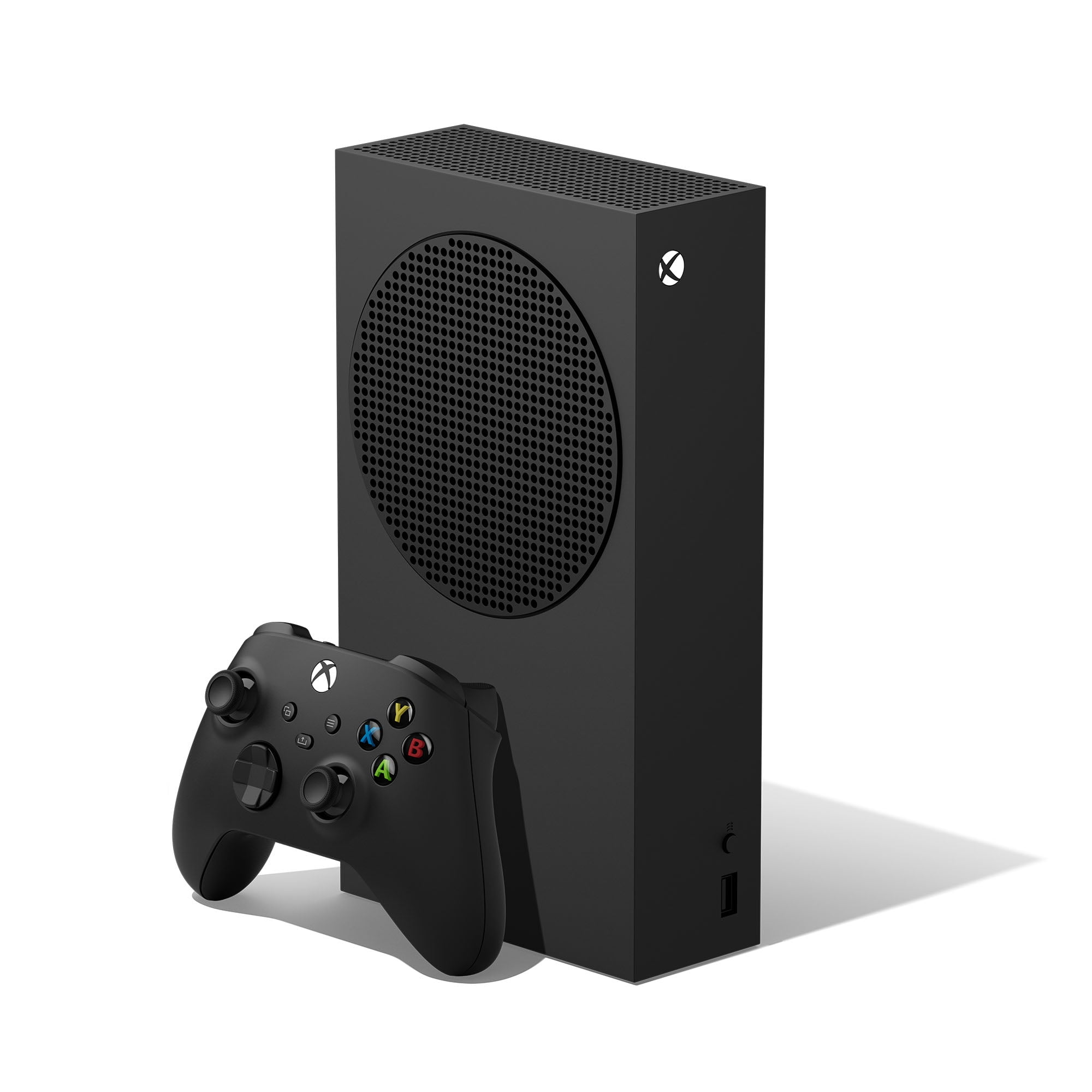
This pivot marks a notable change from the company’s recent efforts to publish major titles on competing platforms. However, Booty clarified that this change in direction would not apply retroactively to existing commitments. “Our big multiplayer games, live service games are going to continue to be multiplatform,” Booty stated. “If we’ve promised something to players already, we’re going to honor that promise.” This approach aims to balance the need for hardware-selling exclusives with the necessity of maintaining the player base for established live-service titles.
Operational Challenges and Studio Sprawl
The challenges facing the Xbox division are multifaceted, stemming from both macroeconomic headwinds and internal structural issues. Leadership has pointed to the rising costs of computer components and complex vendor relationships as significant barriers to profitability. These operational hurdles have led to a reported 3% margin, a figure that industry analysts often describe as thin for a division of this scale. The company is currently tasked with balancing a vast, newly expanded studio system against the reality of limited funding for individual projects.
The studio system grew rapidly following Microsoft’s acquisition of ZeniMax in 2021 and the $68.7 billion purchase of Activision Blizzard, which finalized in October 2023. At the time of these acquisitions, Microsoft executives argued that the mergers would foster competitive growth. However, the subsequent reality has been marked by a series of layoffs, including a significant reduction of 1,900 employees in the gaming division in January 2024, as reported by The Verge. These actions have drawn scrutiny from regulators, including the Federal Trade Commission (FTC), which had previously challenged the mergers in court.
Impact on Employees and Future Outlook
The uncertainty surrounding the “hard reset” has created a difficult environment for thousands of employees across Microsoft’s gaming studios. With leadership explicitly stating that “this cannot continue,” there is widespread speculation regarding the scope of future staff adjustments. The company’s recent history of workforce reductions—including cuts at ZeniMax in May 2024—has contributed to concerns that further efficiency-driven layoffs may be imminent as the division seeks to stabilize its finances.
As Microsoft works to finalize its five-year investment priorities, the focus remains on streamlining communication and improving speed-to-market. The company has not yet released a comprehensive roadmap for these structural changes, but stakeholders are looking to upcoming quarterly earnings calls and official company blog posts on Xbox Wire for further clarity. For many observers, the next major indicator of the division’s health will be how effectively it manages the launch of its upcoming exclusive titles and whether it can sustain its current studio footprint without further consolidation.
The company is expected to provide further updates on its operational strategy during its next investor relations briefing, where analysts will likely press for details on margin improvements and future acquisition integration. For ongoing coverage of these developments, readers are encouraged to monitor official Microsoft corporate filings and the World Today Journal technology section for updates as they become available.
Worth a look