
Health authorities in Bangladesh are currently managing a significant surge in measles cases, with reports indicating nearly 88,000 infections identified since the initial onset of the outbreak in March 2026. This escalation in disease transmission has prompted intensified public health interventions, including localized vaccination drives and enhanced surveillance protocols across affected districts, according to data monitored by the World Health Organization and regional health partners.
The measles outbreak, which began in the spring of 2026, has placed considerable strain on the national healthcare infrastructure. As a physician, I recognize that measles remains a highly contagious viral disease that poses a severe threat to unvaccinated populations, particularly children under the age of five. The rapid accumulation of nearly 88,000 cases underscores the critical importance of maintaining high immunization coverage to achieve herd immunity and prevent further spread, as noted in recent World Health Organization guidelines on measles elimination.
Drivers of the Measles Surge in Bangladesh
Public health experts point to several intersecting factors contributing to the persistence of the measles virus in the region. Disruptions in routine childhood immunization schedules, often exacerbated by logistical challenges and shifts in healthcare priorities, have left pockets of the population vulnerable. When vaccination coverage drops below the necessary threshold—typically 95% for two doses of the measles-containing vaccine—transmission chains become difficult to interrupt, according to reports from the UNICEF Bangladesh country office.
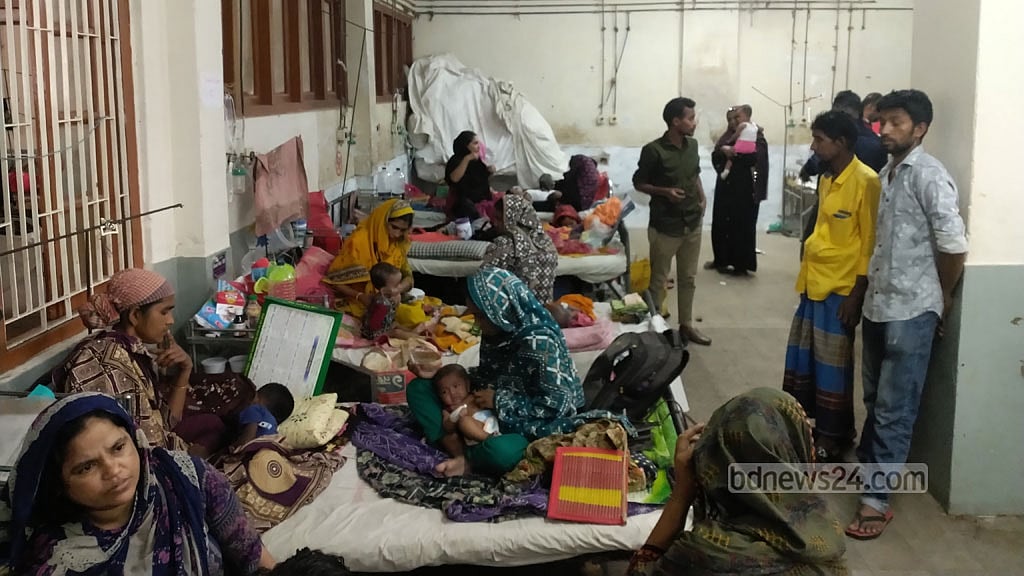
Environmental factors and population density also play a role in the velocity of the outbreak. In densely populated urban areas and displacement settings, the virus spreads efficiently through respiratory droplets. Health officials are currently prioritizing “catch-up” vaccination campaigns to reach children who may have missed their scheduled doses during the period of heightened transmission. The focus remains on rapid identification and isolation of cases to minimize exposure in clinical settings.
Clinical Response and Public Health Strategy
The clinical management of the outbreak involves a multi-pronged strategy. This includes the deployment of rapid response teams to conduct contact tracing and the distribution of Vitamin A supplementation, which is a standard of care recommended by the World Health Organization to reduce morbidity and mortality associated with measles complications. Physicians and frontline health workers have been instructed to monitor for common complications such as pneumonia, encephalitis, and severe dehydration.
For families and caregivers, the most effective protection remains the measles-containing vaccine. The current health strategy emphasizes the importance of verifying immunization records and ensuring that all children receive both required doses. Local health centers are being utilized as primary hubs for vaccine administration, and public health campaigns are being broadcasted to encourage parents to visit these facilities if their children have not been fully immunized.
Understanding Measles Transmission and Prevention
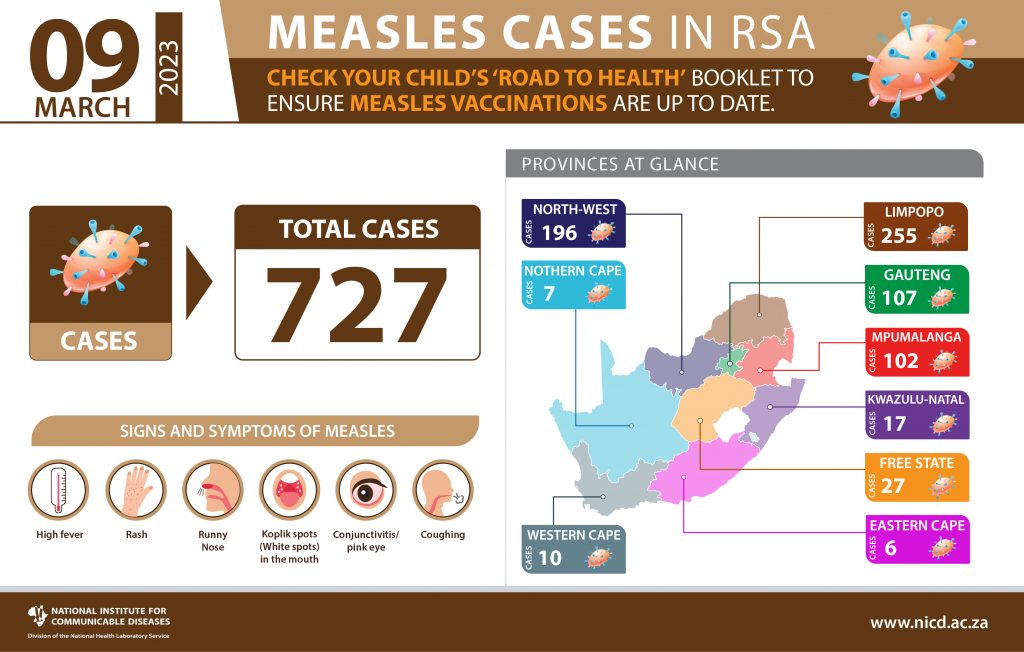
Measles is characterized by high fever, a characteristic rash, cough, runny nose, and red eyes. Because the virus can remain infectious in the air and on surfaces for up to two hours after an infected person has left an area, preventing outbreaks requires sustained, high-level vaccination coverage. The current situation in Bangladesh serves as a stark reminder of the global challenges in sustaining immunization gains, a topic frequently analyzed in The Lancet Infectious Diseases regarding global resurgence trends.
Moving forward, the effectiveness of the containment strategy will depend on the sustained availability of vaccine supplies and the ability of the healthcare system to reach marginalized or hard-to-access communities. International health bodies continue to monitor the daily case counts to determine if additional emergency resources are required. The next phase of the response will involve an assessment of seroprevalence in the affected districts to guide long-term vaccination policy and ensure that immunity gaps are closed permanently.
As this situation develops, residents are encouraged to consult official advisories from the Directorate General of Health Services (DGHS) in Bangladesh for the most recent updates on vaccination clinic locations and health safety guidelines. Continued vigilance and adherence to public health recommendations are essential for curbing the current outbreak and protecting the health of the community.
Related reading