
Rick Jackson Secures Georgia GOP Nomination After Runoff Victory Over Trump-Endorsed Burt Jones
Billionaire health executive Rick Jackson has defeated Burt Jones in the Republican runoff election for Governor of Georgia, securing the party’s nomination for the upcoming general election. The victory comes after a highly contested primary season that tested the influence of former President Donald Trump within the state’s Republican infrastructure.
The runoff results indicate a shift in the Georgia Republican electorate, as Jackson’s business-focused platform successfully countered the populist momentum behind Jones. While Jones campaigned heavily on the endorsement of Donald Trump, Jackson’s ability to consolidate support among a broad coalition of Republican voters has moved him into the position to lead the state’s executive branch.
Political analysts suggest this outcome represents a significant moment for the Republican Party in Georgia, a state that has become a central battleground in national politics. The tension between the traditional business-oriented wing of the party and the populist movement has been a defining feature of recent election cycles, and Jackson’s win provides a new direction for the state’s GOP leadership.
How Rick Jackson Secured the Runoff Victory
Jackson’s campaign focused on economic stability and healthcare management, leveraging his professional background as a health industry executive to appeal to moderate and business-aligned Republican voters. According to reports on the election results, his campaign prioritized issues such as state infrastructure, workforce development, and fiscal responsibility.
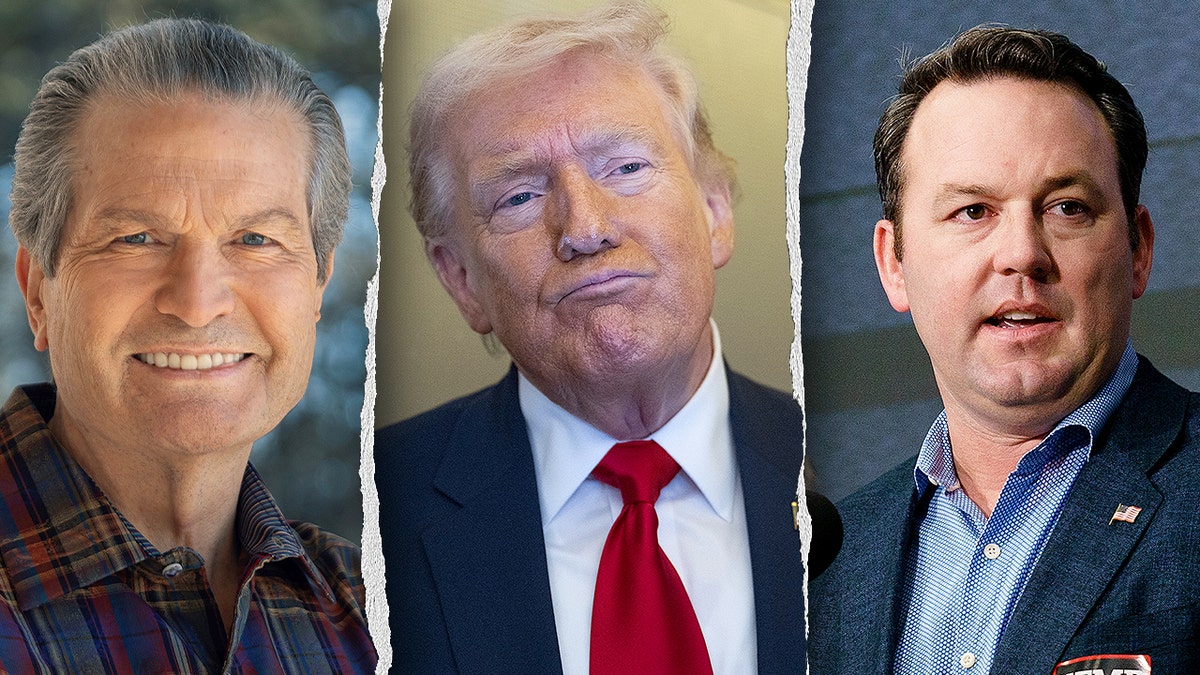
While Burt Jones relied on the political weight of the Trump endorsement to mobilize the party’s base, Jackson’s campaign appeared to target voters concerned with the state’s long-term economic trajectory. This strategy allowed Jackson to build a coalition that extended beyond the most ardent populist supporters, ultimately providing the margin necessary to win the runoff.
The runoff election served as a referendum on the direction of the Georgia Republican Party. The competition between a self-funded billionaire with deep ties to the corporate sector and a candidate backed by the former President highlighted a growing divide within the party’s membership regarding leadership styles and policy priorities.
Who is Rick Jackson and What is His Background?
Rick Jackson enters the gubernatorial race with significant experience in the private sector. As a billionaire health executive, his career has been defined by the management of large-scale healthcare organizations and navigating complex regulatory environments. This professional history served as the cornerstone of his campaign, where he positioned himself as a pragmatic leader capable of managing the state’s budget and bureaucracy.
Jackson’s entry into politics was marked by a focus on applying private-sector efficiency to government functions. His platform emphasized:
- Economic Growth: Reducing regulatory hurdles to encourage business investment in Georgia.
- Healthcare Reform: Utilizing his industry expertise to address rising costs and accessibility within the state.
- Fiscal Oversight: Implementing stricter budgetary controls to ensure long-term state solvency.
His ability to self-fund substantial portions of his campaign allowed him to maintain a consistent presence in media markets across the state, countering the grassroots mobilization efforts of the Jones campaign.
The Role of the Trump Endorsement in the Georgia Runoff
The endorsement of Donald Trump was a central element of Burt Jones’s strategy. Throughout the primary and runoff, Jones sought to align his candidacy with the former President’s populist agenda, aiming to consolidate the wing of the Republican Party that prioritizes cultural and political shifts driven by the MAGA movement.
Despite the high-profile backing, the endorsement did not translate into the decisive victory Jones’s campaign anticipated. The results suggest that while the Trump endorsement remains a powerful tool for mobilizing a specific segment of the electorate, it may face diminishing returns in Georgia if voters prioritize economic and administrative expertise over political alignment.
The failure of the endorsement to carry Jones through the runoff has prompted discussions among political strategists regarding the future of Trump’s influence in Southern swing states. The outcome indicates that the Georgia GOP may be moving toward a more diverse coalition that includes significant numbers of voters who are wary of extreme political polarization.
Comparing the Republican Runoff Candidates
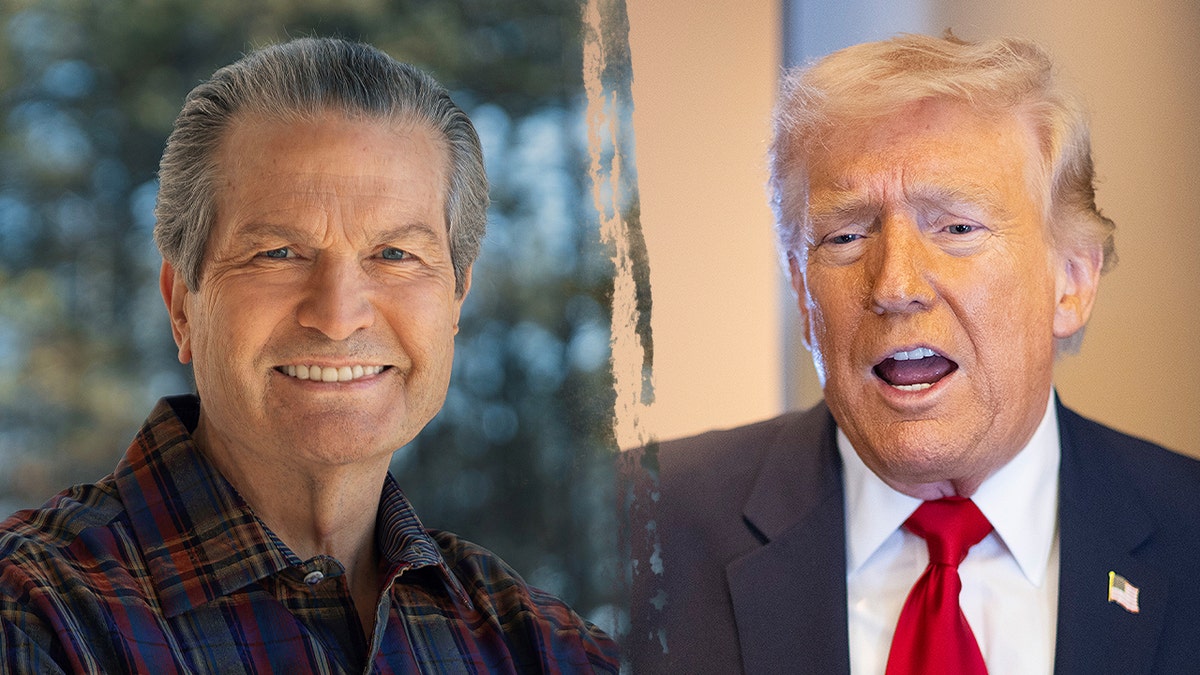
The runoff presented voters with two distinct visions for the future of Georgia. The following table outlines the primary differences between the two candidates based on their campaign platforms and professional backgrounds.
| Feature | Rick Jackson | Burt Jones |
|---|---|---|
| Primary Background | Health Executive / Billionaire | Political Official |
| Key Endorsements | Business Leaders / Independent GOP | Donald Trump |
| Campaign Focus | Economic Stability & Healthcare | Populist Reform & Party Alignment |
| Funding Model | Significant Self-Funding | Grassroots & Political Donors |
What Happens Next for Georgia Republicans?
With the Republican primary runoff concluded, the focus shifts to the general election. Rick Jackson will now face the Democratic nominee in a contest that will determine the leadership of Georgia for the next four years. The general election is expected to focus heavily on the state’s economic health, education funding, and the management of Georgia’s rapidly growing population.
The Republican Party must now transition from an internal battle over identity to a unified front against the Democratic opposition. Jackson’s ability to bridge the gap between the party’s traditionalists and its populist wing will be a critical factor in his success during the general election campaign.
Political observers will be watching to see if Jackson can maintain his momentum among the base that supported Jones, or if the party will remain divided heading into the final vote. The upcoming months will likely see an intensification of campaign spending and a heightened focus on the state’s key suburban and rural voting blocs.
The next major milestone in the election cycle will be the formal filing of candidate documentation for the general election and the commencement of the fall campaign season.
Please share your thoughts on this development in the comments below and share this article with your network to keep the conversation going.
Keep reading