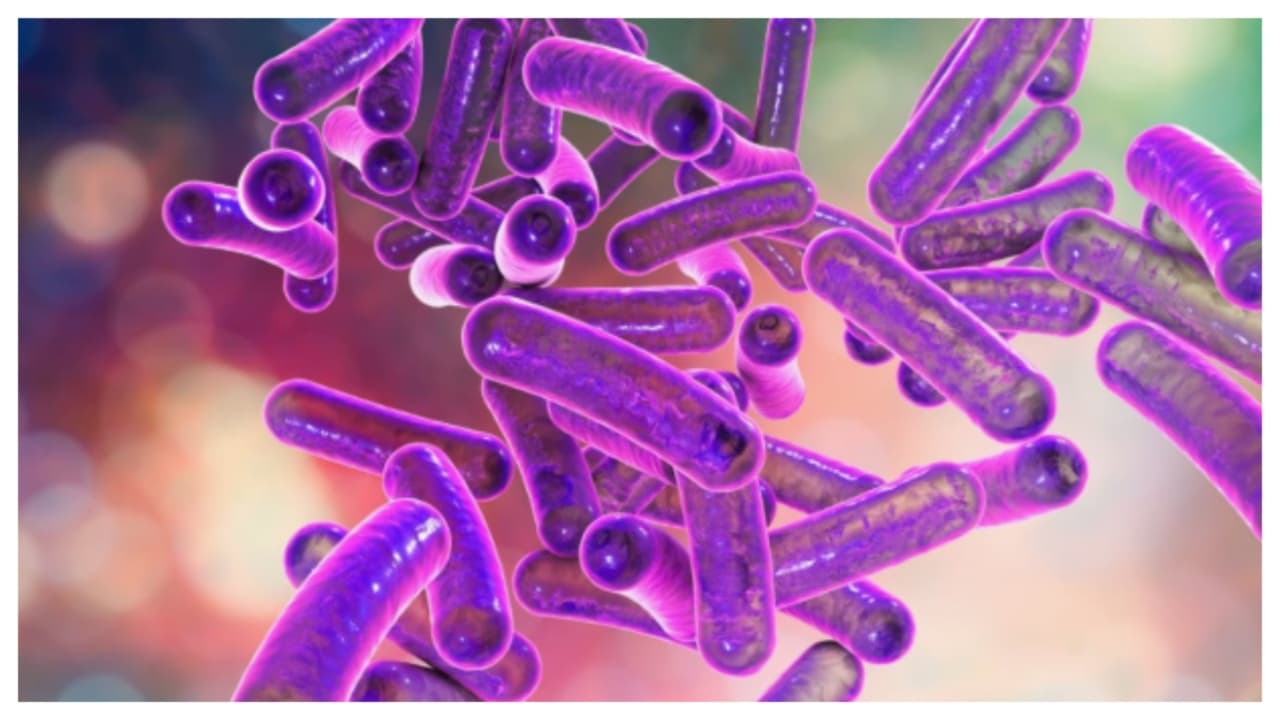
Kerala Health Authorities Issue Urgent Advisory Following Shigella Death and Rising Infection Rates
Kerala health officials have issued an urgent advisory for parents to keep children with fever at home following a recent death linked to Shigella infections in the state. As of recent reports, the total number of confirmed Shigella cases has reached 105, with health departments intensifying water quality inspections and monitoring several districts for further outbreaks.
The latest fatality was recorded in the Thrissur district, where a resident of Mapranam died due to the bacterial infection, according to reports from Asianet News Malayalam. This death marks a significant escalation in the state’s struggle against the waterborne pathogen, which has begun appearing in multiple clusters across different regions.
How is the Shigella outbreak affecting Kerala?
The Shigella outbreak has moved beyond isolated incidents, with health authorities tracking infections across several key districts. In addition to the fatality in Thrissur, recent data indicates that the infection is spreading among younger populations in other parts of the state. Specifically, two children in Kannur have tested positive for the disease, and two female students in Idukki have also had their infections confirmed, according to reporting from reporterlive.com and Asianet News Malayalam.
The Kerala Health Department has responded by implementing high-alert protocols in affected areas. In several districts, officials have initiated intensive water testing programs. These inspections involve checking the safety of drinking water at the household level to identify potential contamination sources that could be driving the spread of the bacteria. The department’s primary goal is to prevent the contamination of local water supplies, which is a common vector for Shigella transmission.
To mitigate the spread within educational environments, the Health Department has issued a specific directive to parents and guardians. The advisory states that any child exhibiting symptoms of fever should not be sent to school. This measure is intended to break the chain of transmission, as Shigella is highly contagious and can spread rapidly in crowded settings like classrooms.
What are the specific regions under alert?
While the entire state is under monitoring, certain districts have emerged as focal points for the current health crisis. The following areas have reported confirmed cases or are undergoing heightened surveillance:

- Thrissur: Reported a confirmed death in the Mapranam area, prompting immediate local investigations.
- Kannur: Confirmed cases among two children, signaling the impact on the pediatric population.
- Idukki: Confirmed cases among two female students, highlighting the risk to school-aged residents.
Local health officials in these regions are working to trace the contact history of the infected individuals to determine if the outbreak is linked to specific communal water sources or food supplies. The intensity of the response in these districts includes increased surveillance of local clinics and hospitals to ensure early detection of new cases.
The dual threat: Shigella and rising Dengue cases
The Shigella outbreak is occurring alongside a simultaneous rise in other infectious diseases, placing additional pressure on Kerala’s public health infrastructure. According to Manorama Online, dengue fever cases in the state have surpassed the 100-case mark. This dual presence of a waterborne bacterial infection (Shigella) and a mosquito-borne viral infection (Dengue) requires the health department to manage two distinct sets of prevention strategies simultaneously.
While the healthcare system manages these two rising threats, there has been a noted stabilization in other high-profile health concerns. Reports indicate a sense of relief regarding Nipah virus activity, which has not shown the same upward trend as Shigella or Dengue in recent monitoring periods. However, the combined rise in Shigella and Dengue has necessitated a more robust allocation of medical resources and public awareness campaigns.
Understanding Shigella: Symptoms and transmission
Shigella is a highly infectious bacterium that causes shigellosis, an intestinal infection. Understanding how the disease spreads and identifying its symptoms is critical for the public to follow the Health Department’s advisories effectively.
Transmission Methods:
Shigella is primarily transmitted through the fecal-oral route. This occurs when an individual consumes food or water contaminated with the bacteria. Common sources of contamination include:
- Unsafe drinking water or ice made from contaminated water.
- Contaminated food handled by an infected person who has not practiced proper hand hygiene.
- Direct contact with contaminated surfaces or through poor personal hygiene.
Common Symptoms:
Infection typically manifests with symptoms that can range from mild to severe. According to medical standards for bacterial gastroenteritis, common signs include:
- Severe abdominal cramps and pain.
- Frequent, often bloody, diarrhea.
- Fever and chills.
- Nausea and vomiting.
- Dehydration, which can be particularly dangerous for children and the elderly.
The Health Department emphasizes that because the bacteria requires a very low dose to cause infection, even small amounts of contamination can lead to widespread outbreaks, which explains the rapid rise to 105 cases reported in the state.
Key Takeaways for Residents:
- Practice Hand Hygiene: Wash hands thoroughly with soap and water after using the toilet and before handling food.
- Ensure Water Safety: Boil drinking water or use certified purification methods, especially in areas where water testing is ongoing.
- Monitor Children: If a child develops a fever or gastrointestinal distress, seek medical attention immediately and keep them home from school.
- Food Safety: Ensure all food is prepared and handled under strict hygienic conditions.
Health officials are expected to provide updated case counts and water testing results in their next daily briefing. Residents are encouraged to monitor official government health portals for the most recent district-specific advisories.
Do you have questions about the recent health advisories in your area? Share your thoughts or questions in the comments below, and please share this article to help keep your community informed.
Worth a look