
Respiratory Syncytial Virus (RSV) is a primary cause of bronchiolitis and pneumonia in infants under one year of age, particularly during seasonal transitions. The virus attacks the small airways in the lungs, potentially leading to severe respiratory distress that requires hospitalization. Prevention through new monoclonal antibodies and maternal vaccines has become a central focus for global health authorities like the Centers for Disease Control and Prevention (CDC).
As seasonal changes trigger shifts in respiratory virus circulation, pediatric healthcare providers are seeing increased instances of lower respiratory tract infections. For infants, the physiological impact of RSV can be more profound than in adults due to their smaller airway diameters and developing immune systems. When the virus infects these narrow passages, it causes inflammation and mucus buildup, which can significantly obstruct breathing.
Understanding the distinction between common respiratory infections and the specific risks associated with RSV is critical for early intervention. While many children recover from mild viral infections, the progression to bronchiolitis or pneumonia represents a significant clinical escalation that necessitates close monitoring and, frequently, medical stabilization.
What are the primary RSV risks in infants?
The primary risk for infants regarding Respiratory Syncytial Virus lies in the development of lower respiratory tract infections. Unlike the common cold, which typically affects the upper respiratory tract, RSV can migrate deep into the lungs. According to the Centers for Disease Control and Prevention (CDC), this descent into the lungs often manifests as bronchiolitis or pneumonia.
Bronchiolitis is the inflammation of the bronchioles—the smallest air passages in the lungs. In infants, these passages are extremely narrow. When RSV causes these tubes to swell and fill with mucus, the infant’s ability to move air in and out of the lungs is compromised. This obstruction can lead to wheezing, rapid breathing, and a noticeable struggle to inhale.
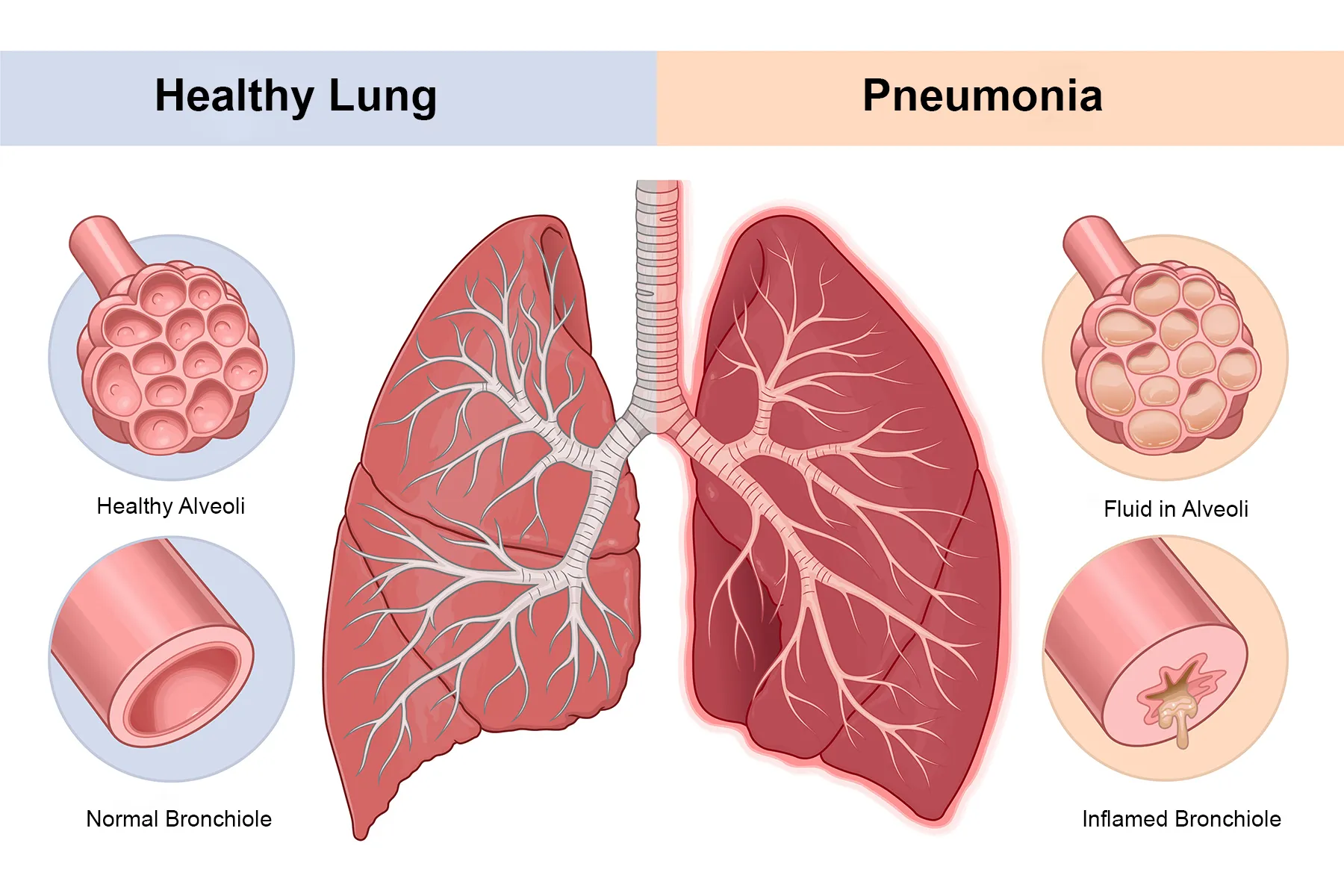
Pneumonia, another severe complication of RSV, involves an infection of the alveoli, or the tiny air sacs where oxygen exchange occurs. When these sacs become filled with fluid or pus due to the viral infection, the infant may experience decreased oxygen saturation levels. This condition is a leading cause of pediatric hospitalizations globally, particularly during the winter and spring months.
The risk is highest for specific vulnerable populations, including:
- Premature infants: Those born before 37 weeks of gestation often have less developed lung structures.
- Infants with congenital heart disease: Pre-existing cardiovascular conditions can make respiratory distress harder to manage.
- Children with chronic lung disease: Such as those born very preterm who require ongoing respiratory support.
- Immunocompromised infants: Those with weakened immune systems due to underlying medical conditions.
Recognizing the signs: RSV bronchiolitis versus pneumonia
Distinguishing between a standard viral infection and a more serious respiratory event like RSV-induced bronchiolitis or pneumonia requires careful observation of an infant’s breathing patterns and general behavior. While only a healthcare professional can provide a definitive diagnosis through clinical examination and sometimes imaging, certain symptoms serve as critical indicators.
Bronchiolitis symptoms often begin with mild upper respiratory signs, such as a runny nose and a slight cough. However, as the infection moves into the bronchioles, clinicians look for “increased work of breathing.” This includes nasal flaring (the nostrils widening with every breath) and retractions, where the skin pulls in around the ribs or the base of the throat during inhalation.
Pneumonia may present with similar initial symptoms but often includes a higher fever and more profound lethargy. If an infant is not feeding well or shows signs of dehydration, it may indicate that the respiratory effort is consuming too much energy, a common complication in severe RSV cases.
Medical professionals emphasize watching for these specific “red flag” symptoms in infants:
- Wheezing: A whistling sound during exhalation.
- Tachypnea: Rapid, shallow breathing that is faster than normal for the infant’s age.
- Cyanosis: A bluish tint to the lips, tongue, or fingernails, indicating insufficient oxygen.
- Apnea: Brief pauses in breathing, which is a medical emergency in newborns.
- Extreme irritability or unusual sleepiness: Difficulty waking the infant or an inability to soothe them.
Why seasonal changes affect RSV transmission
RSV typically follows a seasonal pattern, with peaks occurring during the late autumn, winter, and early spring in temperate climates. These seasonal shifts are driven by a combination of environmental factors and human behavior. As temperatures drop, people spend more time indoors in closer proximity, which facilitates the spread of respiratory droplets.
The virus is highly contagious and spreads through direct contact with infected secretions or by touching contaminated surfaces. Because RSV can survive on surfaces like crib rails, toys, and doorknobs for several hours, the risk of transmission in communal settings like daycare centers is elevated during peak months.
The “seasonal change” mentioned by health officials often refers to the transition into these high-transmission periods. During these windows, pediatric departments often see a surge in admissions. Public health agencies, including the World Health Organization (WHO), monitor these trends to allocate resources and issue timely advisories to parents and caregivers.
New developments in RSV prevention and protection
For decades, medical intervention for RSV was largely supportive—focusing on maintaining hydration and oxygen levels rather than curing the virus itself. However, recent medical innovations have introduced proactive ways to protect infants before they are exposed to the virus.
One of the most significant advancements is the introduction of Nirsevimab, marketed under the brand name Beyfortus. Unlike traditional vaccines that prompt the body to create its own antibodies, Nirsevimab is a long-acting monoclonal antibody. It provides “passive immunity” by delivering ready-made antibodies directly to the infant. According to clinical data reviewed by regulatory bodies, this can provide protection throughout the RSV season for infants and young children.
Another critical strategy involves maternal vaccination. The FDA has approved vaccines, such as Abrysvo, designed for use during pregnancy. When administered to pregnant individuals, these vaccines trigger an immune response that transfers protective antibodies to the fetus via the placenta. This provides the newborn with a layer of protection immediately following birth, during the most vulnerable first months of life.
Current prevention strategies focus on a multi-layered approach:
- Maternal Immunization: Protecting the infant before birth.
- Monoclonal Antibody Prophylaxis: Administering Nirsevimab to infants during their first RSV season.
- Hygiene Protocols: Frequent handwashing and disinfecting frequently touched surfaces.
- Limiting Exposure: Avoiding crowded indoor spaces during peak RSV months.
Comparison of RSV Protection Methods
| Method | Mechanism | Target Audience | Timing |
|---|---|---|---|
| Maternal Vaccine | Active immunity transferred via placenta | Pregnant individuals | During pregnancy (typically 32–36 weeks) |
| Monoclonal Antibody (Nirsevimab) | Passive immunity (direct antibody delivery) | Infants and young children | During the RSV season |
| Hygiene & Isolation | Reduction of viral transmission | General population/Caregivers | Year-round, especially in winter |
How to manage RSV at home and when to seek help
For infants with mild RSV symptoms, management often occurs at home under the guidance of a pediatrician. The primary goals are to keep the infant comfortable and prevent dehydration. Because infants often breathe through their noses, congestion can make feeding and sleeping difficult.

Pediatricians frequently recommend using saline drops or sprays to help clear nasal passages, especially before feedings. Ensuring the infant remains hydrated through frequent breastfeeding or formula feeding is paramount. However, home management is only appropriate for very mild cases where the infant is still active and feeding well.
It is vital to remember that an infant’s condition can deteriorate rapidly. If you notice any signs of respiratory distress—such as the “retractions” or “nasal flaring” mentioned earlier—you should contact a medical professional immediately. If an infant’s skin or lips appear blue, or if they are struggling significantly to breathe, emergency medical services should be contacted without delay.
Frequently Asked Questions about RSV
Is RSV the same as a common cold?
While the initial symptoms can be similar, RSV is more likely to progress to serious lower respiratory infections like bronchiolitis and pneumonia, especially in infants.
Can RSV be prevented with a standard vaccine?
There is no “standard” vaccine for infants in the same way there is for measles or polio. However, there are new monoclonal antibodies (Nirsevimab) for infants and vaccines for pregnant women to provide protection.
How long does RSV last?
Symptoms can vary, but the peak of the illness typically occurs around days 3 to 5, with symptoms potentially lasting for one to two weeks. Severe cases may require longer hospital stays.
Is RSV contagious?
Yes, it is highly contagious and spreads through respiratory droplets (coughing/sneezing) and contact with contaminated surfaces.
Health authorities continue to monitor RSV transmission rates and the efficacy of new preventative measures. Clinical guidance regarding the administration of Nirsevimab and maternal vaccines is updated regularly by national health departments as new data becomes available.
For further updates on pediatric respiratory health and seasonal virus advisories, please monitor official communications from your local health department or the CDC.
What do you think about the new advancements in RSV prevention? Share your thoughts or questions in the comments below and share this article to help keep other parents informed.
Worth a look