
The Federal Reserve has maintained the federal funds rate at its current level, opting to hold steady as policymakers navigate a complex landscape of persistent inflation and evolving economic pressures. The decision, confirmed by the Federal Open Market Committee (FOMC), reflects a cautious approach to monetary policy that prioritizes long-term price stability over immediate shifts in borrowing costs. Market participants are now closely monitoring the transition in leadership, specifically awaiting initial policy commentary from Kevin Warsh, following his recent nomination by President-elect Donald Trump to lead the central bank.
The decision to keep the target range for the federal funds rate at 4.50% to 4.75% aligns with broader expectations among financial analysts who anticipated a pause in rate cuts. This move underscores the Federal Reserve’s commitment to its dual mandate of promoting maximum employment and stable prices, even as the institution faces heightened scrutiny regarding its independence and future trajectory under a new administration. For investors, the focus has shifted from the immediate rate decision to the potential for a strategic pivot as the leadership transition approaches.
Understanding the Current Policy Stance
The Federal Reserve’s decision to leave interest rates unchanged serves as a signal that officials remain concerned about the pace of disinflation. According to the latest statement from the FOMC, current economic data does not yet provide sufficient confidence that inflation is moving sustainably toward the 2% target. By keeping rates in restrictive territory, the central bank aims to dampen economic activity enough to curb price pressures without triggering an unnecessary contraction.
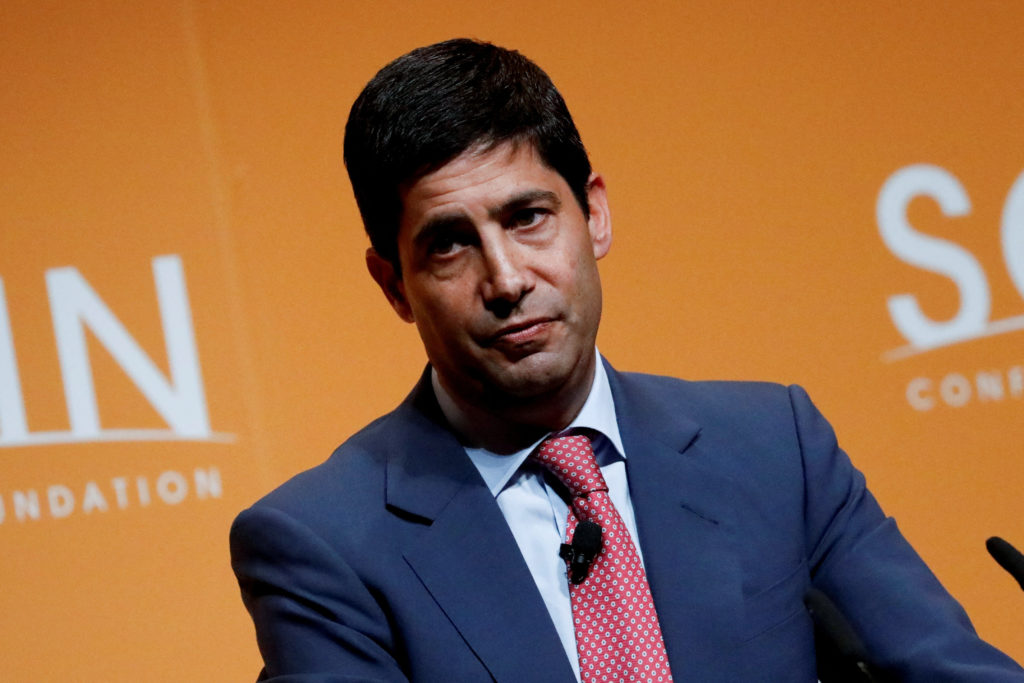
This pause is particularly significant given the political backdrop. President-elect Trump has frequently pressured the central bank to lower interest rates to stimulate growth, a stance that creates a friction point between executive expectations and the Federal Reserve’s statutory independence. By maintaining the status quo, the committee has effectively signaled that its policy decisions remain data-dependent rather than responsive to political directives.
The Transition to New Leadership
Market attention is now firmly fixed on Kevin Warsh, the former Fed governor nominated by President-elect Trump to succeed Jerome Powell. Analysts are parsing Warsh’s past writings and public remarks to gauge how his tenure might reshape the Federal Reserve’s approach to monetary policy. The primary question for global markets is whether Warsh will favor a more aggressive stance on deregulation or a distinct change in the central bank’s inflation-targeting framework.
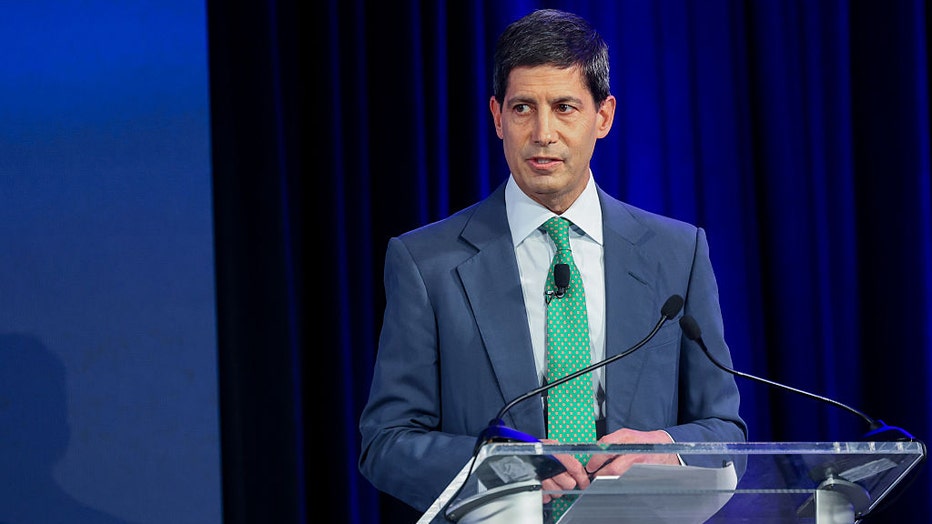
Wall Street has responded to the news with tempered optimism. Equity markets opened slightly higher following the announcement, as investors welcomed the removal of uncertainty regarding the immediate rate path. However, trading volume remains lean as institutional investors wait for more concrete policy signals from the incoming leadership team. The lack of explicit guidance on future rate cuts has left many analysts divided on whether the Fed will initiate a reduction in the first quarter of the coming year.
Why the Market is Waiting for Warsh
The anticipation surrounding Kevin Warsh is rooted in his reputation for favoring a more transparent and rules-based monetary policy. Unlike the current committee, which has relied heavily on the “dot plot” and forward guidance to manage market expectations, observers suggest Warsh may advocate for a different model of communication. According to financial reporting from the Financial Times, his appointment is viewed by many as a potential effort to align the central bank’s operations more closely with the incoming administration’s economic agenda.
The impact of this transition is not limited to domestic markets. As the global reserve currency, the U.S. dollar’s strength is intrinsically tied to the Fed’s interest rate policy. International investors are closely watching these developments to determine how shifts in U.S. policy might affect emerging market debt and global capital flows. The International Monetary Fund has previously noted that divergences in monetary policy between major central banks can lead to increased volatility in exchange rates, making the upcoming commentary from the new leadership critical for global financial stability.
What Happens Next
The next formal update for investors will come during the subsequent FOMC meeting, where the committee will release its updated Summary of Economic Projections. In the interim, market participants will be looking for any public appearances or official testimony from the leadership transition team to clarify the path forward. The central bank has not yet provided a specific date for the first policy briefing under the new administration, but analysts expect further details to emerge following the official confirmation process in the Senate.

Investors are encouraged to monitor the official Federal Reserve press room for any unscheduled statements or policy updates. As the financial landscape continues to evolve, maintaining a focus on core inflation metrics and employment reports will remain the most reliable method for assessing the Federal Reserve’s next move. We will continue to provide updates as new information becomes available; please share your thoughts or questions in the comments section below.