
The proposed Anti-Weaponization Fund, a $1.776 billion initiative intended to reorganize federal law enforcement, has faced significant legislative and judicial obstacles that effectively stalled its implementation. According to official budget documentation and reports from the Congressional Budget Office, the plan encountered immediate resistance from federal courts and skeptical members of the Senate, raising fundamental questions regarding the scope of executive authority over Department of Justice (DOJ) operations and the allocation of public funds.
The initiative, which took its name from the 1776 founding year of the United States, was presented as a mechanism to address what proponents termed “government overreach” within the federal bureaucracy. However, the legal framework required to authorize such a massive transfer of resources requires explicit congressional approval, which has yet to materialize. As of the current fiscal period, the Department of Justice budget remains governed by existing appropriations acts, leaving the proposed fund without a legal mandate or a verified funding stream.
Legislative Hurdles and Congressional Oversight
The primary barrier to the Anti-Weaponization Fund is the constitutional requirement that all federal spending must be approved by Congress. Under Article I, Section 9 of the U.S. Constitution, “No Money shall be drawn from the Treasury, but in Consequence of Appropriations made by Law.” Because the fund was proposed as an executive-led initiative rather than a legislated program, it lacked the necessary statutory backing to proceed.
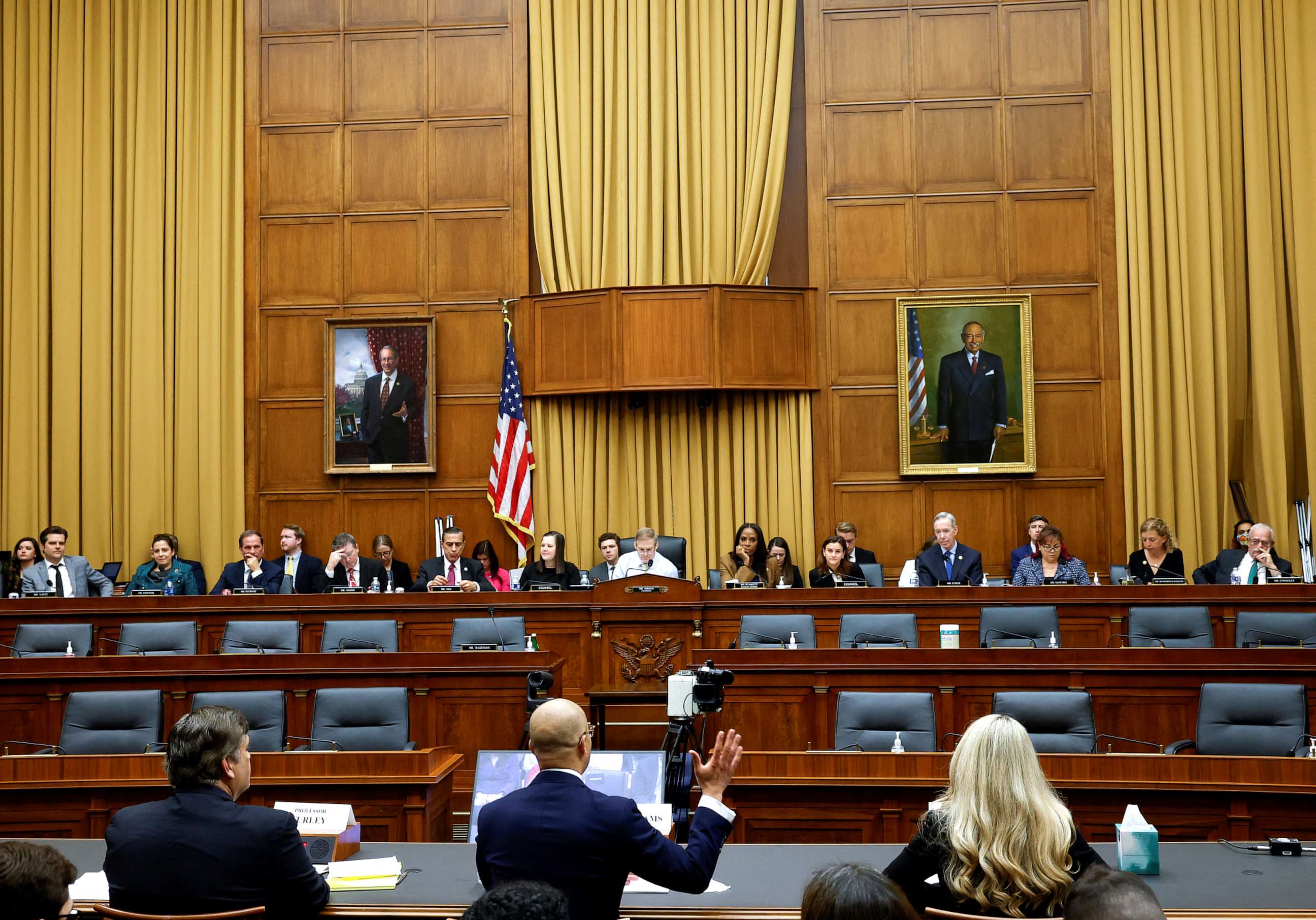
Republican senators, who hold significant influence over the Senate Appropriations Committee, expressed concerns regarding the lack of specificity in how the funds would be utilized. According to transcripts from Senate Appropriations Committee hearings, lawmakers questioned whether the fund would bypass traditional oversight channels. Without a clear legislative roadmap, the proposal failed to gain the momentum required to move through the subcommittee process, effectively keeping the fund in a state of legislative limbo.
Judicial Scrutiny and Constitutional Limits
Beyond the legislative branch, the project faced scrutiny from the federal judiciary regarding the separation of powers. Legal scholars and civil liberty groups have argued that creating a fund specifically designed to “remedy” perceived bias within the DOJ could infringe upon the independence of federal prosecutors and investigative agencies.

Federal courts have historically been wary of executive actions that attempt to unilaterally restructure the internal operations of the Department of Justice. As noted in the United States Courts oversight guidelines, the judiciary maintains a role in ensuring that administrative actions comply with established law. Any attempt to use the fund to circumvent existing civil service protections or internal DOJ policies would likely trigger immediate litigation, further complicating the viability of the proposal.
Financial Viability and Transparency Concerns
Questions regarding the fiscal integrity of the $1.776 billion figure have also surfaced. Independent auditors and government watchdogs have pointed to the absence of a detailed prospectus detailing how the money would be allocated. In federal procurement and budgeting, transparency is a legal prerequisite for the release of large-scale funding. The Government Accountability Office (GAO) serves as the primary watchdog for federal spending, and any initiative of this magnitude would require a rigorous assessment of its potential impact on existing federal programs.
Without a clear accounting of the intended beneficiaries and the specific administrative goals, the project has struggled to maintain support among moderate lawmakers. The uncertainty surrounding the fund’s operational structure has led many observers to conclude that the initiative, in its current form, lacks the necessary infrastructure to survive the rigorous vetting process required for federal appropriations.
What Happens Next
The future of the Anti-Weaponization Fund remains uncertain. For the project to proceed, proponents would need to draft formal legislation, secure a sponsor in both the House and the Senate, and navigate the standard committee review process. As of the latest Congressional legislative tracker, there are no active bills that would provide the legal authorization for such an appropriation.
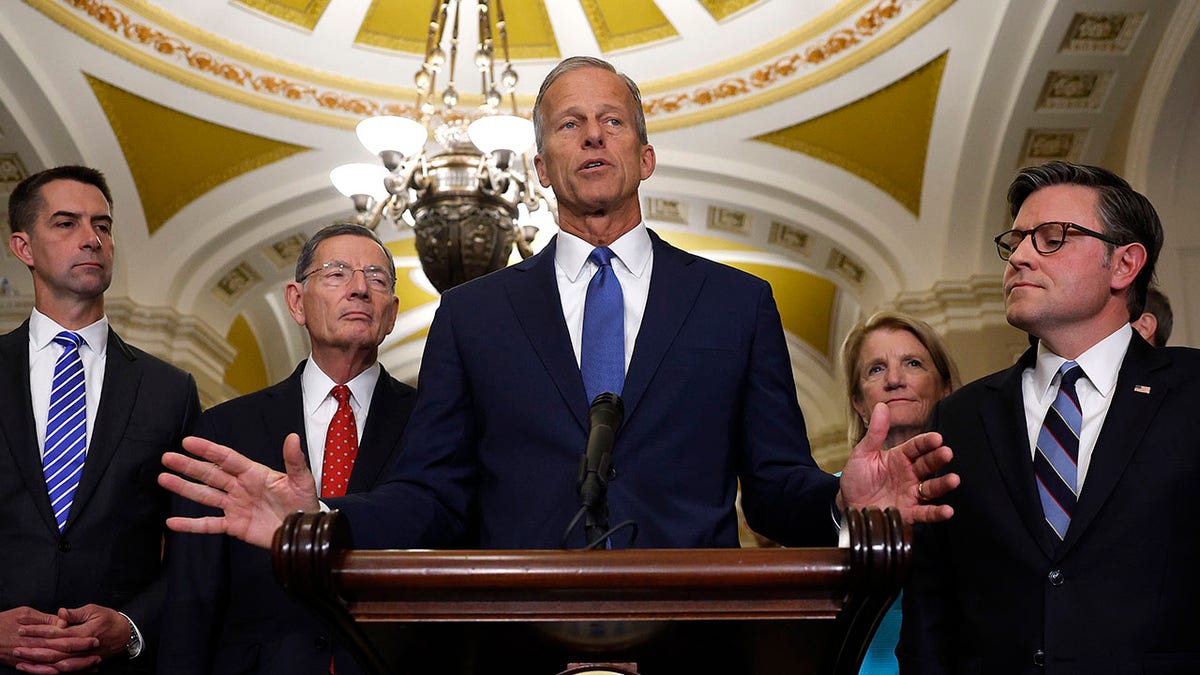
The next major checkpoint for any federal funding initiative will be the upcoming budget cycle, where the administration must present its fiscal priorities to Congress. Until such time as a formal bill is introduced and debated, the Anti-Weaponization Fund remains a theoretical proposal rather than a functioning government entity. Interested citizens can monitor the progress of federal spending bills and committee assignments through the official Congress.gov portal for the most accurate and up-to-date information.
We invite our readers to share their perspectives on the role of oversight in federal spending in the comments section below. For ongoing coverage of developments regarding DOJ funding and administrative policy, please continue to follow our reports here at World Today Journal.
Keep reading