
Australian Prime Minister Anthony Albanese has announced significant changes to the capital gains tax (CGT) framework for small businesses, while simultaneously ruling out the introduction of a so-called “death tax.” The policy adjustments, confirmed in a government briefing this week, aim to provide tax relief for small enterprises as the administration faces intense political scrutiny regarding its economic agenda and parliamentary conduct.
The announcement follows a period of heightened tension in Canberra, where lawmakers have clashed over parliamentary standards and the role of third-party advocacy groups. The federal government’s move to clarify its tax position is viewed by analysts as a strategic effort to stabilize its base while countering criticism from the opposition and crossbench senators, according to reports from the Australian Broadcasting Corporation.
Capital Gains Tax Adjustments for Small Business
The federal government is moving to simplify small business access to capital gains tax concessions, confirming that the current policy framework will not include any new inheritance or “death taxes.” Prime Minister Albanese addressed concerns from the business community by affirming that the government’s focus remains on productivity rather than increasing the tax burden on estates, as noted by the Australian Treasury.
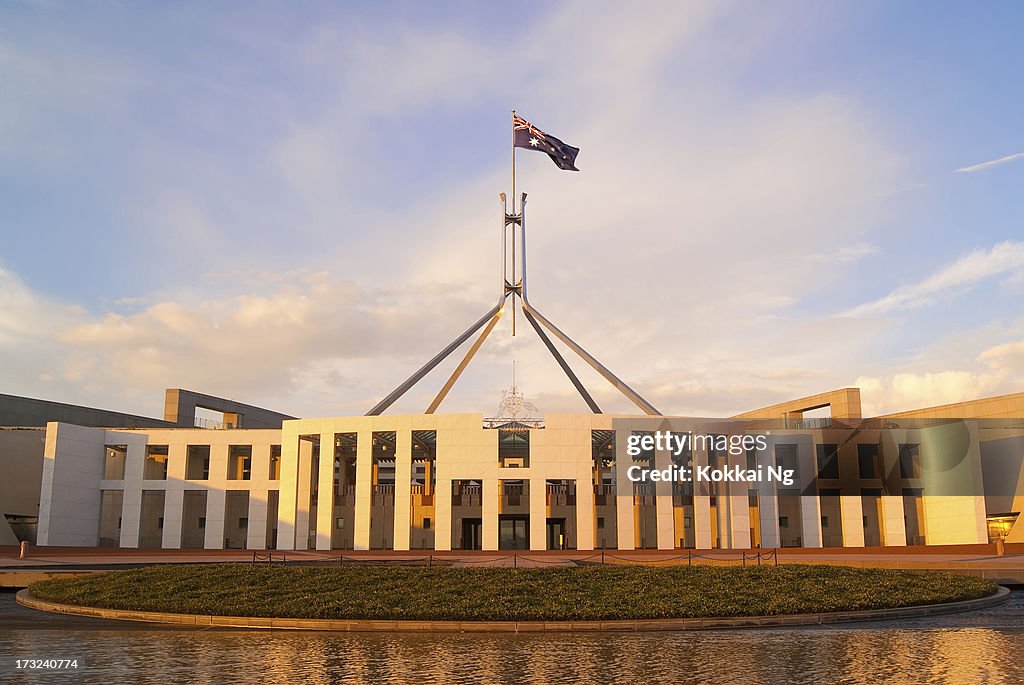
Under the existing Small Business CGT Concessions, eligible entities can reduce or defer tax on gains from the sale of active assets. The government’s recent commitment to maintain these thresholds provides a degree of certainty for business owners who have expressed concerns over potential changes to tax treatment during asset transfers. These concessions are designed to support long-term investment by allowing businesses to reinvest proceeds back into their operations without immediate tax penalties.
Political Fallout at the National Press Club
Beyond fiscal policy, the atmosphere in Canberra has been dominated by debates over political decorum and the influence of advocacy organizations. Recent events at the National Press Club saw politicians from across the aisle condemn comments made by One Nation leader Pauline Hanson. The controversy centered on remarks regarding multiculturalism and immigration, which drew immediate rebuke from parliamentary colleagues who characterized the rhetoric as inflammatory, according to coverage by The Guardian Australia.
The tension was exacerbated by a protest stunt organized by the activist group GetUp. The group’s presence at the Press Club, intended to highlight their policy priorities, was criticized by several members of Parliament for disrupting the orderly conduct of public discourse. While advocacy groups maintain that such actions are necessary to force public debate on climate and social policies, the incident has prompted a broader discussion among party leaders about the boundaries of political activism within institutional settings.
Understanding the Current Legislative Climate
The convergence of tax policy shifts and intense parliamentary rhetoric reflects a broader struggle for control over the national narrative. For the Albanese government, the priority is to maintain economic credibility while navigating a fragmented crossbench. The decision to rule out a “death tax” serves as a preemptive strike against opposition narratives that have historically sought to frame labor policies as overly interventionist, as analyzed by various Australian Financial Review political correspondents.
The following table outlines the key areas of concern currently impacting federal policy discussions:
| Policy Area | Government Stance | Opposition/Critic Response |
|---|---|---|
| Small Business CGT | Maintain and simplify concessions | Seeking further reduction in compliance costs |
| Inheritance/Death Tax | Explicitly rejected | Claims of hidden tax agendas |
| Parliamentary Conduct | Calling for respectful debate | Criticizing “stunts” and inflammatory rhetoric |
What Happens Next
The government is expected to formalize the details of the small business tax adjustments in the upcoming federal budget cycle. Meanwhile, the parliamentary Privileges Committee is reportedly reviewing the incidents at the National Press Club to determine whether any breaches of decorum warrant formal sanctions. Observers are also monitoring the Senate, where the government will need to negotiate with crossbenchers to pass its broader economic legislation.

Official updates regarding the legislative schedule are published regularly on the Parliament of Australia website. As the political calendar moves toward the next sitting period, the focus will likely remain on whether the government can successfully pivot from these recent controversies to a sustained policy-driven agenda. Readers are encouraged to share their thoughts on the proposed tax changes and the current state of political discourse in the comments section below.
Keep reading
- Spain-Italy Border Dispute Escalates: Madrid Issues Ultimatum and Imposes Counter-Controls Over Ceuta
- Florida City Razorbacks Enjoy Special Event with Fundación Dr. Simi at Nu Stadium
- Call the Midwife: Christmas Special Updates and Prequel First Look (newsdirectory3.com)
- Ferrari F1 Team Partnership: HP, Shell, and UniCredit Updates (archynewsy.com)