
Nvidia has launched a limited-time integration of its Avatar Cloud Engine (ACE) technology into PlayerUnknown’s Battlegrounds (PUBG), allowing players to experience an AI-driven squadmate within a specialized game mode. The feature, dubbed “Ally Duo Mode,” is available to players using Nvidia graphics hardware with at least 8GB of VRAM and remains accessible through June 30, according to official company announcements from Nvidia.
This implementation marks a shift in how non-player characters (NPCs) function within gaming environments. Unlike traditional scripted AI, which relies on pre-determined paths and limited dialogue trees, Nvidia ACE utilizes small language models (SLMs) to process and synthesize speech in real-time. The technology is designed to enable more fluid, responsive interactions between players and their digital counterparts, aiming to reduce the immersion-breaking limitations often associated with static character behavior.
The “Ally Duo Mode” introduces a character named “Ella,” who provides tactical feedback and environmental alerts during gameplay. While the demonstration highlights the technical capabilities of running multiple language models locally on a GPU, Nvidia notes that the feature is intended as a technology showcase rather than a permanent competitive addition to the battle royale title. Players are not expected to gain a mechanical advantage through this interaction, as the primary focus remains on the synthesis of natural language and dynamic environmental awareness.
How Nvidia ACE Functions in Real-Time Environments
At the core of the Nvidia ACE implementation is the use of localized small language models (SLMs) designed to operate within the constraints of consumer-grade hardware. By processing speech analysis and synthesis on the GPU, the system aims to minimize latency, which is essential for maintaining the pacing of a high-stakes title like PUBG. According to technical documentation provided by Nvidia, the engine leverages these models to interpret player input and generate context-aware responses without relying on cloud-based processing for every interaction.
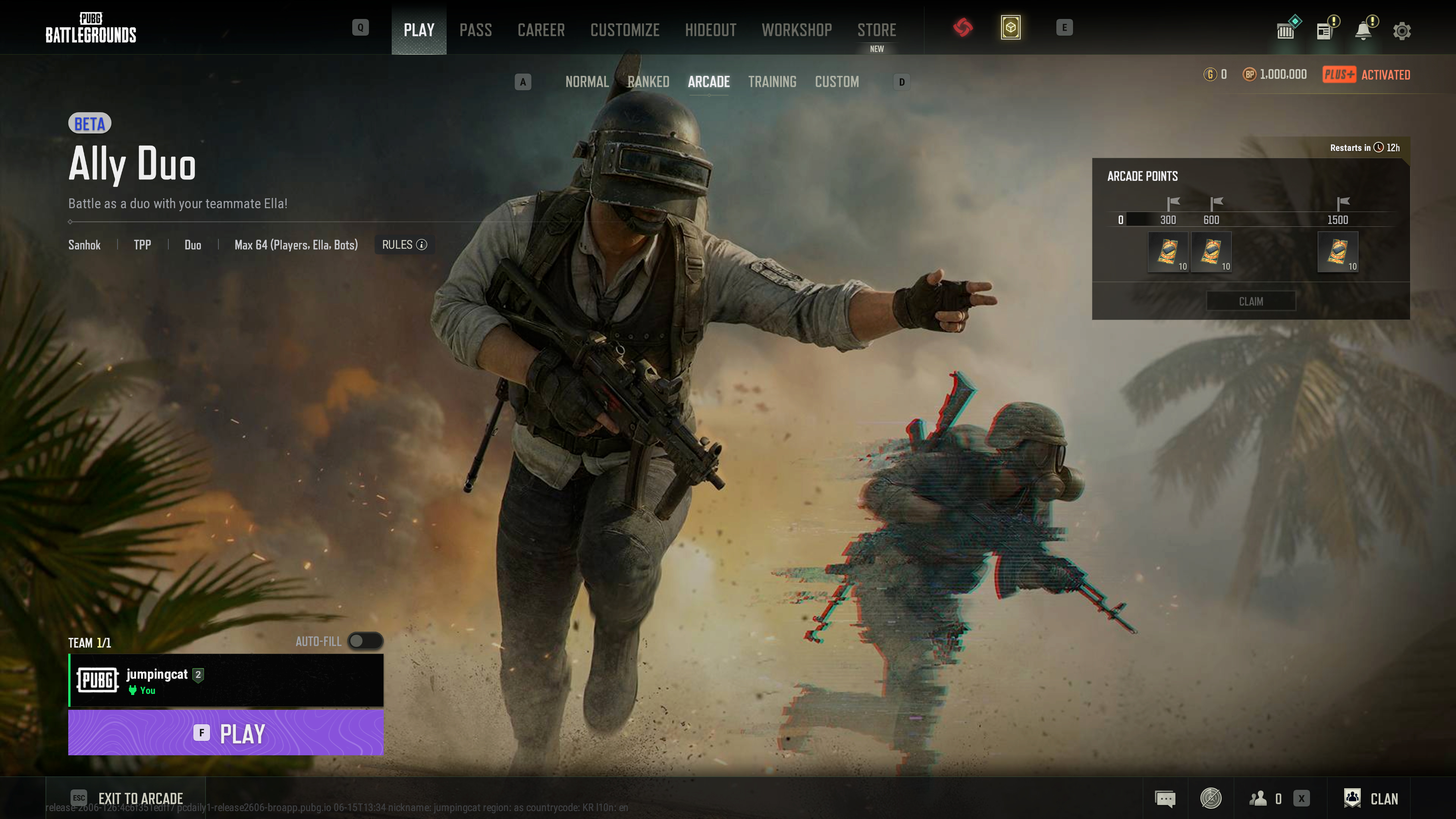
The challenge for developers has historically been the “uncanny valley” and the rigidity of scripted NPCs. By enabling an AI that can react to changing game states—such as identifying weapons or suggesting drop zones—Nvidia is attempting to bridge the gap between static game objects and interactive entities. While previous iterations of game AI were limited to combat state machines, this approach utilizes natural language processing to simulate a teammate’s communication style. The current demo serves as a proof of concept for how developers might integrate similar systems into larger, more complex open-world games in the future.
Technical Requirements and Availability
Access to the ACE demo is restricted by hardware specifications. To run the integration, users must possess an Nvidia graphics card equipped with 8GB of VRAM or more, a requirement necessitated by the memory footprint of the SLMs running in the background. This hardware gate ensures that the local processing of language models does not compromise the frame rates or overall performance of the game. The limited testing window, which concludes on June 30, provides developers with a controlled environment to gather data on how players interact with the AI squadmate under varying combat conditions.

The collaboration with Krafton, the publisher of PUBG, highlights the industry’s ongoing interest in integrating generative AI into existing service-based games. While the current implementation is limited to a specific mode and a single character, it reflects a broader trend of utilizing localized AI to enhance player engagement. Industry analysts often point to the potential for these systems to populate game worlds with more reactive inhabitants, though the scalability of such technology across hundreds of NPCs remains a significant hurdle for current hardware architectures.
The Future of AI-Driven Squadmates in Gaming
The integration of ACE into PUBG serves as a practical test for whether AI-driven NPCs can function effectively as teammates. In traditional battle royale games, hired or AI-controlled squadmates have often struggled with pathfinding, environment navigation, and situational awareness. By moving toward models that can synthesize speech and react to environmental cues, Nvidia aims to mitigate these common frustrations. However, the efficacy of these characters in competitive scenarios remains a point of debate among industry observers, as high-skill players often prioritize combat utility over conversational immersion.

For players curious about the evolution of these systems, the next checkpoint will likely be the release of developer-focused tools that allow for wider integration of ACE across different game engines. As of now, Nvidia has not announced plans to extend the “Ally Duo Mode” beyond the June 30 deadline, though the data gathered during this period is expected to inform future iterations of the technology. For those currently participating in the demo, engagement and feedback remain the primary channels for influencing how these AI tools are refined for broader gaming applications.
We encourage readers to share their experiences with the ACE-powered squadmate in the comments below. Have you found the AI interaction to be a meaningful addition to your gameplay, or does it primarily serve as a distraction in the heat of battle?
Worth a look