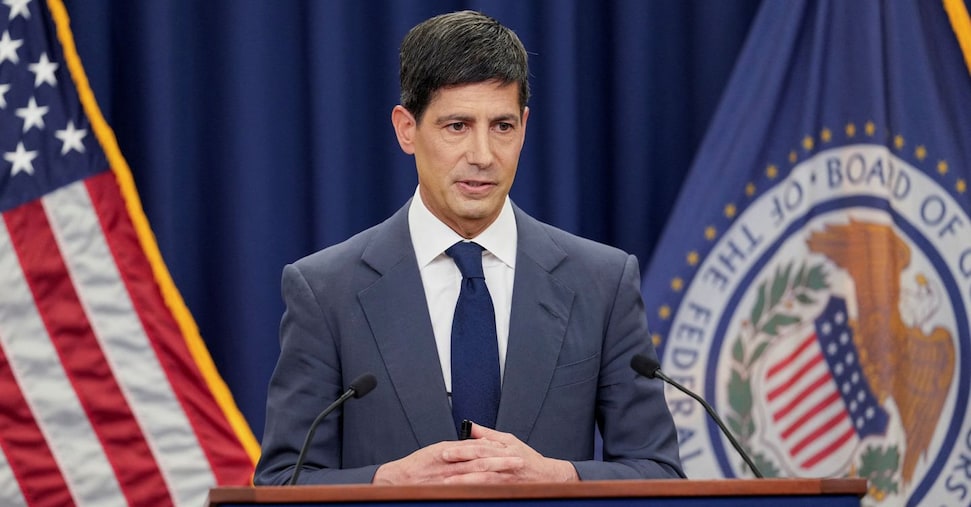
The United States Federal Reserve has maintained the federal funds rate in a target range of 3.50% to 3.75%, opting to hold borrowing costs steady as policymakers navigate persistent inflationary pressures. This decision, which aligns with broad market expectations, marks the first policy meeting featuring Kevin Warsh in his new capacity, as the central bank balances current economic data against a long-term outlook that suggests a potential tightening cycle by 2026. According to the Federal Open Market Committee (FOMC) official schedule, this pause reflects a cautious approach to monetary policy in an environment where core inflation remains above the Federal Reserve’s stated 2% target.
Following the announcement, financial markets reacted with volatility. The S&P 500 index declined by 1.2%, while the Nasdaq Composite fell by 1.3%, as investors digested both the decision to hold rates and the central bank’s updated economic projections, as reported by Reuters. The market sentiment appears driven by concerns that higher-for-longer interest rates may weigh on corporate earnings and consumer spending, particularly in the technology sector, which is highly sensitive to fluctuations in the cost of capital.
Policy Stability and the Inflation Outlook
The decision to keep the federal funds rate at 3.50%–3.75% was unanimous among voting members. The Federal Reserve’s rationale centers on the need to ensure that inflation continues a sustainable trajectory toward its 2% objective. Despite recent gains in employment data, the central bank’s latest summary of economic projections indicates a slight upward revision to its inflation forecast, signaling that the path back to price stability may be more protracted than previously anticipated, according to data released via the Federal Reserve’s official press portal. This shift in the inflation outlook has prompted analysts to recalibrate their expectations for future rate cuts.

For the average consumer and business owner, the current rate environment means that borrowing costs for mortgages, auto loans, and corporate debt remain at elevated levels compared to the period preceding the current cycle. The Federal Reserve’s commitment to maintaining these levels is designed to cool aggregate demand, thereby exerting downward pressure on price increases. As noted by the Bureau of Labor Statistics, persistent service-sector inflation remains a primary driver of the Federal Reserve’s cautious stance.
The Influence of New Leadership
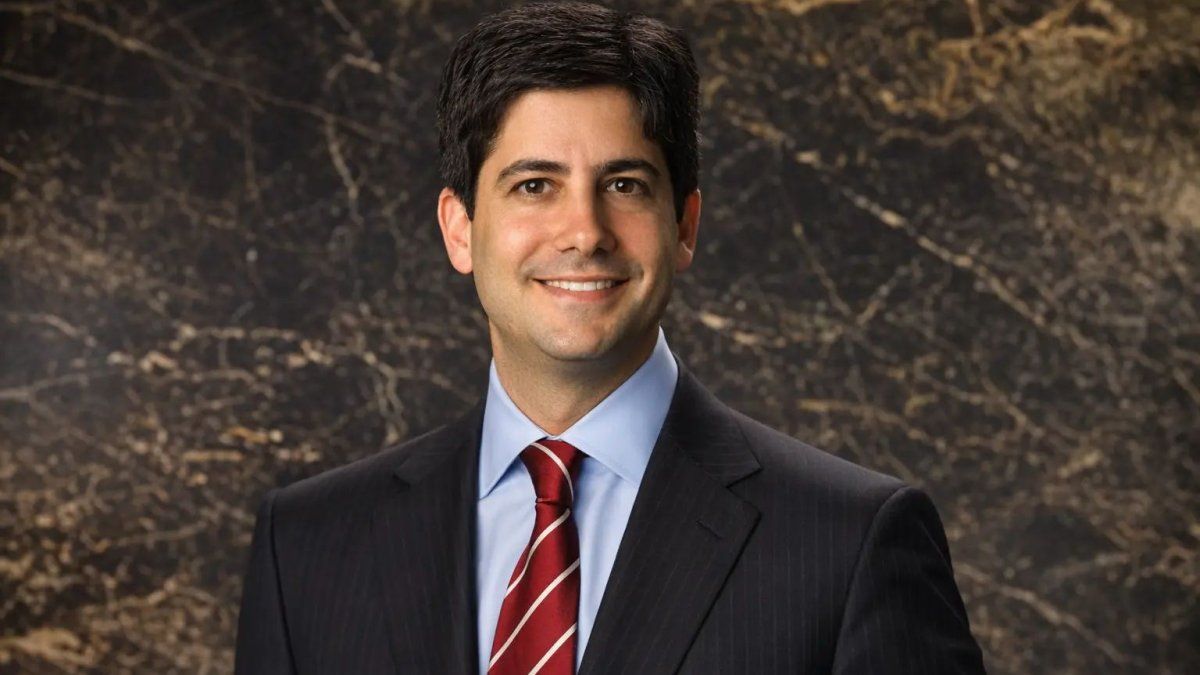
The meeting drew significant attention as it served as the debut for Kevin Warsh, whose appointment has been closely scrutinized by economists and market participants. Warsh, a former member of the Federal Reserve Board of Governors, brings a background that many analysts suggest may lean toward a more hawkish interpretation of economic data. While the current policy remains unchanged, market observers are looking for signals regarding his influence on the committee’s forward guidance, specifically regarding the potential for interest rate adjustments in the coming years.
The committee’s discussion regarding a possible rate increase in 2026—should economic conditions warrant it—highlights a pivot in the central bank’s strategic framework. By explicitly mentioning 2026, the Federal Reserve is attempting to anchor long-term inflation expectations, ensuring that the market does not prematurely price in aggressive monetary easing. This approach, documented in the official FOMC minutes, underscores the bank’s focus on data dependency rather than fixed timelines.
Market Response and Economic Indicators
The negative performance of major equity indices reflects a broader skepticism among investors regarding the timing of future policy pivots. When interest rates stay elevated, the discount rate applied to future corporate earnings increases, which disproportionately affects the valuation of growth-oriented stocks. According to analysis from the International Monetary Fund (IMF), the global economic landscape remains tightly linked to U.S. monetary policy, meaning that decisions made by the Federal Reserve have immediate repercussions for international capital flows and currency valuations.
Investors should continue to monitor the upcoming releases of the Personal Consumption Expenditures (PCE) price index, which is the Federal Reserve’s preferred measure of inflation. The next scheduled meeting of the Federal Open Market Committee is set for March 2025, where further clarity on the committee’s consensus regarding the economic trajectory is expected. Readers are encouraged to track official updates through the Federal Reserve’s central website for the most accurate and timely information on policy shifts and committee statements.
We invite our readers to share their analysis of the current interest rate environment in the comments section below. How do you believe the current policy trajectory will impact your long-term investment strategy as we approach the mid-year mark?
Worth a look