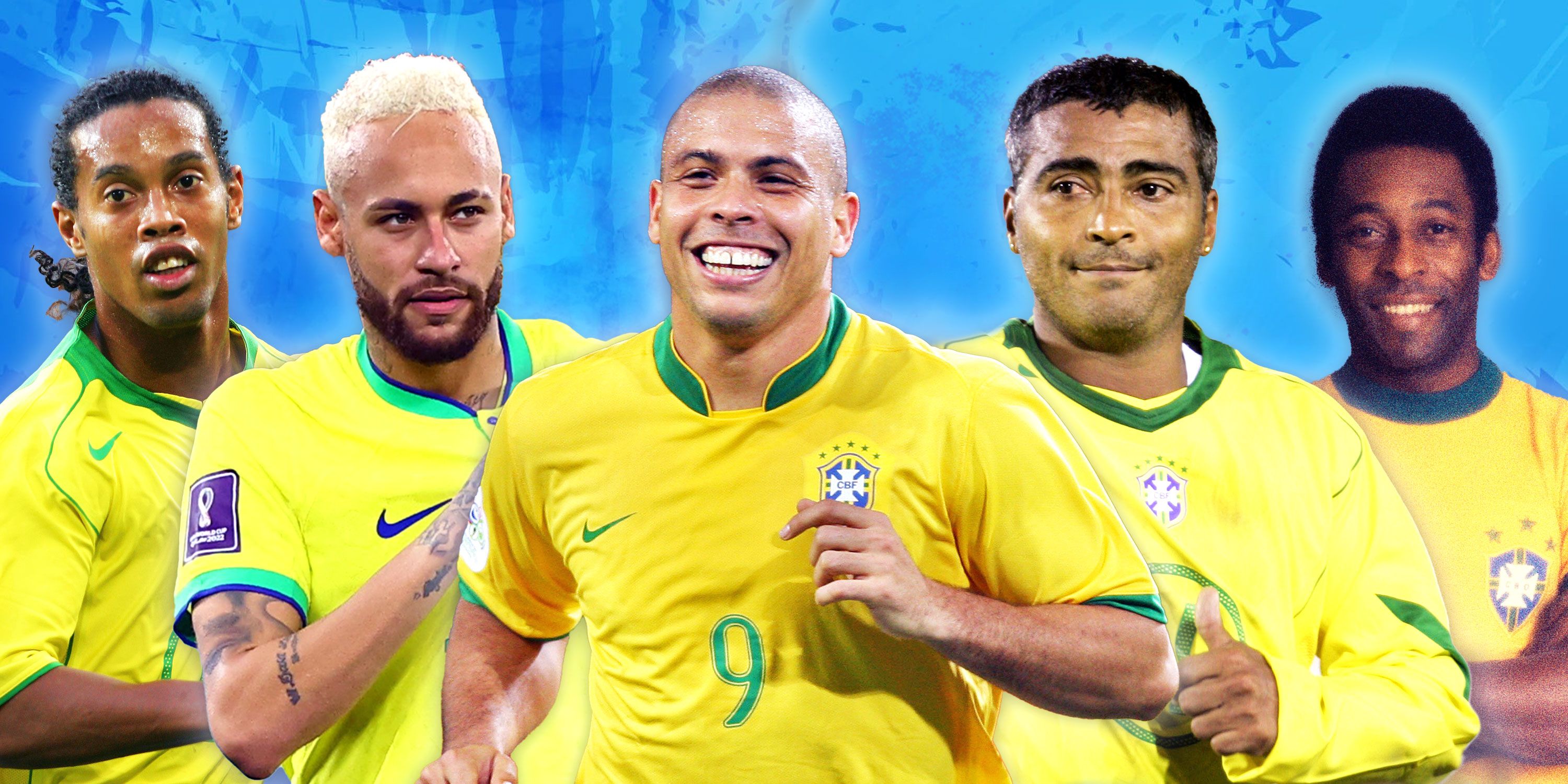
The 2014 FIFA World Cup semifinal match between Brazil and Germany remains the most significant upset in modern international football history. On July 8, 2014, at the Estádio Mineirão in Belo Horizonte, the German national team defeated the host nation, Brazil, by a final score of 7-1, a result that eliminated the five-time champions from the tournament and shocked the global sporting community, according to official match records published by FIFA.
For football fans and analysts, the match represents a case study in tactical dominance and psychological collapse. Germany’s victory was not merely a statistical anomaly but the culmination of a decade-long development program within the German Football Association (DFB). By halftime, Germany led 5-0, with goals from Thomas Müller, Miroslav Klose, Toni Kroos, and Sami Khedira, effectively silencing a capacity crowd of 58,141 spectators, as documented by the Guardian.
Tactical Preparation and the German Football Strategy
The German approach to the 2014 tournament was characterized by intense preparation and a professionalized scouting system. Unlike Brazil, which relied heavily on individual brilliance and emotional momentum, the German squad—managed by Joachim Löw—utilized a disciplined, possession-based style that exploited the gaps left by Brazil’s disorganized defensive line. According to Reuters, the absence of Brazilian captain Thiago Silva due to suspension and star striker Neymar due to a spinal injury left the home team without its primary tactical anchors, a vulnerability Germany exploited systematically.
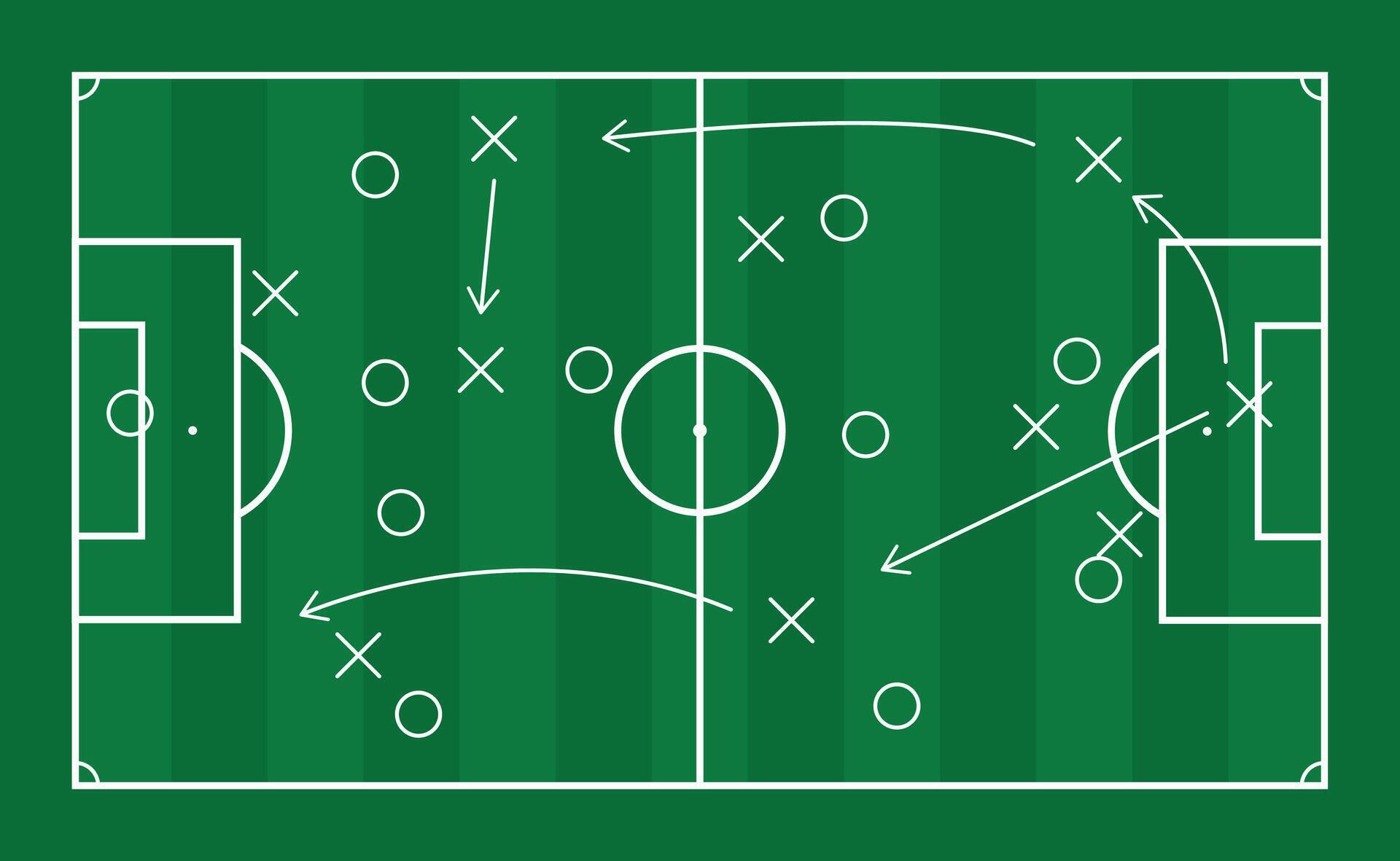
The German team’s focus on the “serious” nature of the fixture was reflected in their post-match comments. Per reports from BBC Sport, German players and staff emphasized that their preparation involved a deep analysis of Brazil’s vulnerabilities, particularly the space behind the Brazilian fullbacks. This methodical preparation allowed Germany to transition from defense to attack with clinical efficiency, scoring four goals in a span of six minutes during the first half.
The Psychological Impact on Brazilian Football
The 7-1 defeat, often referred to in Brazil as the “Mineirazo,” forced a national reckoning regarding the state of Brazilian football development. The loss was the largest margin of defeat for Brazil in any competitive match since 1920, according to historical data from RSSSF. The result led to the immediate resignation of coach Luiz Felipe Scolari and sparked a multi-year debate regarding the reliance of the Brazilian national team on European-based stars versus domestic league talent.
The match serves as a persistent reference point on platforms like Reddit’s r/whowouldwin, where users analyze the theoretical capabilities of historical squads. While these discussions are speculative, they highlight the enduring legacy of that 2014 German side, which subsequently defeated Argentina in the final to claim their fourth World Cup title. Academic analysis of the match, as noted by researchers at the London School of Economics, suggests that the game demonstrated how high-level team cohesion can dismantle individual-focused tactical structures in tournament settings.
Comparative Analysis of Tournament Performance
When comparing the two squads, observers often point to the contrast in institutional stability. Germany entered the 2014 tournament with a core group of players who had played together for years, whereas the Brazilian squad faced immense public pressure to win on home soil. The following table summarizes the key statistical outcomes of that historic encounter:
| Metric | Brazil | Germany |
|---|---|---|
| Final Score | 1 | 7 |
| Total Shots | 18 | 14 |
| Shots on Target | 8 | 10 |
| Possession | 52% | 48% |
The data indicates that while Brazil maintained competitive possession statistics, the efficiency of the German attack was significantly higher. Germany’s ability to convert 10 shots on target into seven goals remains one of the highest conversion rates in World Cup history, a fact corroborated by Opta Sports data archives.
What Happens Next for International Tournament Analysis
The legacy of the 2014 semifinal continues to influence how international football federations approach talent identification and tactical scouting. With the expansion of the FIFA World Cup to a 48-team format in 2026, the focus has shifted toward how teams can maintain consistent performance levels over a more grueling, longer tournament schedule. Official updates regarding future tournament regulations and qualification processes are available through the FIFA Media Centre.
For those interested in the ongoing discussions regarding historical team comparisons and tactical analysis, the conversation remains active within sports science communities and enthusiast forums. Readers are encouraged to share their insights on how modern tactical shifts—such as the increased use of high-pressing systems—might have altered the outcome of such a fixture today.
Worth a look