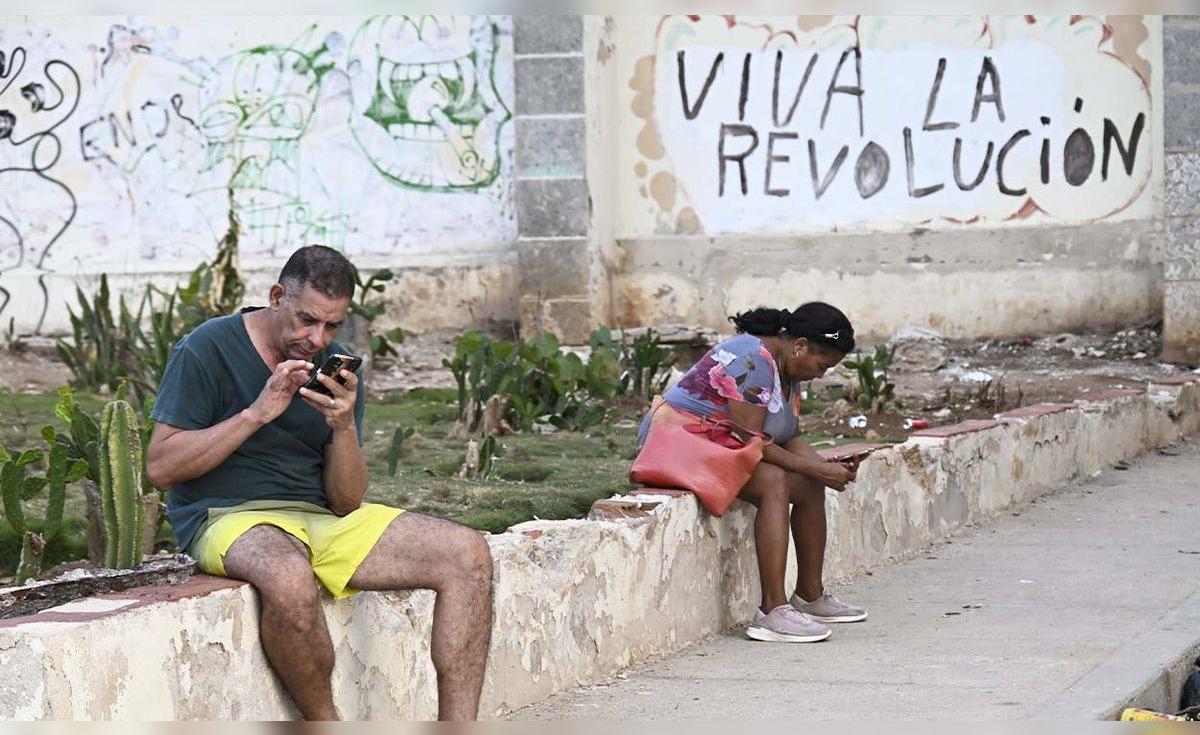
The Central Intelligence Agency (CIA) has established a secret task force dedicated to Cuba with the purpose of accelerating political, economic, and leadership changes demanded by President Donald Trump.
CIA Establishes Secret Task Force to Accelerate Political Change in Cuba
The initiative forms part of a broader strategy of progressive asphyxiation led by Washington to force the downfall of the current government in Havana. The current mandate of the task force is more limited than its historical predecessor from 1960, which supervised the failed Bay of Pigs invasion. Instead, the current objective is to generate fissures within the Cuban political elite so that leaders replace hard-line, anti-American officials with more pragmatic figures willing to accept Washington’s demands. The CIA declined to comment on the formation of the unit.

Washington Intensifies Economic Sanctions and Diplomatic Demands
The White House launched its campaign against the Cuban government more than six months ago, imposing a strict oil embargo that has plunged the island into darkness, alongside multiple sanctions packages to freeze assets and goods belonging to dozens of public bodies and senior Cuban officials. Secretary of State Marco Rubio stated through a public announcement that Cuba’s military and intelligence institutions are the main agents of internal repression and nodes of cleptocracy, particularly through the military conglomerate GAESA.
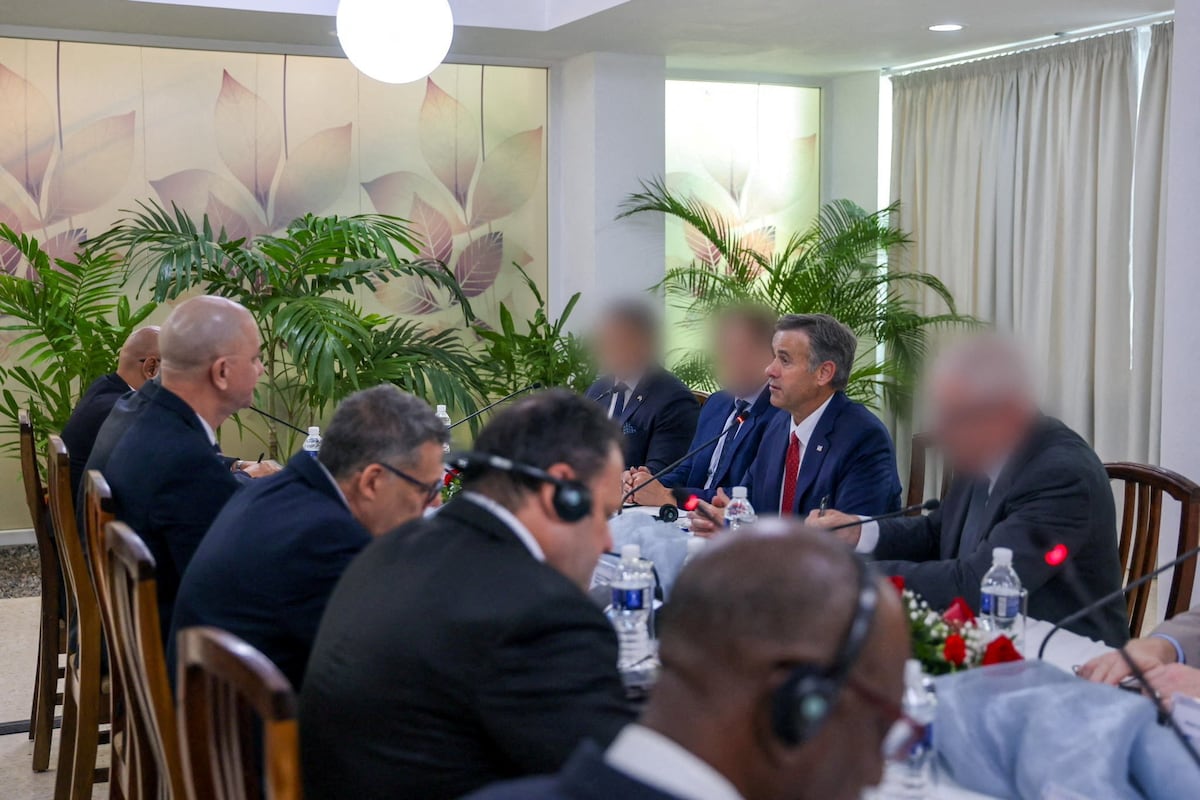
The escalation has forced foreign hotels—previously the island’s primary source of wealth—to close and terminate operations while the pressure campaign continues. Alongside the energy crisis, the strict oil barrier has brought the island to the brink of a humanitarian crisis, leaving it with daily power outages, scarce basic products, and minimal electricity supply. In ongoing diplomatic maneuvering, U.S. officials recently presented Cuban leaders with a list of demands. Washington expects Cuba to liberalize its economy, open up to U.S. businesses, purchase American petroleum, and expel Russian and Chinese intelligence agents. In exchange, officials have offered incentives that include increased humanitarian aid and a softening of economic sanctions.
Intelligence Gathering and the Search for Alternative Leadership
Supporting the broader pressure campaign, the National Security Agency and the National Geospatial-Intelligence Agency have dedicated increased collection resources, including satellites, to the island.
U.S. agencies were pushed to identify individuals matching the profile of Delcy Rodríguez, who became Venezuela’s interim president following the capture of Nicolás Maduro by U.S. forces in January. However, the search faces obstacles due to the prevalence of hard-line factions within Cuba. While the Cuban government appears to back Óscar Pérez-Oliva Fraga, a grandnephew of Fidel Castro, U.S. officials view him as unacceptable, while showing potential openness to Raúl G. Rodríguez Castro—a grandson of Raúl Castro known as “Raulito” or “El Cangrejo”—who has never held public office.
Keep reading