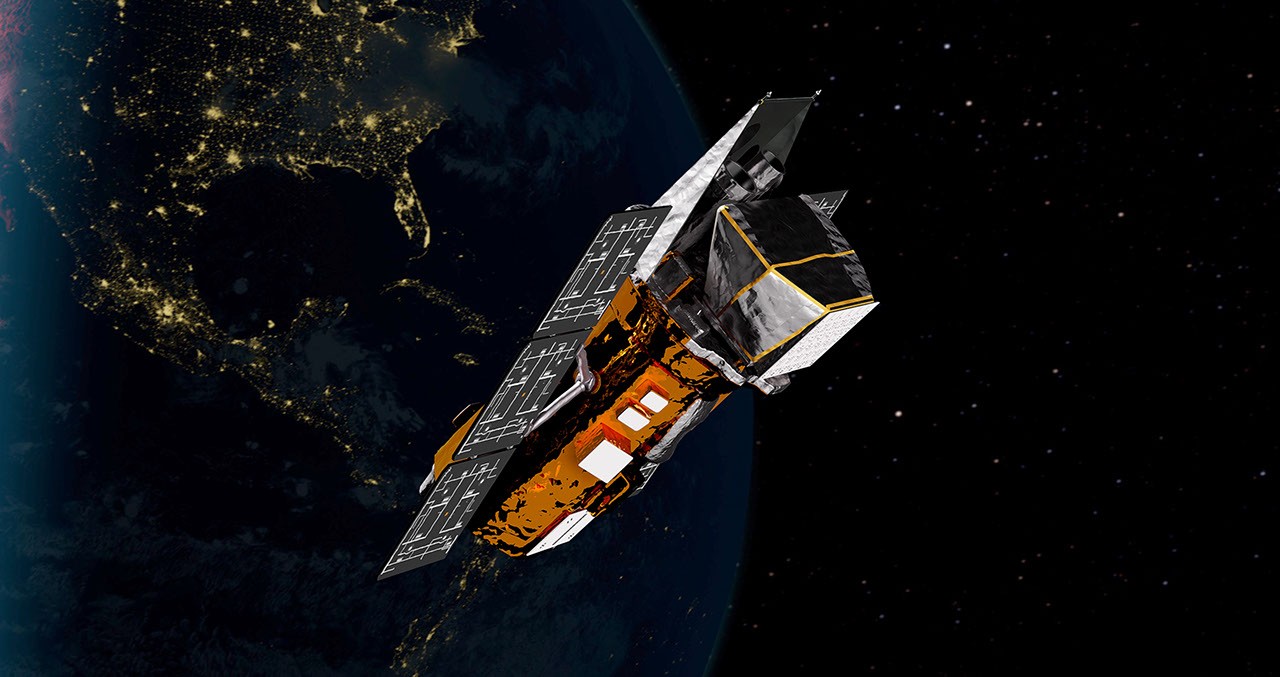
A rescue mission launched to save NASA’s Neil Gehrels Swift Observatory is facing significant challenges after the servicing spacecraft sent to retrieve it began spinning out of control in orbit, according to USA Today. The Lightweight In-Space Navigation and Kinematics (LINK) spacecraft, developed by Arizona-based startup Katalyst Space Technologies under a $30 million contract with NASA, experienced issues at the end of July that caused sporadic communications with ground teams.
NASA Rescue Mission for Swift Observatory Faces Hurdles
The mission launched on July 3 when a Pegasus rocket manufactured by Virginia-based aerospace company Northrop Grumman lifted off from the Marshall Islands in the Pacific. The rocket was dropped from the belly of a modified airplane, delivering the LINK spacecraft into orbit in about 10 minutes. Katalyst threw the spacecraft together in just nine months at NASA’s behest. The Swift Observatory itself was launched in 2004 and has spent more than two decades studying cosmic phenomena such as gamma-ray bursts, which are triggered by the catastrophic deaths of massive stars.
Rapid Orbital Decay and High Stakes
Swift’s survival is under threat because the satellite has fallen faster than anticipated due to increased solar storms since the fall of 2024. Observations are currently on hold to preserve the telescope’s altitude as long as possible. The 1.6-ton (1.4-metric ton) observatory is currently circling about 224 miles (360 kilometers) above Earth. Without intervention, the telescope is predicted to plunge into the atmosphere and burn up by October.
Before the spacecraft encountered trouble, mission teams kept Swift at least 185 miles above Earth. The rescue plan required LINK to slowly approach and survey Swift before grabbing the observatory with its three robotic arms and raising its orbit by roughly 150 miles (240 kilometers). The mission also serves as a critical test of whether robotic spacecraft can service satellites that were not originally designed to be captured or repaired in orbit.
Ground Teams Work to Stabilize the Spacecraft
Originally, LINK was caught in a multi-axis spin rotating at about 9 degrees per second, which impeded its progress toward Swift. The Katalyst ground control team used a series of burns from one of the spacecraft’s electric propulsion thrusters—also referred to as xenon-gas thrusters—to reduce the spin rate to about 1.47 degrees per second, according to an update from NASA.
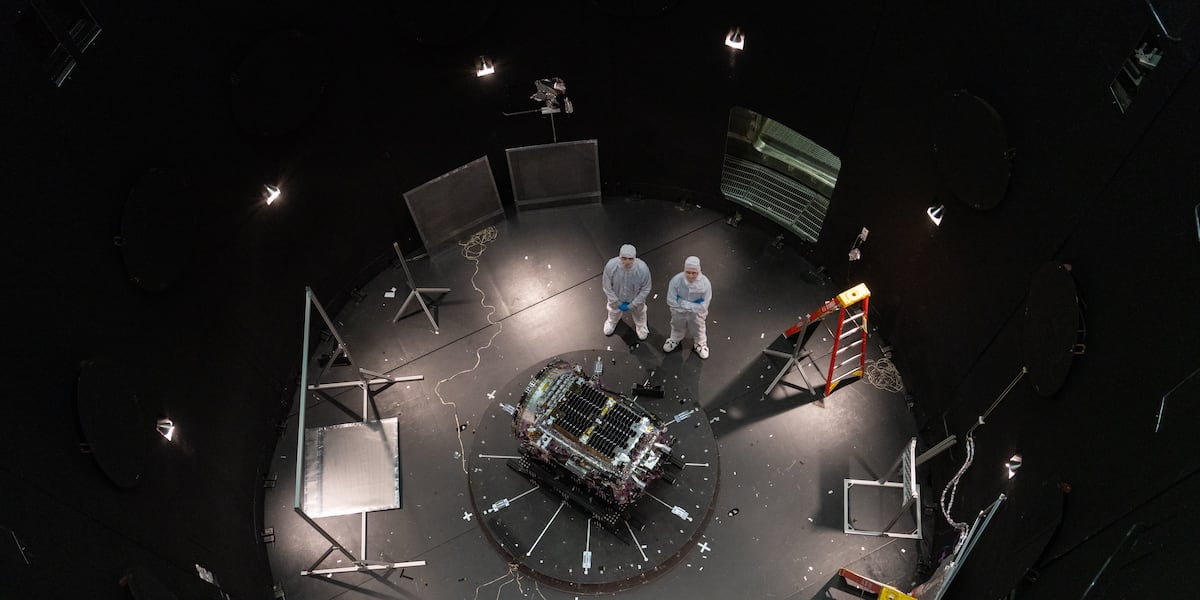
Katalyst plans to maintain LINK at that spin rate while preparing the next recovery steps. This includes uploading a flight software update featuring new attitude controllers designed to maintain stability in its current configuration. If successful, these updates would allow LINK to begin maneuvering to align with Swift’s orbit, with a potential approach by the end of August.
Mission Timeline and Outlook
- Early July 2026: Northrop Grumman launches the LINK spacecraft on a Pegasus XL rocket from the Pacific.
- Late July 2026: LINK experiences issues and begins spinning out of control, leading to sporadic communications.
- Early August 2026: Katalyst ground teams successfully reduce LINK’s spin rate from 9 degrees per second down to 1.47 degrees per second using thruster burns.
- Coming Days: Teams plan to upload a flight software update with new attitude controllers to prepare for orbital alignment.
- Late August to September 2026: Potential approach window for LINK to reach Swift, with the telescope potentially returning to scientific operations by September if the rescue succeeds.
Despite the setback, mission teams remain cautiously optimistic. The mission remains active,
Katalyst stated, adding that the company continues to believe LINK has a viable path to rendezvous with Swift once software adjustments are completed. Ahead of liftoff, Katalyst Space CEO Ghonhee Lee noted, This is a high-risk, high-reward mission.
