
Dense bean salads have emerged as a prominent nutritional trend on social media, offering a practical approach to meal preparation that emphasizes fiber-rich legumes and minimal cooking. By combining canned beans, fresh vegetables, and simple dressings, these “DBS” creations provide a shelf-stable, nutrient-dense option for those seeking to increase their intake of plant-based protein and fiber without complex culinary techniques.
As a physician, I frequently emphasize the importance of dietary fiber—a nutrient currently lacking in the standard American diet. According to the U.S. Department of Agriculture (USDA), most Americans consume significantly less than the recommended daily intake of fiber, which is essential for digestive health and blood sugar regulation. A 100-gram serving of chickpeas, for instance, contains approximately 7 grams of protein and nearly 6 grams of fiber, making beans an efficient, budget-friendly foundation for a balanced meal, as noted by Registered Dietitian Nutritionist Bonnie Taub-Dix in her professional guidance.
The Nutritional Foundation of Dense Bean Salads
The primary appeal of the dense bean salad lies in its composition. Unlike traditional leafy green salads, which often wilt within hours of being dressed, bean-based mixtures maintain their texture and flavor for several days when refrigerated. This structural integrity allows for “batch prepping,” a strategy that can help individuals avoid the convenience-driven consumption of ultra-processed foods.
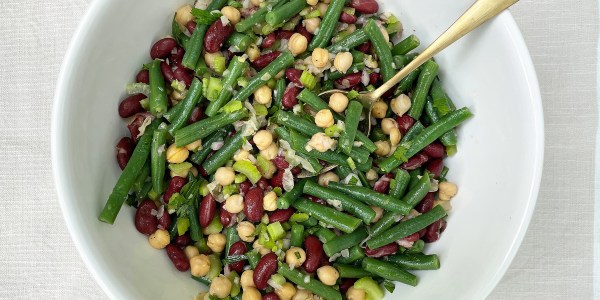
The nutritional profile of these salads is supported by a variety of legumes, including black beans, garbanzo beans (chickpeas), cannellini, and pinto beans. When combined with fiber-rich additions—such as bell peppers, cucumbers, corn, or cherry tomatoes—the resulting dish provides a significant portion of daily micronutrient requirements. Research published by the American Heart Association indicates that replacing red and processed meats with plant-based protein sources, such as legumes, is associated with a lower risk of cardiovascular disease. This dietary shift aligns with broader public health goals to reduce saturated fat intake while increasing the consumption of antioxidants found in fresh produce.
Strategic Meal Preparation and Cost Efficiency
One of the most significant barriers to maintaining a healthy diet is the time required for meal preparation. Frances Largeman-Roth, RDN, highlights that the “no-cook” nature of these salads simplifies the process, requiring only the rinsing of canned legumes and the chopping of seasonal vegetables. Because these salads are highly customizable, they serve as a practical method for reducing food waste by allowing home cooks to utilize leftover produce from their refrigerators.
From an economic standpoint, canned beans remain one of the most affordable sources of protein available in modern grocery stores. By incorporating pantry staples like olive oil, vinegar, and various herbs, individuals can avoid the high sodium and added sugar content often found in pre-packaged, store-bought salad dressings. For those looking to add further depth, adding whole grains like farro or quinoa can transform a side dish into a complete, satiating main course.
Guidelines for Optimizing Your Salad
To ensure a dense bean salad remains a healthy choice, it is important to be mindful of additions that may inadvertently increase calorie or sodium density. While adding fats like nuts, seeds, or feta cheese can improve flavor and texture, moderation is key. Registered Dietitian Bonnie Taub-Dix advises against the use of croutons, bacon bits, or pre-packaged tortilla strips, which are typically high in sodium and saturated fats.
When selecting ingredients, consider the following evidence-based approach to assembly:

- Base: Utilize canned beans, ensuring they are thoroughly rinsed under cold water to reduce excess sodium content.
- Crunch: Incorporate fresh, seasonal vegetables like bell peppers or radishes for texture and volume.
- Healthy Fats: Use high-quality sources such as extra-virgin olive oil in your dressing or a limited portion of nuts and seeds for satiety.
- Flavor Profile: Use fresh herbs—parsley, cilantro, or basil—to enhance the dish without relying on high-calorie, processed additives.
By following these principles, you can create a meal that is not only convenient but also aligns with established dietary guidelines for heart health and sustained energy. As with any nutritional trend, the long-term benefit is found in consistency rather than intensity. Incorporating fiber-rich, plant-based meals into your routine is a sustainable strategy for improving overall metabolic health.
There are no scheduled legislative or public health policy updates regarding legume consumption at this time. Readers are encouraged to continue consulting with their primary care physicians or registered dietitians regarding individual dietary needs. We invite you to share your own variations of this salad in the comments below.
Related reading