
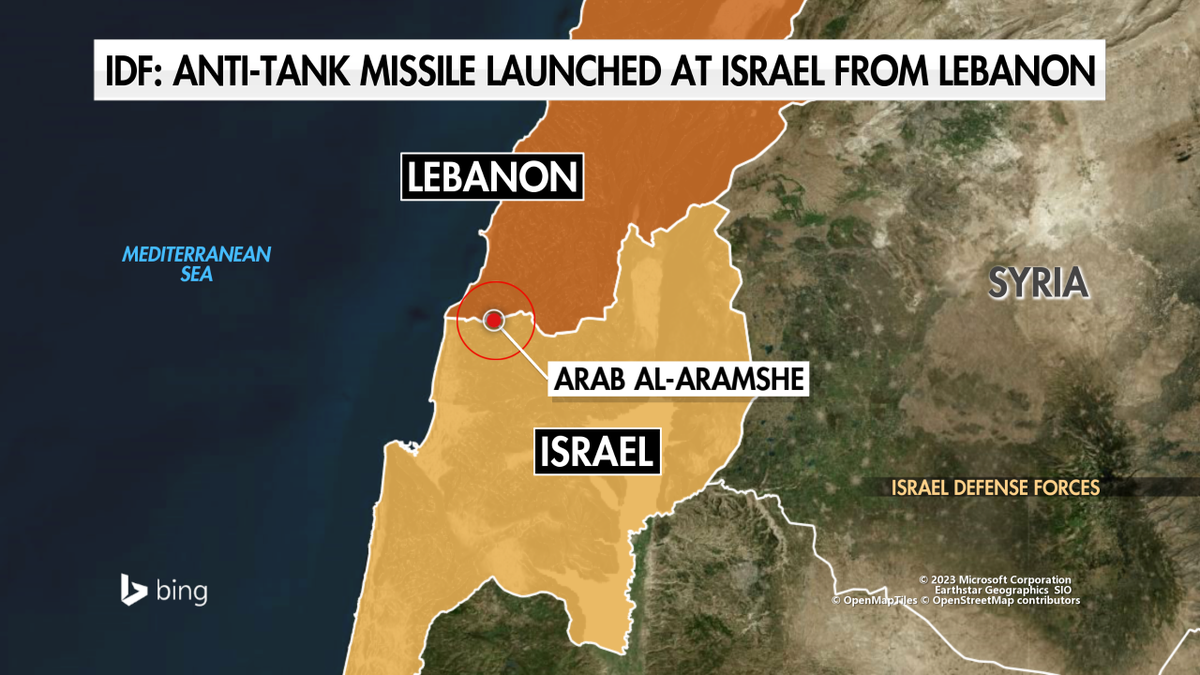
Cross-border hostilities between Hezbollah and Israeli forces intensified on June 5, 2026, as both sides reported a significant surge in military activity along the southern Lebanese border. Hezbollah claimed to have executed approximately 20 separate attacks against Israeli military positions throughout the day, while the Israel Defense Forces (IDF) reported that, over the preceding week, they had struck more than 650 Hezbollah-linked targets and neutralized over 125 combatants in the region. These developments mark a period of heightened friction, raising concerns about the stability of the Blue Line—the demarcation line between Lebanon and Israel—as regional diplomatic tensions continue to rise.
The escalation occurs amid a backdrop of complex geopolitical maneuvering. Lebanese leadership has expressed increasing alarm over the country’s role in wider regional disputes. According to reports from the Lebanese presidency, President Joseph Aoun has issued a public warning regarding external influence, stating that Iran is “using Lebanon as a bargaining chip in their negotiations with the U.S. It is unacceptable.” This statement highlights the growing anxiety in Beirut that Lebanon’s domestic security is being compromised by the strategic interests of international actors.
Military Engagements Along the Southern Border
The operational tempo in southern Lebanon has increased markedly over the past seven days. The Israeli military stated that its recent campaign was designed to degrade Hezbollah’s command-and-control infrastructure, citing the destruction of over 650 targets. Military officials confirmed that these actions resulted in the elimination of more than 125 Hezbollah operatives, a figure that underscores the scale of the ongoing tactical confrontation. These figures are consistent with the IDF’s stated policy of targeting militant positions to prevent cross-border incursions, as documented in their official operational updates.
Hezbollah’s response on June 5 involved a series of approximately 20 attacks aimed at Israeli troop concentrations. The group described these actions as part of a sustained campaign to counter Israeli military pressure in the border zone. While Hezbollah frames these operations as a defensive necessity, independent observers note that the frequency of these skirmishes has disrupted civilian life in southern Lebanese villages and northern Israeli communities. The lack of a formal ceasefire mechanism continues to leave both sides in a state of high readiness, with the potential for further escalation remaining a primary concern for the United Nations Interim Force in Lebanon (UNIFIL), which maintains a presence along the border to monitor violations of UN Security Council Resolution 1701.
Geopolitical Tensions and Regional Bargaining
The warning from President Joseph Aoun concerning Lebanon’s position in U.S.-Iran negotiations reflects a broader concern about the country’s sovereignty. By describing Lebanon as a “bargaining chip,” Aoun is highlighting the perception that Tehran is leveraging its influence over Hezbollah to gain leverage in broader diplomatic talks regarding nuclear policy and regional security. This framing suggests that the Lebanese government is struggling to decouple its national interests from the strategic objectives of its regional allies.
The U.S. State Department has frequently emphasized the importance of maintaining Lebanese state authority and preventing non-state actors from dictating national security policy. However, the disconnect between the official Lebanese government stance and the independent military actions of Hezbollah remains a defining feature of the current crisis. For observers of Middle Eastern affairs, this situation underscores the fragility of Lebanon’s political institutions, which are currently operating under significant economic and social strain, as detailed in recent World Bank assessments of the Lebanese economic crisis.
What Happens Next
The immediate outlook for the region remains volatile, with no signs of a diplomatic breakthrough to de-escalate the fighting. Military analysts are watching for whether the current intensity of strikes leads to a broader ground engagement or if both sides will revert to the localized skirmishes that have characterized the conflict for months. The next point of focus will be the upcoming UN Security Council session, where the situation in Lebanon is expected to be reviewed in light of the recent uptick in hostilities.
As the situation develops, international aid organizations and regional observers continue to monitor the humanitarian impact on border populations. Residents in the affected areas are advised to follow local civil defense directives and stay informed through official government channels. Please share your thoughts or questions regarding these developments in the comments section below.
Keep reading