Student journalists within Montgomery County Public Schools (MCPS) are raising concerns over a new administrative memorandum that requires the prior review of all student-produced publications. The policy, which affects student newspapers and yearbooks, has sparked an organized protest from student editors who argue the directive constitutes an infringement on their editorial independence and potentially conflicts with state law. According to school district officials, the measure is intended to mitigate liability risks, while student leaders contend it introduces a framework for potential censorship.
The controversy centers on a recent directive issued by the Montgomery County Public Schools administration. The memorandum mandates that school administrators review student-run publications before they are distributed to the student body or the wider community. This shift in oversight has prompted students from at least 20 different school publications to sign an open letter expressing their opposition to the change. The students are advocating for a return to the previous oversight model, which they maintain was already consistent with policies approved by the county’s Board of Education.
The Legal Framework: Maryland’s New Voices Act
At the heart of the student protest is Maryland’s “New Voices” law, a piece of legislation passed in 2016 that provides specific legal protections for student journalists. The law, formally known as the Student Journalists Act, explicitly limits the ability of school officials to exercise prior restraint over student media. According to the Student Press Law Center, the legislation establishes that student editors, not school administrators, are responsible for determining the content of their publications.
The statute provides narrow exceptions where administrative intervention is permitted, such as when content is proven to be libelous, slanderous, an invasion of privacy, or in violation of law. It also allows for intervention if the material creates a “clear and present danger” or significantly disrupts the educational environment of the school. Students argue that the new MCPS memorandum is overly broad and does not align with these specific legal guardrails. Jonathan Gaston-Falk, representing the Student Press Law Center, noted that students are well-versed in these legal standards and that the sudden introduction of a new review process has created significant confusion among school journalism departments.
District Position and Administrative Rationale
MCPS Superintendent Thomas Taylor has defended the memorandum, stating that the directive does not equate to censorship or the imposition of prior restraint. In his response to a Change.org petition that has garnered over 600 signatures, Superintendent Taylor emphasized that the intent of the policy is educational and risk-averse. He asserted that school officials are responsible for guiding students as they learn, and that the review process is a measure to prevent potential legal liabilities that could arise from student-produced content.
“I can emphatically tell you that no one wants to censor the kids,” Superintendent Taylor stated in his response. He framed the policy as a protective measure, suggesting that administrators are simply acting to ensure that school publications remain within the boundaries of school policy and state law. However, student editors remain skeptical of this explanation, pointing to the existing role of journalism teachers who are already tasked with overseeing the classroom and the editorial process.
Student Perspectives on Editorial Independence
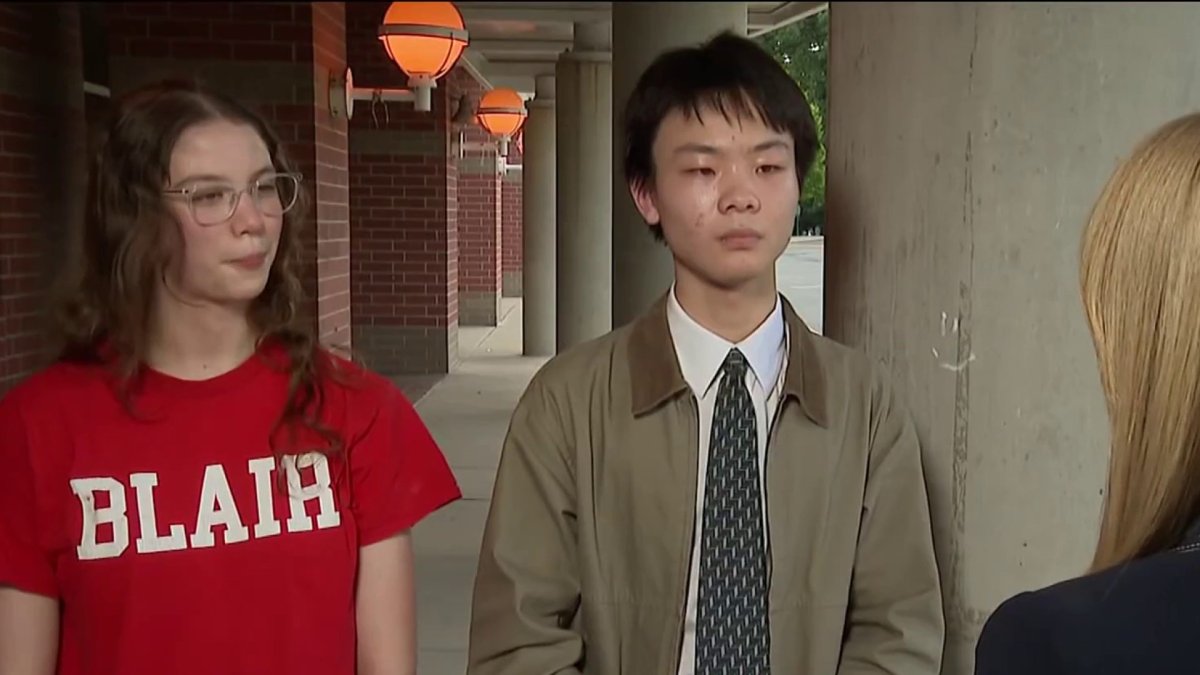
Ian Chen, an editor for The Tide at Richard Montgomery High School, who helped organize the open letter campaign, argued that the presence of dedicated journalism faculty makes administrative review redundant and intrusive. Chen stated that the purpose of employing specialized educators is to teach students how to navigate the complexities of journalism, including ethics and legal compliance, within the classroom setting. He raised concerns about the feasibility of administrators—who may lack journalism training and carry heavy workloads—reviewing large volumes of student content before publication.
Zoe Gorbachev, editor-in-chief of Silver Chips at Montgomery Blair High School, highlighted the historical significance of student media. Her publication, which has been in operation since 1937, recently published an editorial criticizing the new review mandate. Gorbachev noted that Maryland is one of approximately 18 states that have enacted specific “New Voices” protections for student media. She argued that these protections are essential for maintaining a free and independent student press, and that any move to weaken them should be met with public scrutiny.
Next Steps for the School Board
The conflict is expected to move toward a formal discussion at the county level. Student organizers have announced their intention to present their concerns directly to the Montgomery County Board of Education during an upcoming meeting. The goal, according to the student coalition, is to secure a formal reversal or significant amendment of the memorandum to ensure that student journalists retain their editorial autonomy while continuing to adhere to established school district policies.
As of this reporting, no official date for a board hearing specifically dedicated to this policy has been finalized, though students are monitoring the Board of Education’s public calendar for upcoming opportunities to provide testimony. The situation remains a developing point of friction between the district’s administrative leadership and the student body’s commitment to independent reporting.
Worth a look