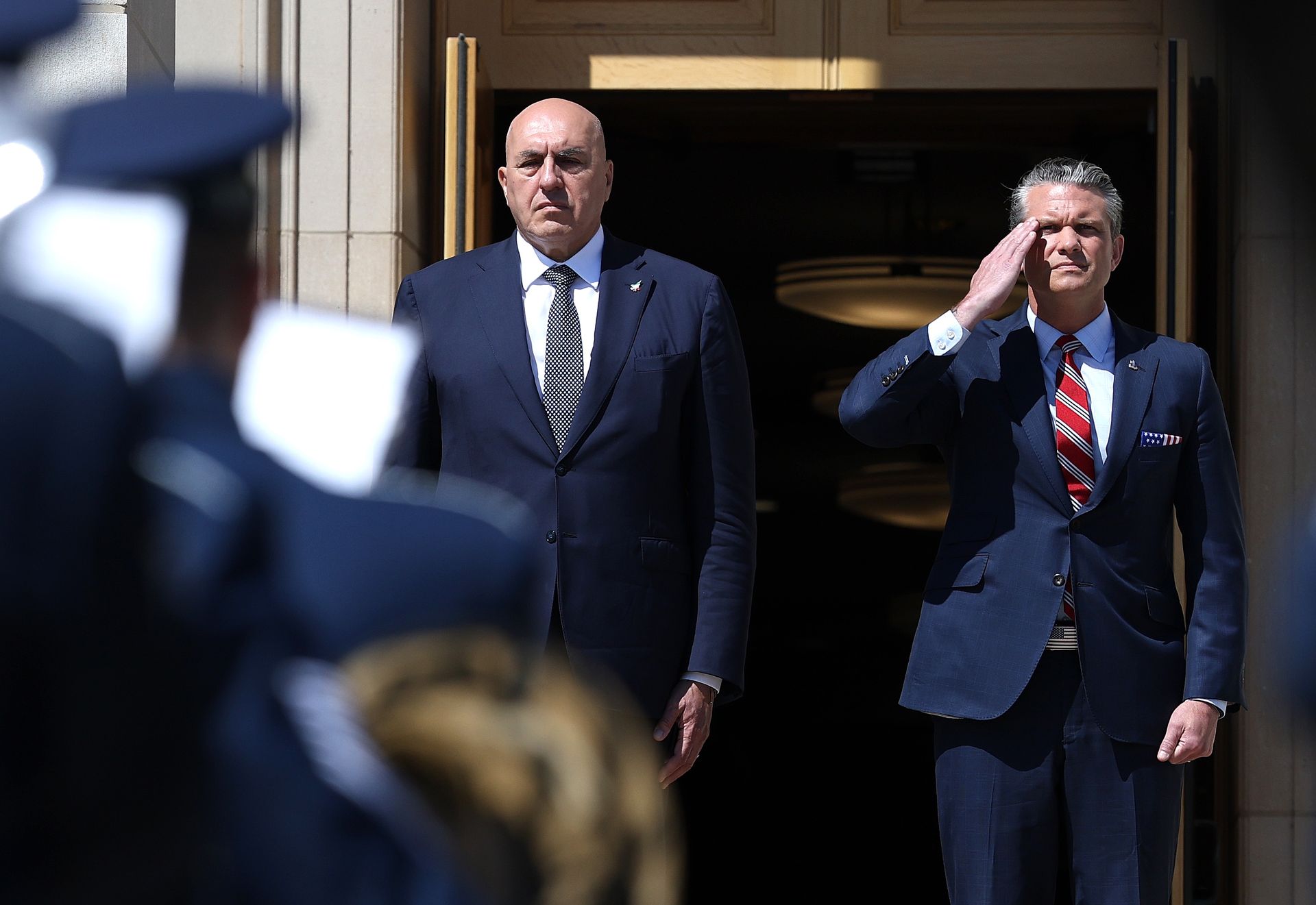
The Italian government maintains a firm policy regarding the use of its military aid to Ukraine, explicitly prohibiting the use of Italian-supplied weapons for strikes deep within Russian territory. Italian officials have reiterated that their support is intended strictly for the defense of Ukrainian sovereignty and must remain within the borders of the conflict zone, according to statements from the Ministry of Foreign Affairs.
This stance aligns with the broader framework of international agreements governing the supply of Western armaments to Kyiv. While other NATO members have faced ongoing debates regarding the tactical employment of long-range missiles, Rome has consistently signaled that it will not deviate from its established operational parameters. The Italian position reflects a cautious approach to regional stability and adherence to the conditions set at the time of the initial arms transfers.
Defining the Limits of Military Support
The restriction on Italian-provided hardware is a matter of clear policy, not a shift in diplomatic commitment. Italian authorities have emphasized that all military packages delivered to Ukraine are subject to strict end-use monitoring. These agreements, which are standard for defense exports under Italian law (Law No. 185/1990), mandate that equipment be used solely for self-defense purposes as defined by international law, according to the Italian Ministry of Foreign Affairs and International Cooperation.
For the Italian government, the distinction between defensive operations and offensive strikes against Russian logistics or infrastructure inside Russia is a critical component of their security strategy. By maintaining these limitations, Rome aims to balance its solidarity with Kyiv against the risks of escalation that could arise from cross-border strikes involving European-supplied technology. This policy has remained consistent since the beginning of the full-scale invasion, with officials frequently referencing the necessity of avoiding direct NATO involvement in the conflict.
The Context of European Defense Policy
Italy’s refusal to authorize the use of its weapons for long-range strikes inside Russia comes at a time when other European nations are navigating similar internal and external pressures. The North Atlantic Treaty Organization (NATO) has generally left the specific rules of engagement for donated weapons to the discretion of individual member states. However, the collective goal remains the reinforcement of Ukraine’s ability to resist territorial aggression without triggering a wider regional war.
Other major contributors, including the United States, Germany, and the United Kingdom, have also wrestled with the strategic implications of permitting deep-strike capabilities. While some nations have recently signaled a degree of flexibility—provided the targets are directly tied to immediate threats against Ukrainian soil—Italy’s public declarations remain among the most restrictive. This divergence highlights the varied security priorities among European partners, despite their unified condemnation of the ongoing hostilities.
Strategic Implications for Kyiv
The impact of these restrictions on Ukraine’s military efficacy is a subject of significant analysis among defense experts. For the Ukrainian Armed Forces, the ability to strike launch sites and supply hubs within Russia is viewed as essential for neutralizing incoming ballistic missile and drone attacks. However, the reliance on Western-supplied systems means that Kyiv must operate within the legal and political frameworks established by its donors, as noted in reports by the International Institute for Strategic Studies (IISS).
For Italian policymakers, the decision to maintain the “no” regarding deep-strike authorization is viewed through the lens of long-term diplomatic leverage. By keeping its support focused on defensive capabilities, Italy asserts that it is upholding its legal obligations while continuing to provide essential air defense systems, artillery, and humanitarian aid. The government has repeatedly stated that its primary objective is to facilitate a sustainable path toward a diplomatic solution, rather than expanding the scope of the military engagement.
What Happens Next
The Italian government is expected to continue its current trajectory, with ongoing discussions regarding future aid packages likely to reinforce, rather than relax, existing restrictions. Official updates regarding military support are typically handled through the Ministry of Defense and the office of the Prime Minister, with periodic briefings provided to the Italian Parliament to ensure transparency regarding the nature of the equipment being transferred.

As the conflict continues to evolve, the international community will likely continue to monitor how various nations calibrate their military aid. For now, Rome’s position remains a fixed point in the broader European debate. Readers interested in the official status of these policies can monitor the official website of the Italian Government for future statements and legislative developments regarding international aid. We invite our readers to share their perspectives on this development in the comments section below.
Keep reading
- DHL Group Group Coordinator Lead Job in Monee, IL
- Woman Sexually Assaulted on Flight While Holding 4-Year-Old Daughter
- UNICEF: 300 Days of Gaza War, Ukraine Casualties, and Hormuz Strait Ships Face Biofouling (archynewsy.com)
- Italy Weather Forecast: Extreme Heatwave to Continue Until Mid-August (world-today-news.com)