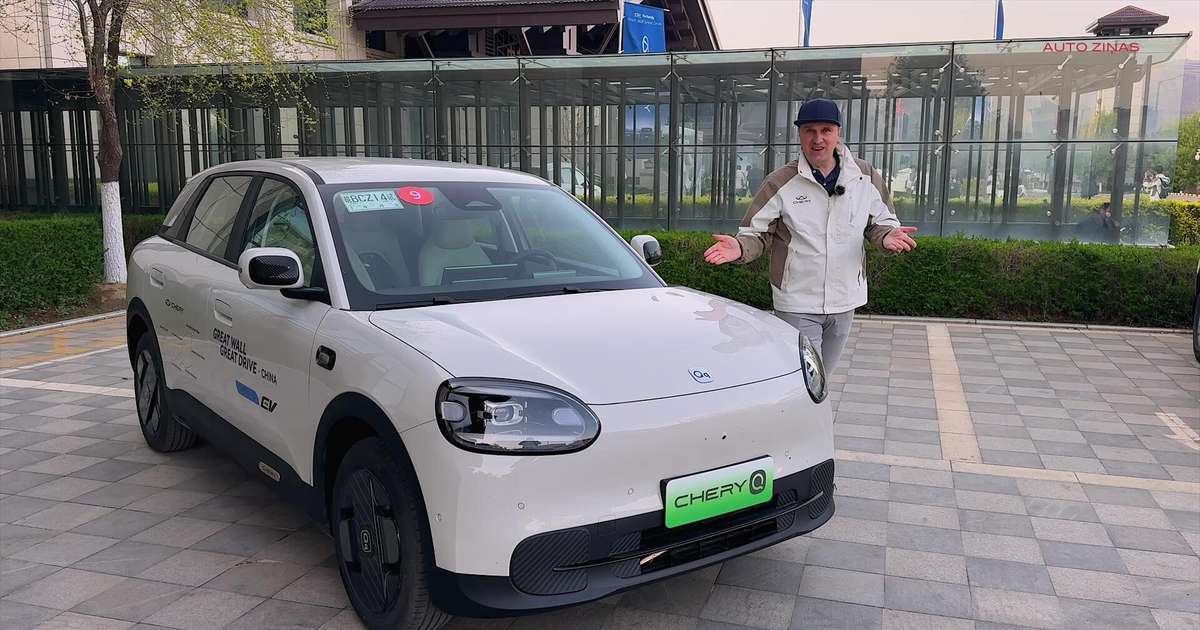
Chinese automotive manufacturer Chery is accelerating its expansion into the European market, positioning its latest crossover models as high-tech, value-oriented alternatives to established Western brands. As the company navigates tightening emissions regulations and shifting consumer preferences, its strategy centers on integrating advanced driver-assistance systems (ADAS) and competitive pricing to challenge the dominance of legacy automakers in the SUV segment.
The automotive industry is currently witnessing a significant influx of Chinese-manufactured vehicles, with Chery at the forefront of this push. According to data from the European Automobile Manufacturers’ Association (ACEA), the penetration of non-European brands in the regional market has seen a steady increase, driven largely by advancements in electric and hybrid powertrain technology. For consumers, this shift represents a broader choice in the crossover category, though it also raises questions regarding long-term service networks and resale value retention in a market historically dominated by domestic manufacturers.
Strategic Expansion into European Markets
Chery’s approach to the European market involves a dual-track strategy: establishing a robust local presence while leveraging its existing manufacturing scale in China to maintain price competitiveness. The company has publicly signaled its intent to utilize local production facilities to bypass potential import tariffs and logistics bottlenecks. As reported by Reuters, Chery became the first Chinese automaker to initiate production in Spain, marking a significant milestone in its localization efforts within the European Union.
This localized production is critical, as it aligns with the European Commission’s ongoing investigations into state subsidies provided to Chinese electric vehicle manufacturers. The European Commission announced definitive countervailing duties on imports of battery electric vehicles from China in mid-2024, aiming to restore a level playing field for domestic producers. By establishing manufacturing bases within the EU, Chery aims to mitigate the impact of these trade barriers while maintaining its market share.
Technology and Performance Expectations
The latest crossover offerings from Chery prioritize interior digital integration and safety technology, which have become the primary battlegrounds for modern automotive consumers. These vehicles typically feature high-resolution dual-screen displays, advanced connectivity suites, and comprehensive safety packages, including lane-keeping assistance and autonomous emergency braking systems. While these features are often standard in premium European models, Chery is aiming to offer them at a lower price point, a strategy that has historically disrupted mature markets.
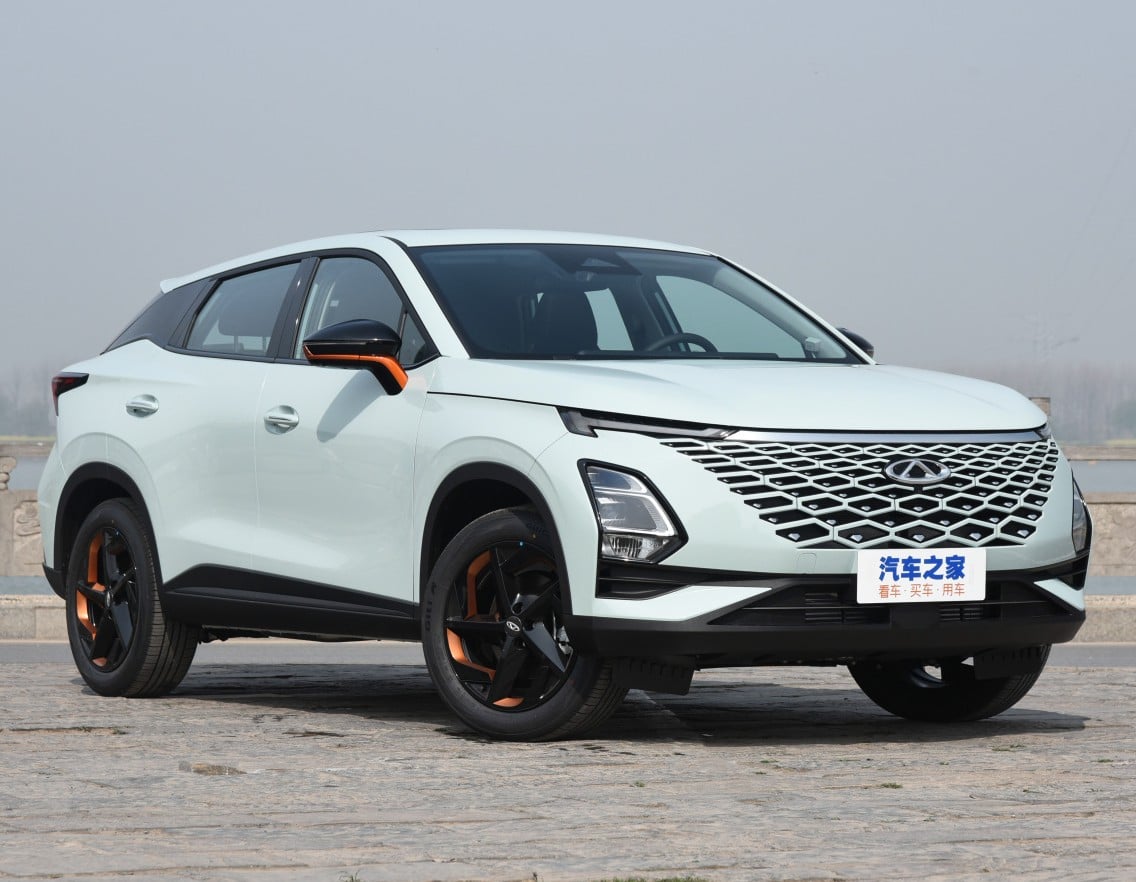
However, the transition to Chinese brands requires a recalibration of consumer expectations regarding driving dynamics. European roads, known for their varied topography and specific handling requirements, often demand a different suspension tuning compared to the domestic Chinese market. Automotive analysts note that Chery is actively working with international engineering firms to refine the chassis and steering feedback of its models to better suit the preferences of European drivers. This adaptation is essential for long-term brand credibility in a region where driving experience is a core purchasing driver.
Infrastructure and After-Sales Support
A primary concern for potential buyers of Chinese-made crossovers remains the availability of parts and the density of service networks. Unlike brands with decades of established dealer presence, Chery is building its infrastructure from the ground up. The company has announced plans to partner with existing dealer groups in various European countries to ensure that customers have access to maintenance and repair services. According to industry reports, the success of this model depends on the speed at which these service points can be integrated into the regional supply chain.
Furthermore, the long-term viability of these vehicles is tied to software support. As modern cars become increasingly software-defined, the frequency and reliability of over-the-air (OTA) updates are vital. Chery has committed to providing regular software support, though experts suggest that the company will need to demonstrate transparency regarding data privacy and cybersecurity to meet stringent European standards, such as the General Data Protection Regulation (GDPR). Maintaining compliance with these regulations is not only a legal necessity but a fundamental requirement for consumer trust in the digital age.
What Happens Next for the Brand
The next phase for Chery involves the official rollout of its flagship crossover models across key European markets, including Spain, Italy, and the United Kingdom. Industry observers are awaiting the publication of official safety ratings from the European New Car Assessment Programme (Euro NCAP) for the newest models, as these scores will serve as a crucial benchmark for the brand’s reputation regarding passenger safety.

As the company moves forward, it faces the dual challenge of scaling its logistics network while navigating a complex geopolitical environment. Potential buyers and industry analysts should monitor official company press releases and local dealer announcements for updates on availability, pricing, and warranty terms. Engaging with official local distributors remains the most reliable method for consumers to receive accurate information regarding test drive opportunities and purchase options. We encourage readers to share their thoughts on the evolving landscape of the automotive industry in the comments section below.
Worth a look