
The Philippine Senate has undergone a significant leadership transition following the ouster of a key ally of former President Rodrigo Duterte, a move that alters the balance of power within the chamber as it prepares for high-stakes political proceedings. Senators voted to remove Senator Juan Miguel Zubiri from his position as Senate President on May 20, 2024, replacing him with Senator Francis “Chiz” Escudero. This change in leadership comes amid shifting political alliances in Manila and follows intense scrutiny regarding the chamber’s legislative agenda and its posture toward the current administration, according to official Senate of the Philippines records.
The reorganization of the Senate leadership is viewed by political analysts as a strategic realignment. While the removal of Zubiri was framed by some colleagues as a response to perceived dissatisfaction with his handling of the chamber, the timing coincides with increasing friction between the administration of President Ferdinand Marcos Jr. and the political bloc associated with the Duterte family. The Senate, which serves as a primary check on executive power, is expected to play a critical role in upcoming legislative inquiries, including those involving the Vice President, Sara Duterte, whose office has been the subject of recent budget and oversight discussions, as reported by the Reuters news agency.
Shifting Alliances in the Philippine Senate
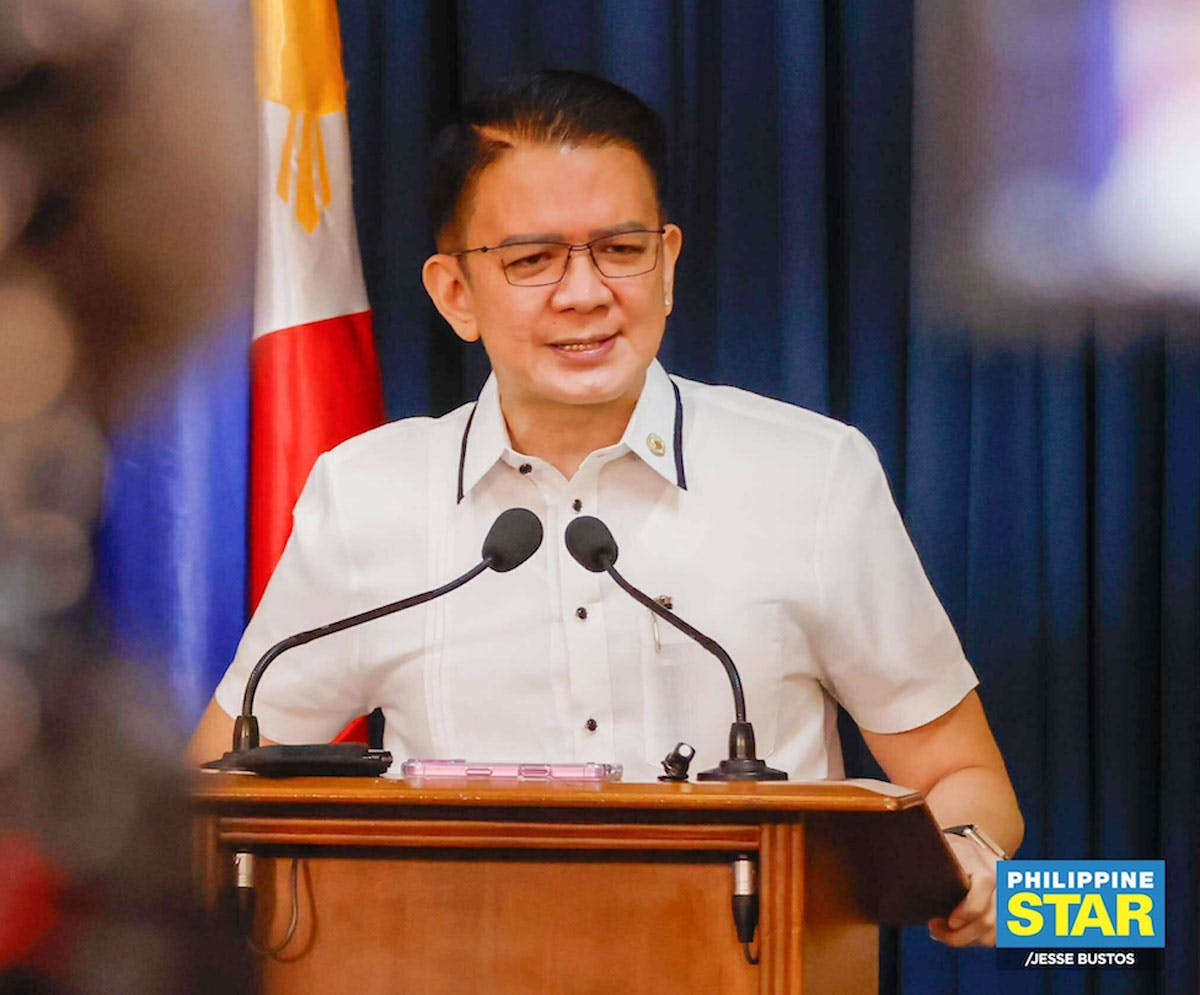
The transition from Zubiri to Escudero was swift and largely orchestrated through a vote of the chamber’s members. Zubiri, who had led the Senate since 2022, resigned his post before the formal motion to replace him was carried out. In his departure speech, he expressed pride in the Senate’s independence during his tenure, though he acknowledged that a majority of his colleagues sought a change in direction. The elevation of Escudero, a veteran legislator, is seen as an attempt to stabilize the chamber’s internal dynamics while navigating the increasingly polarized political landscape in the Philippines, according to coverage by the Al Jazeera network.

The political context of this shake-up is deeply tied to the “UniTeam” alliance that secured the 2022 presidential and vice-presidential victories. That coalition, which brought together the Marcos and Duterte families, has fractured over the past year due to disagreements on foreign policy, specifically regarding the South China Sea, and domestic governance priorities. By removing a leader who maintained ties to the former administration, the Senate’s new leadership structure may signal a more aligned stance with the current Marcos administration’s legislative priorities, as noted by the Philippine Star.
The Impact on Upcoming Legislative Scrutiny
The change in leadership is particularly relevant given the ongoing parliamentary oversight of the Vice President’s office. Sara Duterte, who remains a polarizing figure in the national discourse, has faced criticism regarding the utilization of confidential funds and other budgetary allocations. While the Senate has not initiated a formal impeachment trial, the chamber is responsible for conducting hearings that could impact the political standing of the Vice President. The leadership shift ensures that the Senate President is someone the current administration views as a reliable partner in managing these sensitive political investigations.
Senator Sherwin Gatchalian, who remains a prominent figure within the chamber, has been involved in discussions regarding the chamber’s role in these investigations. The Senate’s investigative committees retain the power to subpoena officials and request documentation related to public spending. As the body prepares for its next session, the focus remains on whether the new leadership will accelerate or moderate the pace of these inquiries. The legal framework governing these investigations is outlined in the 1987 Constitution of the Republic of the Philippines, which grants the legislative branch broad oversight powers.
What Happens Next for the Senate
Following the leadership change, the Senate is expected to resume its regular legislative calendar, with a focus on pending economic bills and national budget preparations. The next major checkpoint for the chamber will be the resumption of committee-level hearings, where the scrutiny of executive departments and offices will continue. Observers are closely watching for any changes in the composition of these committees, as such shifts would provide a clearer indication of the Senate’s long-term legislative strategy under Escudero’s presidency.
Public interest in these proceedings remains high, as the Senate’s actions directly influence the stability of the current political administration. For citizens and stakeholders following these developments, the Senate website provides the most accurate and up-to-date information on pending legislation and hearing schedules. We invite our readers to share their thoughts on these developments in the comments section below or join the conversation on our social media channels as we continue to track the evolving political situation in the Philippines.
Keep reading