Recent discussions surrounding the ongoing conflict in the Middle East have focused heavily on the podcasting space, where commentators examine shifting political landscapes, security dynamics, and regional strategies. A recent episode of PalCast featured a comprehensive conversation analyzing the reality on the ground in Gaza, the implications of expanding Israeli military control, and broader international diplomatic proposals.
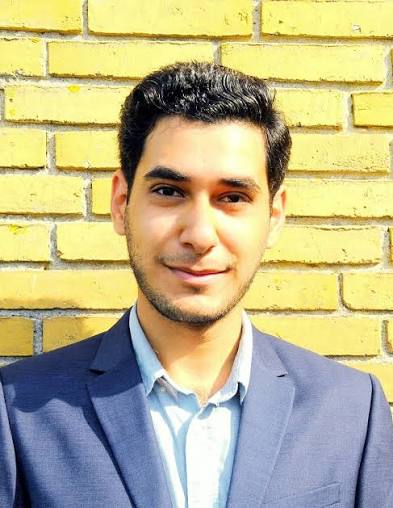
Hosted by Yousef, the episode brought together long-time program collaborator Helena Cobban and political analyst Muhammad Shehada, a commentator originally from Gaza. Together, the panel unpacked the complex political interests driving current policy decisions, the humanitarian and security realities facing civilians, and the wider geopolitical positioning of regional and international powers.
The dialogue provided an in-depth look at how military actions, shifting frontlines, and emerging political structures continue to reshape the future of Palestine. Observers and listeners seeking detailed breakdowns of these regional shifts can access the full conversation across major digital audio platforms, including Apple Podcasts and Spotify.
Assessing Realities in Gaza and the Proposed Board of Peace
A central focus of the discussion was the military strategy unfolding in the Gaza Strip, including Israel’s expanding territorial control and the operational significance of the designated barrier known as the “Yellow Line.” According to the analysts on the program, these developments point toward a deeper entrenchment of military presence rather than a temporary campaign.
The conversation also addressed the controversial international concept of a proposed “Board of Peace.” Speakers examined the political interests underpinning this initiative, questioning whether such external frameworks genuinely address the root causes of the conflict or serve to institutionalize new forms of control. Furthermore, the panel scrutinized reports regarding the creation and support of armed militias within Gaza, evaluating how localized security fragmentation complicates the broader political landscape.
Muhammad Shehada detailed the severe humanitarian toll and the immense pressures confronting everyday residents. The dialogue emphasized that these military and administrative maneuvers are reshaping demographic and territorial realities, leaving little room for traditional governance or civilian recovery.
Escalation in the West Bank and the Palestinian Authority Dilemma
Beyond the coastal enclave, the discussion turned to the West Bank, where speakers highlighted a marked escalation in settler violence and systematic shifts in regional security. The panel noted the growing integration of settler movements into official Israeli military and political structures, a development that analysts argue further blurs the line between state forces and civil infractions.
This deteriorating environment has placed the Palestinian Authority in an increasingly untenable position. The program explored the acute structural challenges facing Palestinian leadership as they navigate shrinking operational space, eroding public trust, and a persistent security crisis. With institutional mechanisms constrained, Palestinian political entities face profound questions regarding representation, legitimacy, and their ability to protect communities under pressure.
The speakers stressed that the compounding crises in both Gaza and the West Bank require a fundamental reassessment of political strategy. Without a unified approach, Palestinian leadership risks remaining reactive to external dictates rather than driving a cohesive national agenda.
Wider Regional Dynamics and International Stakes
The conversation concluded with a wide-ranging examination of wider geopolitical forces involving Iran, the United States, regional Arab governments, and the Houthis. Analysts discussed Tehran’s capacity to project influence and alter the regional security balance amidst shifting perceptions regarding the reliability of United States security guarantees in the Middle East.
As traditional alliances face strain and new alignments take shape, the speakers evaluated what these macro-level shifts mean for the Palestinian cause. The panel argued that Palestinians must develop a proactive, unified strategy capable of sustaining their political struggle while rapidly adapting to evolving international dynamics.
Listeners interested in exploring these multifaceted geopolitical arguments can find the complete discussion on Apple Podcasts and Spotify. As regional actors continue to reposition themselves, expert analyses provide critical context for understanding the long-term trajectory of the conflict and international diplomacy.
Related reading