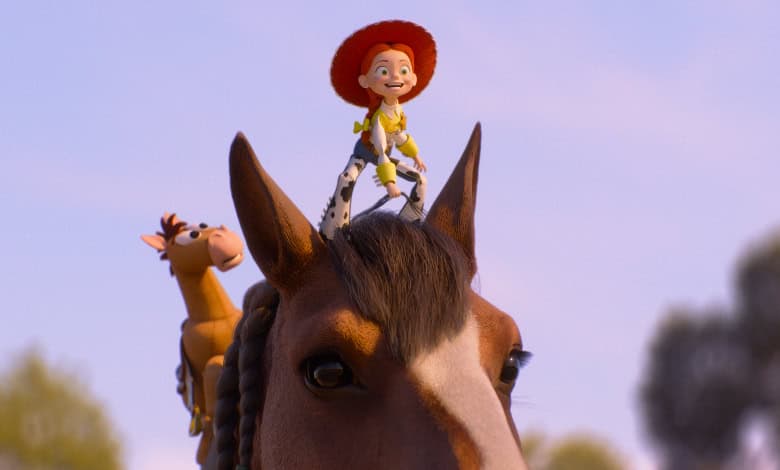
Pixar Animation Studios has officially confirmed that Toy Story 5 is currently in development, marking the next chapter in a franchise that has remained a cornerstone of modern cinema since the release of the original film in 1995. While the series has historically maintained a high standard of critical and commercial success, the announcement of a fifth installment has prompted renewed discussion regarding the longevity of the saga and the potential for diminishing returns in long-running animated franchises. According to official statements from Disney CEO Bob Iger, the studio is moving forward with the sequel as part of a strategy to leverage its most popular intellectual properties.
The Toy Story franchise has long been viewed as an outlier in Hollywood, consistently avoiding the typical decline in quality often associated with multi-sequel series. The original 1995 film, directed by John Lasseter, revolutionized the industry as the first feature-length computer-animated movie. Subsequent entries, including Toy Story 3—which received an Academy Award nomination for Best Picture—and Toy Story 4, continued to perform well at the global box office. However, as production begins on the fifth entry, industry analysts are closely watching whether the narrative can continue to justify its existence or if the series is reaching a natural conclusion.
View this post on Instagram
A post shared by Pixar (@pixar)
The Evolution of Pixar’s Narrative Strategy
Since the studio’s acquisition by The Walt Disney Company in 2006, Pixar has balanced original storytelling with the expansion of established franchises. The decision to pursue Toy Story 5 follows a broader industry trend of prioritizing proven brands in a competitive streaming and theatrical market. According to reporting from Reuters, Bob Iger identified Toy Story alongside Frozen and Zootopia as key pillars for the studio’s future output. For fans and critics, the primary question remains how the studio will maintain the emotional resonance that defined the previous four films.

The challenge for Pixar lies in the inherent tension between commercial necessity and creative integrity. The fourth film, released in 2019, was widely interpreted by audiences as a definitive conclusion to the character arc of Woody, voiced by Tom Hanks. By re-opening the narrative, the studio faces the risk of diluting the impact of earlier installments. Historically, Pixar has navigated these risks by focusing on character-driven stories, but the shift toward franchise-heavy slates has led some industry observers to suggest the studio is relying more heavily on legacy IP than it did during its first two decades of operation.
Technological Advances and Visual Fidelity
One aspect of the Toy Story series that has remained consistently high is its technological execution. From the groundbreaking rendering of the mid-90s to the sophisticated lighting and texture work seen in Toy Story 4, the franchise has served as a technological benchmark for the animation industry. As reported by The Verge, Disney’s recent focus on cost-cutting and restructuring has influenced how the studio approaches development, yet the expectation remains that the technical quality of a tentpole release like Toy Story 5 will remain at the top of the market.

The visual evolution of the series tracks the broader history of CGI. Early entries were limited by the computing power of the era, which necessitated stylized, blocky character designs. Modern installments, however, utilize complex physics engines to simulate realistic fabric, skin, and environmental interactions. While these advancements are significant, they also raise questions about whether the audience’s connection to the characters is based on the spectacle of the animation or the underlying scripts. For many, the franchise’s “magic” has always been rooted in the balance between humor and the poignant reality of toys being outgrown by their owners.
The Future of the Franchise
As production continues, the studio has kept plot details largely under wraps. The uncertainty surrounding the direction of the film has led to speculation about whether the story will focus on legacy characters or introduce a new generation of toys. In the context of the current animation landscape, where competitors like Sony Pictures Animation (with the Spider-Verse series) have pushed the boundaries of visual style, Pixar is under pressure to prove that its flagship series still has something new to offer. The inclusion of new themes—such as the impact of digital distraction on childhood imagination—could provide the thematic depth required to keep the franchise relevant for a contemporary audience.
The next major update regarding Toy Story 5 is expected to come from Disney’s upcoming investor presentations or D23 Expo announcements, where studios typically unveil release dates and casting confirmations. Until then, fans and critics continue to debate the necessity of another sequel. Whether the film succeeds will likely depend on its ability to offer a compelling reason for the toys to return without compromising the emotional closure provided by the previous chapters. For now, the franchise remains a testament to Pixar’s enduring influence on global pop culture.