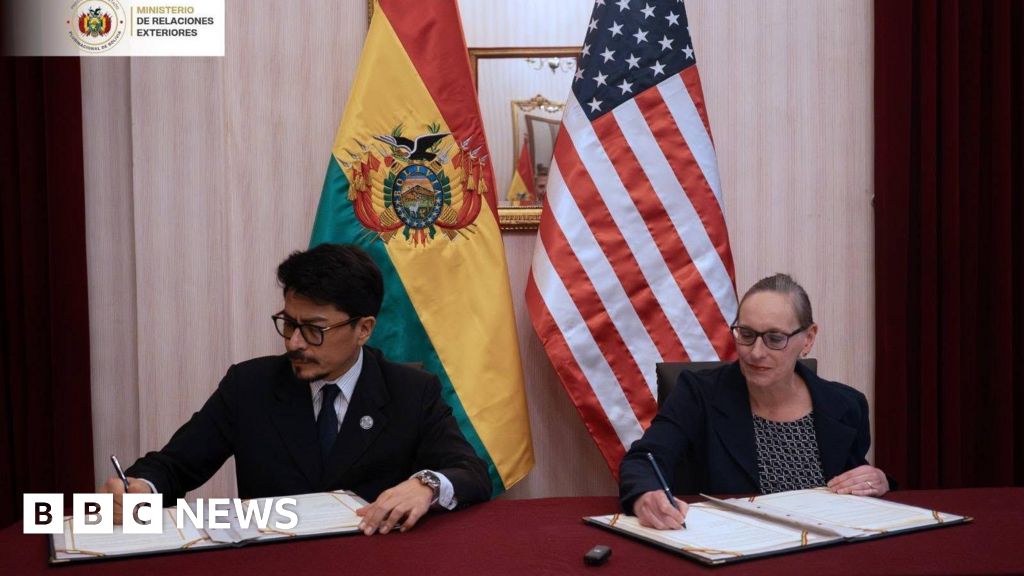
The government of Bolivia has finalized a $20 million agreement with the United States to enhance its operational capacity in the fight against narcotics trafficking and organized crime. This funding, formalized through a letter of agreement signed in La Paz, marks a significant shift in bilateral relations after years of diplomatic cooling between the two nations, according to the U.S. Embassy in Bolivia.
The financial commitment is intended to support the modernization of law enforcement equipment and provide specialized training for Bolivian security forces. While the funds are specifically designated for drug interdiction and the disruption of transnational criminal networks, the move represents a broader effort by the administration of President Luis Arce to recalibrate security cooperation with Washington, as reported by Reuters.
The Scope of the Agreement
The $20 million in funding is structured to provide both technical and tactical assistance to the Bolivian National Police and other relevant agencies. According to the U.S. State Department’s Bureau of International Narcotics and Law Enforcement Affairs, the program emphasizes the improvement of communication systems, forensic capabilities, and border monitoring technology. The agreement is expected to be implemented over a multi-year period, with specific oversight mechanisms to ensure the funds are used strictly for their intended security purposes.

This development follows a period of strained relations that dates back to 2008, when the government of former President Evo Morales expelled the U.S. ambassador and suspended the operations of the U.S. Drug Enforcement Administration (DEA). For over a decade, security cooperation remained minimal, often limited to small-scale humanitarian or development projects. The current agreement signals a pragmatic pivot, as both nations face increasing pressure from regional cartels operating within Bolivia’s borders.
Regional Security Context
Bolivia remains a significant transit country for cocaine produced in the Andean region, particularly for shipments destined for Europe and the Southern Cone. According to the United Nations Office on Drugs and Crime (UNODC), the diversification of trafficking routes has made Bolivia a strategic focal point for international criminal organizations. The increase in local production and the sophistication of smuggling operations have prompted the Bolivian government to seek external technical support.
Analysts suggest that this deal is not merely a financial transaction but a political signal. By engaging with the U.S. on security, the Arce administration is attempting to manage the internal security fallout of organized crime while navigating a complex domestic political landscape. The involvement of U.S. resources is intended to provide the necessary technical edge that local police forces currently lack, particularly in tracking digital communications and managing logistics in difficult terrain.
What Happens Next
The implementation phase of the agreement will involve a series of joint assessments to determine the specific equipment and training needs of the Bolivian units involved in the crackdown. The U.S. Embassy in La Paz has indicated that further updates regarding the disbursement of funds and the commencement of training programs will be published through official government channels. Observers will be monitoring whether the influx of U.S. aid leads to a measurable increase in drug seizures and arrests of high-level cartel leaders within the next 18 to 24 months.
/cityscape-of-the-los-angeles-skyline-at-dusk-los-angeles-california-united-states-of-america-north-america-530065311-57924bb33df78c17348ace09.jpg "What Happens Next")
For those tracking international policy developments, official briefings on the status of this aid package can be found on the U.S. Embassy in Bolivia official website. We invite our readers to share their perspectives on this shift in regional security cooperation in the comments section below.