
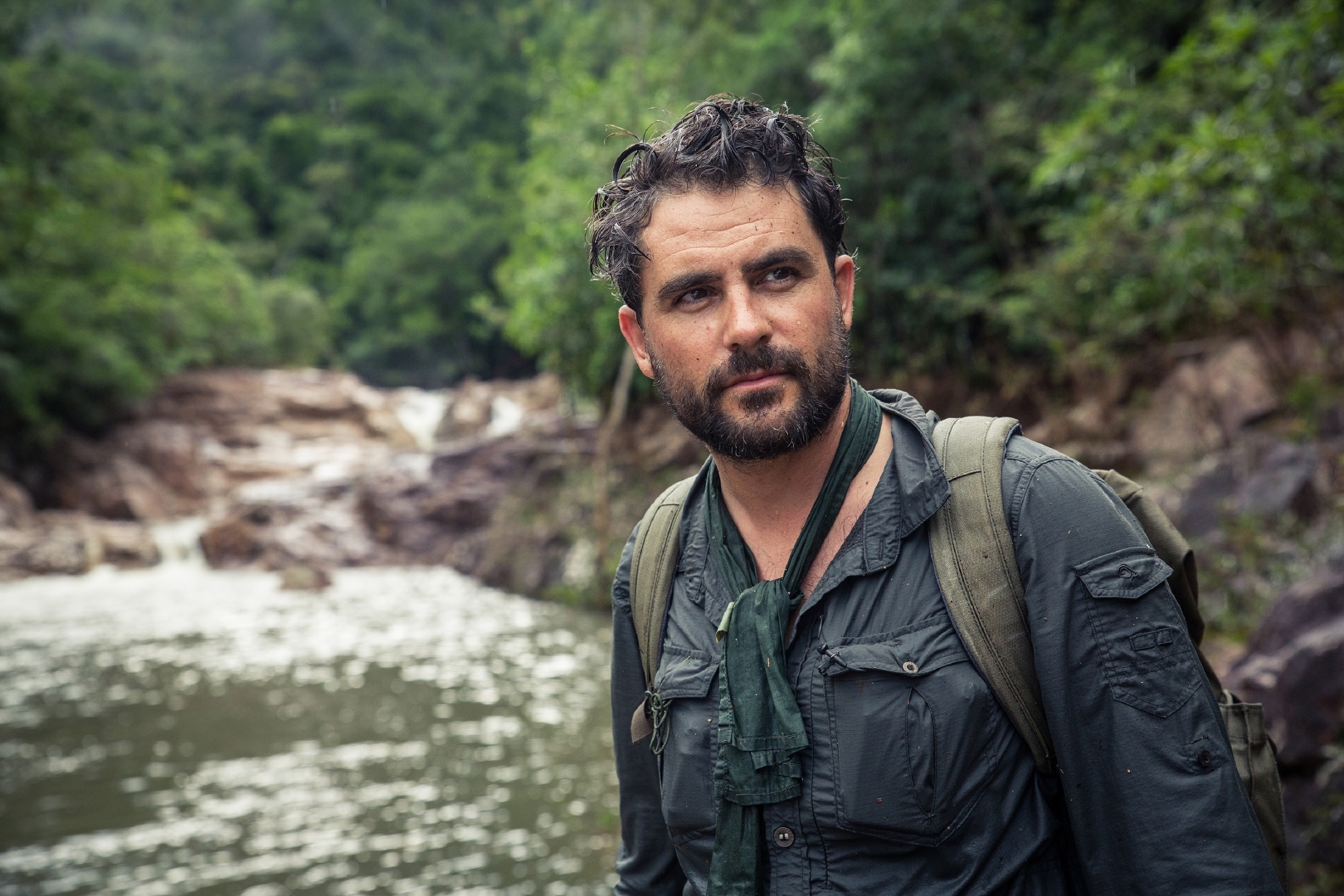
British television adventurer and former army officer Levison Wood has spoken publicly about a prolonged stalking ordeal that forced him to change his daily routines and heightened his personal security concerns. Despite his extensive experience navigating remote environments, including service in Afghanistan and traversing the Himalayas, Wood described the persistent attention from an individual as a situation that left him consistently looking over his shoulder.
The experience, which Wood detailed in recent interviews, highlights the growing concern regarding the safety of public figures who often share their travels and locations with a global audience. According to reports, the harassment involved persistent contact that breached professional boundaries, compelling the explorer to take precautionary measures to ensure his safety and that of those around him.
The Impact of Persistent Harassment on Public Figures
For Levison Wood, known for his long-distance walking expeditions and survival documentaries, the transition from managing physical risks in the wilderness to addressing a targeted security threat represented a significant shift in his life. Stalking, legally defined in the United Kingdom under the Protection from Harassment Act 1997, involves a course of conduct that causes another person to fear that violence will be used against them or causes serious alarm or distress.
Wood’s experience underscores a broader vulnerability faced by high-profile individuals in the digital age. When adventurers and media personalities document their journeys, they inadvertently provide a roadmap of their whereabouts. Security experts often advise that public figures maintain a degree of separation between their professional output and their private lives, though this remains challenging for those whose work is inherently tied to their personal presence and storytelling.
Understanding Stalking Laws and Victim Support
In the United Kingdom, the legal system provides specific mechanisms for victims of stalking to seek protection, including the application for Stalking Protection Orders (SPOs). As noted by the Crown Prosecution Service (CPS), these orders are designed to address stalking behavior at an early stage, even before a criminal conviction is secured, by imposing restrictions on the perpetrator’s behavior.
For individuals facing similar situations, official guidance from law enforcement agencies emphasizes the importance of documentation. Keeping a log of all incidents—including dates, times, and the nature of the contact—is vital for police investigations. The Suzy Lamplugh Trust, a leading charity in the UK dedicated to personal safety and stalking advocacy, provides resources for victims to understand their rights and the legal pathways available to mitigate risks.
Security Measures for Professionals in the Public Eye
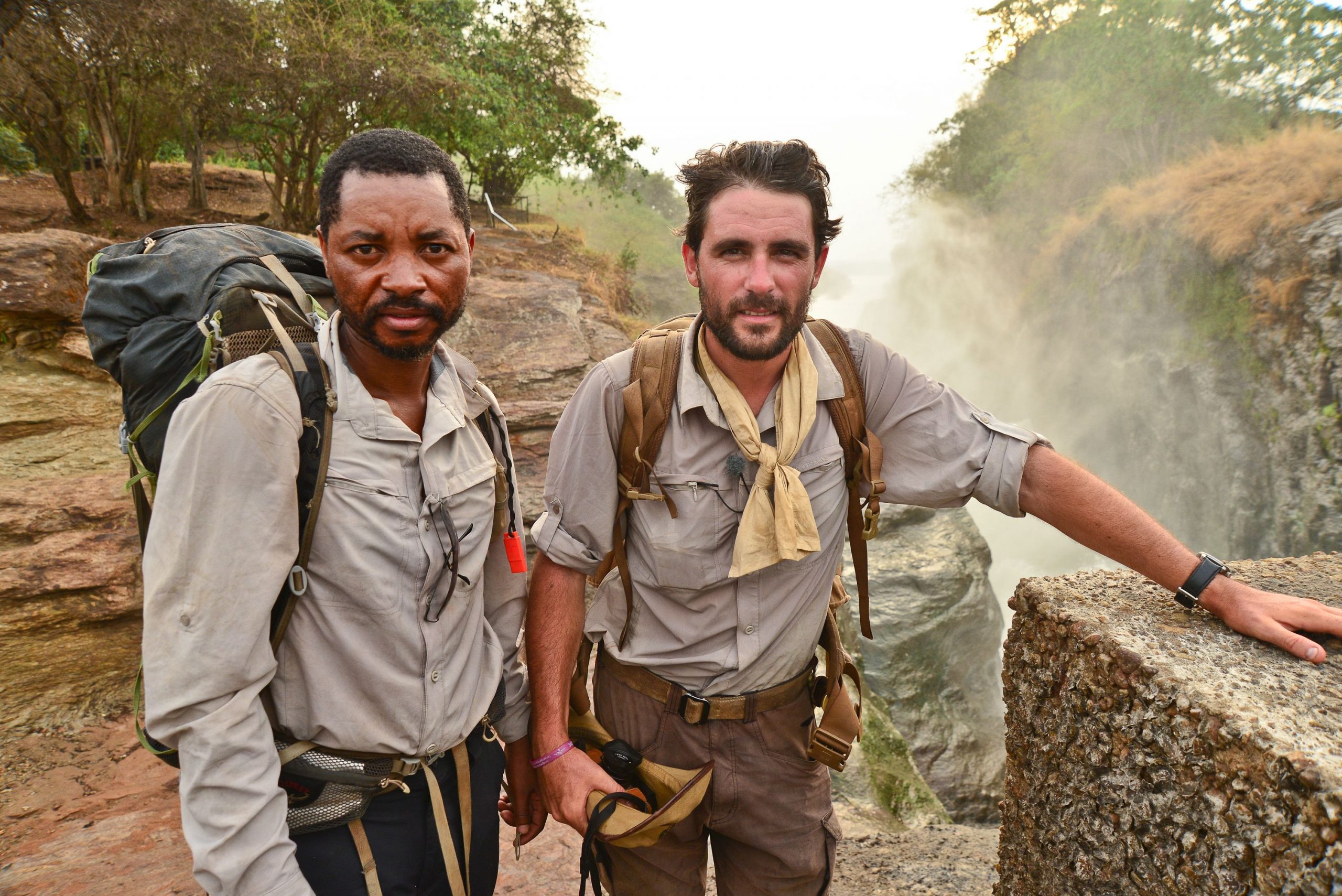
Wood’s career has taken him through some of the most dangerous and physically demanding regions on the planet. From his military service in the Parachute Regiment to his documented expeditions along the Nile and through the Caucasus, he has developed a high threshold for physical adversity. However, as he has noted in past reflections, the nature of stalking introduces a psychological element that differs significantly from the environmental hazards he encountered in the field.
Industry standards for managing the safety of public figures now frequently involve a multi-layered approach:
- Digital Footprint Management: Delaying the sharing of location-based content on social media to ensure that posts are published after the individual has moved on from a specific site.
- Professional Security Consultations: Engaging risk management firms to assess vulnerabilities in residential and travel security.
- Legal Interventions: Working with legal counsel to issue cease-and-desist notifications or to secure court-ordered injunctions when harassment persists.
What Happens Next?
As of the most recent public updates, Wood has continued his professional engagements, though he has adopted a more guarded approach to his public communications. There have been no further reports of legal proceedings or specific developments regarding the individual involved in his case.
Victims of stalking or harassment are encouraged by the National Police Chiefs’ Council to report incidents to local authorities immediately. If you or someone you know is in immediate danger, contact emergency services. For non-emergency support and advice on how to handle persistent unwanted contact, the National Stalking Helpline remains an essential resource for those seeking a path forward.
If you have thoughts on the intersection of public life and personal privacy, or if you would like to share your perspective on this report, please join the conversation in the comments section below.
Related reading