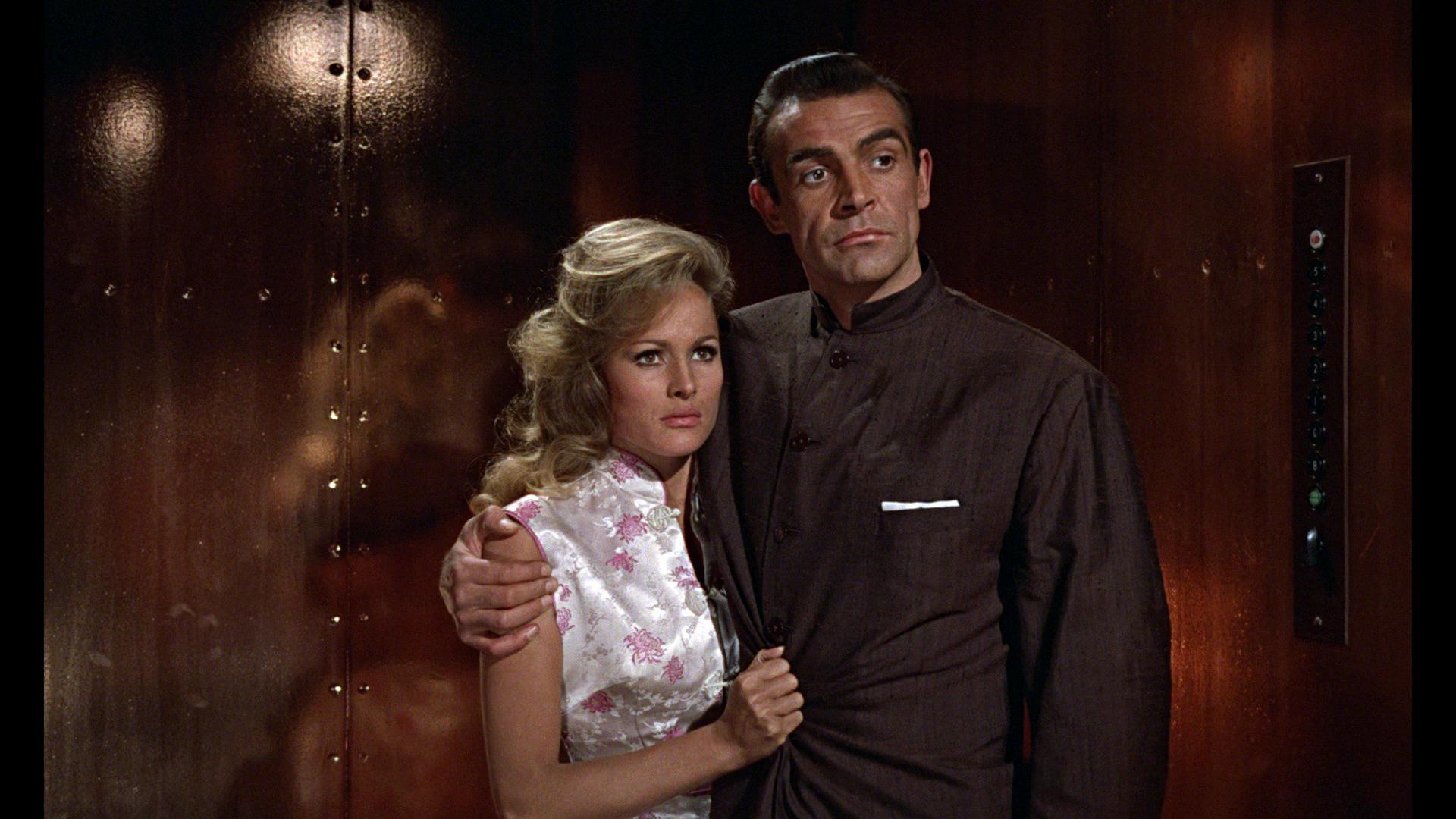
Collectors and film enthusiasts are increasingly turning to online marketplaces to source rare memorabilia from the 1962 spy classic Dr. No, the film that launched the cinematic legacy of James Bond. Original promotional photographs featuring Sean Connery and Ursula Andress remain among the most sought-after items in the espionage genre, frequently appearing in specialized auctions and vintage photography sections of digital trade platforms.
The cultural impact of Dr. No, directed by Terence Young and distributed by United Artists, established the template for the longest-running film franchise in history. According to the British Film Institute (BFI), the film’s release on October 5, 1962, in London introduced audiences to Ian Fleming’s literary character through the definitive screen portrayal by Sean Connery. The iconic image of Ursula Andress emerging from the sea as Honey Ryder remains one of the most recognized moments in cinema, consistently driving demand for high-quality, period-accurate production stills.
The Market for Vintage Bond Memorabilia
The secondary market for James Bond artifacts, particularly those related to the first film, is driven by the scarcity of “original” promotional materials. Unlike modern digital assets, vintage photographs from the 1960s were often printed in limited runs for cinema lobby displays or press kits. Authentication of these items is critical for collectors, as the market is flooded with later reprints and commemorative editions.
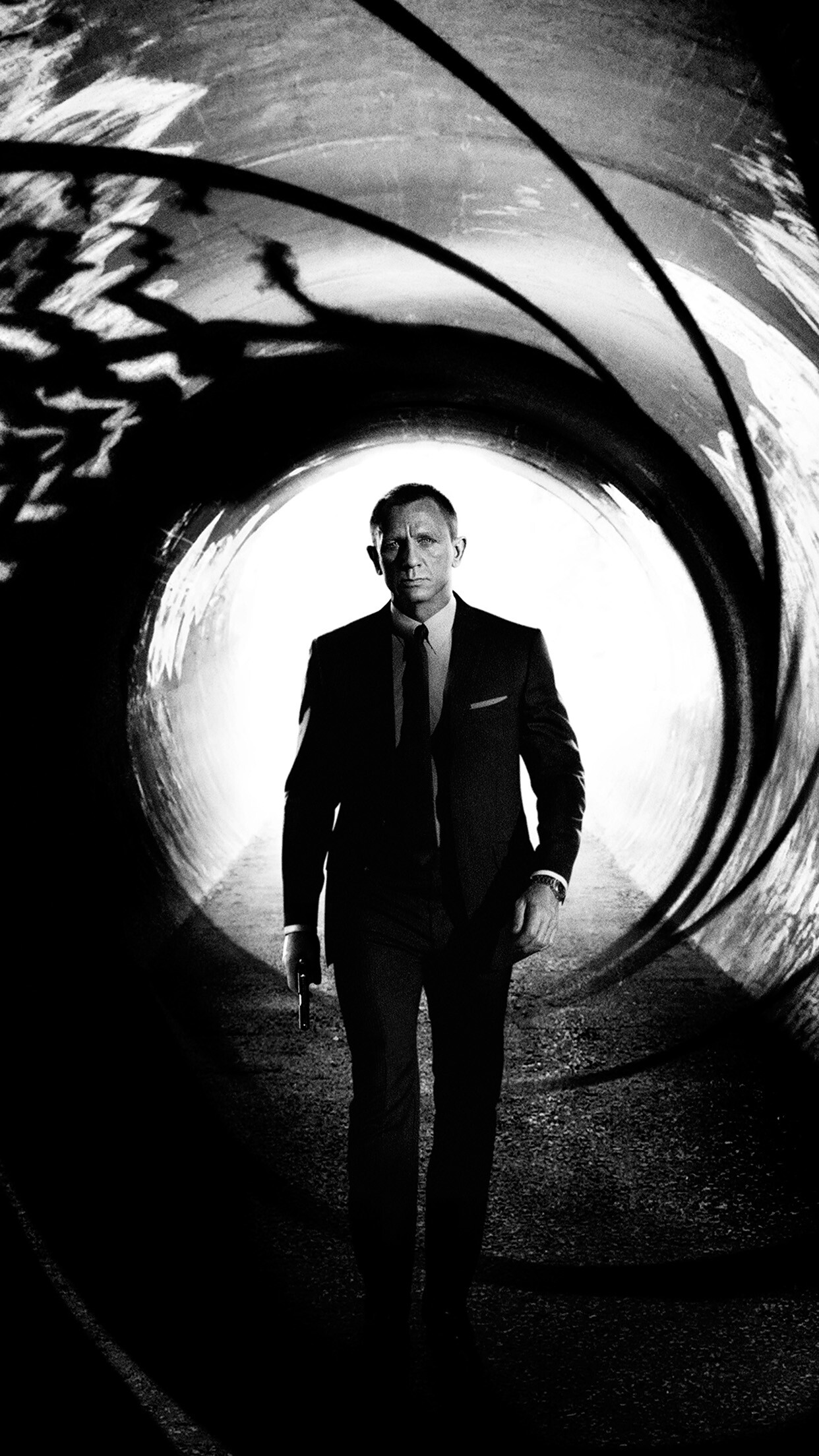
Expert appraisal typically focuses on the physical characteristics of the paper, the chemical composition of the photographic emulsion, and the presence of studio stamps or production codes on the reverse side. The official 007 archives note that the production of Dr. No took place on a relatively modest budget of approximately $1 million, a figure that contrasts sharply with the hundreds of millions invested in contemporary iterations of the series. This humble beginning contributes to the historical allure of early promotional assets, which serve as tactile links to the mid-century origins of the franchise.
Establishing Provenance and Authenticity
For those interested in purchasing original photographs from Agente 007 contra el doctor no—the Spanish-language title for the film—verifying the source is the primary step in ensuring the value of the acquisition. Collectors often look for “single-weight” or “double-weight” fiber-based paper, which was standard for studio photography in the early 1960s.
According to auction house guidelines, such as those published by Christie’s Pop Culture department, the provenance of an item—its documented history of ownership—is the most reliable indicator of authenticity. Buyers are encouraged to request high-resolution scans of both the front and back of any photograph to check for watermarks, copyright notices, or distributor information that would confirm the item’s origin as a theatrical release material rather than a later reproduction.
Why Early Bond Imagery Retains Value
The enduring appeal of the 1962 film lies in its foundational status. By establishing the visual language of the Bond universe—the tuxedos, the gadgets, and the exotic locales—Dr. No set a standard that later films, such as Goldfinger or Skyfall, would refine. The synergy between Sean Connery’s performance and the production design created an aesthetic that remains a cornerstone of 20th-century pop culture.
Collectors and historians often emphasize that the value of these items is not merely aesthetic but historical. As noted by the Academy of Motion Picture Arts and Sciences, original production photography captures the raw, unedited atmosphere of a film set, often providing insights into lighting and staging techniques that have since been superseded by digital processes. These artifacts are considered primary sources for researchers documenting the evolution of action cinema and the rise of the global blockbuster.
Next Steps for Collectors
Prospective buyers should monitor major auction houses and reputable online platforms for upcoming sales of mid-century film memorabilia. It is advisable to consult with established dealers who provide certificates of authenticity (COA) for high-value purchases. For those tracking the value of specific items, the next significant industry reports on film memorabilia market trends are expected to be released by major auction houses at the close of the current fiscal year.

Readers are invited to share their experiences in collecting vintage film photography or to comment on the enduring influence of the original 1962 production in the section below.
Related reading