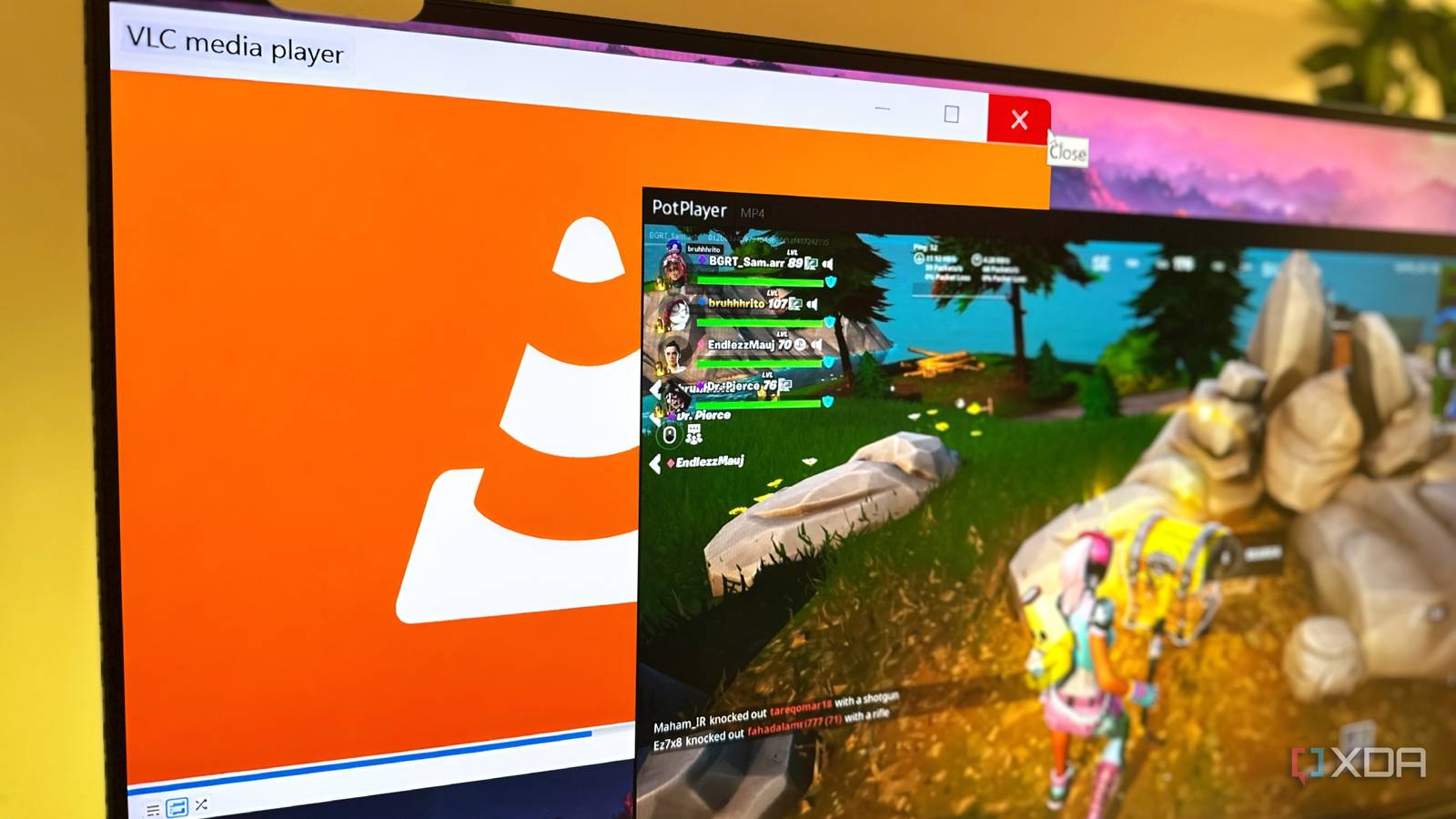
For two decades, the VideoLAN Client—widely known as VLC—has served as the default media player for millions of users, but a growing number of enthusiasts are transitioning to modern alternatives that prioritize cloud integration and high-fidelity streaming. While the open-source platform remains a staple for local file playback, the shift toward cross-platform synchronization and minimalist design has prompted power users to explore newer software solutions that offer more seamless hardware acceleration and interface customization.
As a technology journalist with a background in software engineering, I have relied on VLC since its early releases, often installing it as a primary utility on every new Windows workstation. The application’s reputation for stability and its ability to handle virtually any codec without requiring additional plugins, as documented by the VideoLAN organization, established a level of trust that few other media players have successfully replicated since the early 2000s.
The Evolution of Media Consumption
The decision to move away from a long-standing utility like VLC is rarely about performance failures. According to the official VideoLAN project history, the software was initially released in 2001, providing a robust, non-proprietary solution at a time when proprietary media formats were highly fragmented. However, the current landscape of digital media consumption has changed, with users now demanding cloud-native features and integrated streaming services that were not part of the original design philosophy.

Modern alternatives such as IINA for macOS or MPV-based players have gained significant traction by offering cleaner user interfaces that adhere to modern design languages. Unlike VLC, which maintains a legacy-heavy codebase to ensure compatibility with older operating systems, these newer players focus on hardware-specific optimization, such as native support for Apple Silicon or advanced GPU-based decoding for high-bitrate 4K content.
Why Users Are Seeking Alternatives
The primary driver for this transition is the demand for a “unified” media experience. While VLC is arguably the most versatile player regarding file format support—including rare or legacy codecs—it lacks the deep integration with streaming platforms and sophisticated library management features found in specialized software. Data from the project’s GitHub repository shows that while development remains active, the focus remains primarily on core playback stability rather than modern UI/UX trends.

For users who manage large digital libraries, the transition often involves moving to tools that provide automatic metadata fetching, high-resolution album art, and multi-device synchronization. While VLC can be configured to act as a server, it does not offer the out-of-the-box convenience of modern media management systems. This gap between “playback utility” and “media management ecosystem” is where newer apps are finding their niche.
Evaluating Modern Player Capabilities
When choosing a replacement, the criteria for most power users involve three key metrics: resource utilization, codec support, and interface fluidity. According to benchmarks tracked by the MPV player project, lightweight players that utilize modern graphics APIs often exhibit lower CPU overhead during the playback of high-efficiency video coding (HEVC) files compared to older, monolithic media players.

The following table illustrates the conceptual differences between the legacy “all-in-one” approach of VLC and the specialized focus of modern players:
| Feature | VLC Media Player | Modern Alternatives |
|---|---|---|
| Codec Support | Extensive (Native) | High (via FFmpeg) |
| UI Philosophy | Function-First (Legacy) | Design-First (Minimalist) |
| Library Management | Basic/Manual | Automated/Cloud-Integrated |
What Happens Next for Media Software
The future of media playback appears to be shifting toward modularity. As reported by VideoLAN’s periodic updates, the team is working on the next major iteration, VLC 4.0, which promises a significantly overhauled interface and improved library navigation. This update aims to address many of the criticisms regarding the current UI, potentially retaining users who are currently considering a switch.
For those looking to stay informed on the development of VLC 4.0, the official release notes page remains the most authoritative source for tracking upcoming features and beta testing opportunities. Users who find that their current media player no longer meets their needs are encouraged to monitor these updates before committing to a full migration, as the landscape of open-source software is dynamic and subject to frequent improvements.
Have you transitioned to a different media player, or does VLC still serve as your primary tool? Please share your experiences and the specific features that influenced your decision in the comments section below.
Related reading
- Capybaras Visit Mato Grosso State Legislature in Cuiabá, Brazil
- Ghost Recon Wildlands Gets Free 60 FPS and 4K Update for PS5 and Xbox Series X/S
- Why Museums Still Ban Your Camera Flash, Even Though It's Harmless (daybreakwire.com)
- Houston vs. Austin: Media Market Data Analytics Comparison (archynewsy.com)