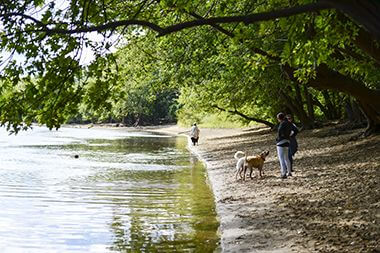
The Minneapolis Park and Recreation Board voted 8-1 on Wednesday to permanently close the Minnehaha Off-Leash Dog Park, citing the site’s historical and spiritual significance to the Dakota people. The decision follows years of advocacy from tribal leaders who identified the area as sacred land that should be preserved rather than used for recreational pet activity, according to the Minneapolis Park and Recreation Board.
The closure of the popular facility, located within the larger Minnehaha Regional Park, marks a significant shift in how the city manages land use in areas of cultural sensitivity. The board’s resolution directs staff to begin the process of decommissioning the off-leash area, which has served as a designated space for dog owners since the 1990s. The move is part of a broader effort by the municipality to address historical grievances and recognize the ancestral presence of Indigenous communities in the Twin Cities region, as reported by the Star Tribune.
Historical Significance and Tribal Consultation
The decision to shutter the dog park stems from formal requests made by Dakota community members and tribal representatives. According to the official minutes and press releases from the Minneapolis Park and Recreation Board, the land is considered sacred due to its proximity to Minnehaha Falls and its role in the cultural history of the Mdewakanton Dakota. Tribal leaders argued that the presence of unleashed dogs and the associated human activity were incompatible with the respectful use and preservation of a site tied to ancestral burials and traditional ceremonies.

The Park Board’s engagement process included consultations with tribal elders and community advocates who emphasized that the park’s current designation caused ongoing distress. By prioritizing the restoration of the site’s cultural integrity, the board effectively moved to mitigate what officials described as a long-standing conflict between public recreation and Indigenous land stewardship. This action aligns with the board’s recent policy initiatives aimed at increasing tribal representation in park planning and land management decisions.
What Happens Next for Park Users
The immediate impact of the vote is the beginning of a decommissioning phase for the Minnehaha Off-Leash Dog Park. While the exact timeline for the removal of fencing and signage has not been fully finalized, the board has indicated that the transition will occur in stages to allow for public awareness and community adjustment. Regular users of the park are encouraged to monitor the Minneapolis Park and Recreation Board’s official portal for updates on site access and the removal of park infrastructure.

The closure leaves dog owners in the area searching for alternative facilities. The city maintains several other designated off-leash areas, including those at Lake of the Isles and Franklin Terrace. City officials have noted that they are evaluating the capacity of these remaining sites to absorb the displaced traffic from Minnehaha, though no immediate expansion of those facilities was announced during the meeting. The board remains under pressure to balance the needs of pet owners with the city’s commitment to cultural preservation and land-use equity.
Understanding the Broader Policy Shift
The decision to close the Minnehaha site is not an isolated event but part of a wider trend in urban planning across the United States. Municipalities are increasingly re-evaluating the use of public lands that were historically occupied by Indigenous populations before European settlement. According to the National Park Service, land acknowledgment and the return of stewardship rights are becoming central components of modern parks management. By acting on the specific requests of the Dakota community, the Minneapolis Park Board has set a precedent for how other city-owned spaces with similar historical profiles may be managed in the future.

Critics of the closure have raised concerns about the loss of recreational space in a city where demand for off-leash areas remains high. During the public hearing, some residents expressed frustration over the reduction in accessible park land for pet owners. However, the board’s final vote demonstrated a clear majority favoring the prioritization of the site’s cultural heritage over existing recreational uses. The resolution passed with an 8-1 margin, reflecting a consensus among the commissioners that the historical importance of the site outweighs the convenience of maintaining the current dog park configuration.
The next scheduled step in this process is the decommissioning of site-specific infrastructure, which is expected to be managed by the parks department’s operations staff over the coming months. Residents interested in providing feedback on the future of the vacant space or seeking information on alternative dog park locations can attend the upcoming board meetings or submit comments through the official municipal website. We invite our readers to share their thoughts on how cities should balance recreational needs with cultural preservation in the comments section below.
Related reading