Hong Kong Exchanges and Clearing (HKEX) has announced plans to launch five-year Chinese Treasury bond futures, marking a significant step in the expansion of China’s capital market derivatives. The proposed launch, targeted for August 3, 2026, aims to provide international investors with a standardized tool for managing interest rate risk associated with their holdings of Chinese sovereign debt, according to official statements from the exchange and regulatory authorities.
This development follows ongoing efforts by the China Securities Regulatory Commission (CSRC) and the People’s Bank of China (PBOC) to facilitate cross-border investment and enhance the liquidity of the offshore renminbi market. By introducing a hedging mechanism for five-year government bonds, regulators intend to bolster the appeal of renminbi-denominated assets for institutional investors globally. The move is viewed by market analysts as a strategic component of the broader push toward renminbi internationalization, providing a more robust infrastructure for foreign participants who have increasingly accessed the mainland bond market through schemes like Bond Connect, as reported by the China Daily.
Strategic Role of Treasury Bond Futures in Risk Management
The introduction of five-year Chinese Treasury bond futures in Hong Kong addresses a long-standing demand from international portfolio managers. As China’s bond market continues to grow in size and complexity, the ability to hedge against interest rate volatility has become essential for risk-adjusted returns. Currently, foreign investors hold a significant portion of Chinese sovereign debt, yet the limited availability of offshore hedging tools has historically constrained active trading strategies.
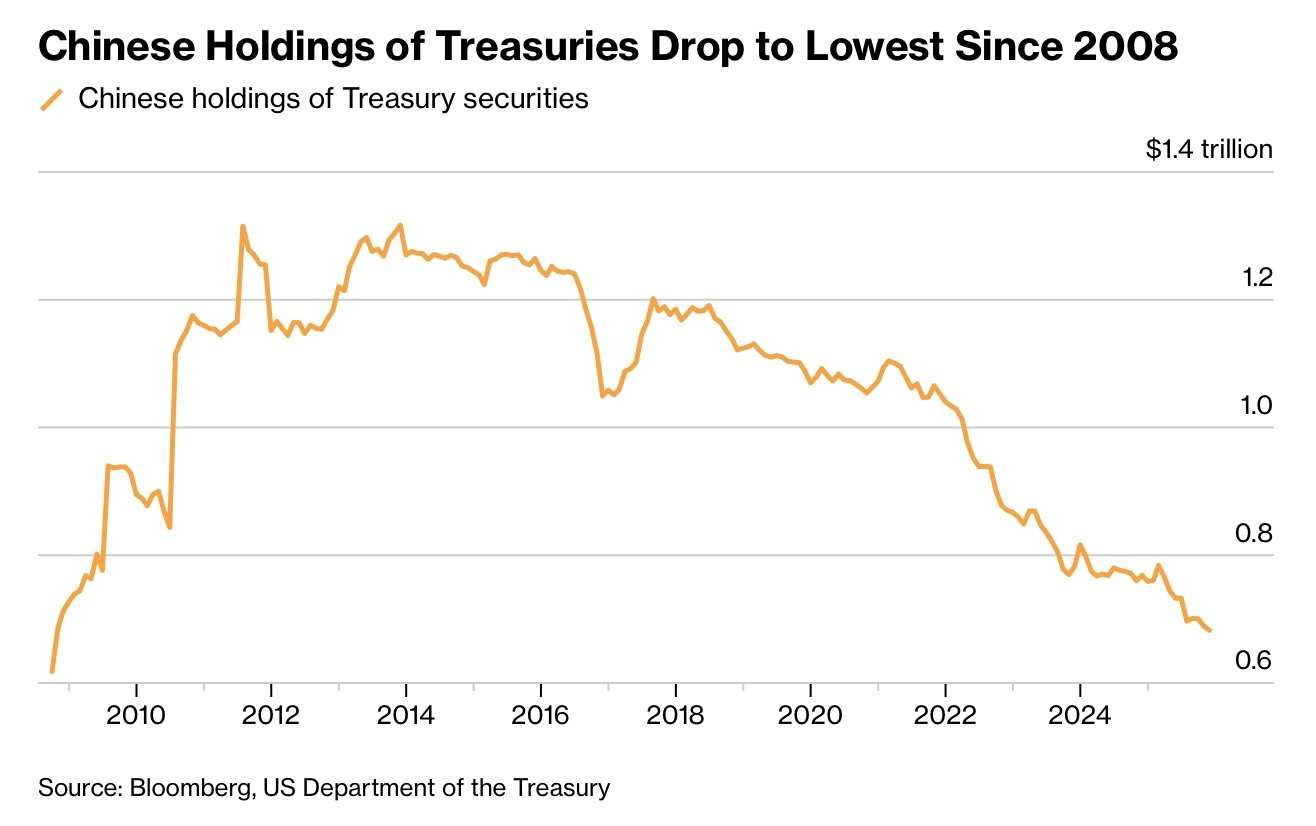
According to guidance from the China Securities Regulatory Commission, the initiative is designed to support “lawful and compliant cross-border investment activities.” The futures contract will serve as a derivative instrument that allows investors to lock in prices or hedge against potential losses, mirroring the function of established bond futures markets in developed economies. For global institutions, this represents a transition from a “buy-and-hold” approach to a more active, dynamic management of renminbi-denominated fixed income portfolios.
Regulatory Alignment and Market Infrastructure
The collaboration between the HKEX, the PBOC, and the CSRC reflects a synchronized regulatory approach to deepening the offshore renminbi ecosystem. By centering these derivatives in Hong Kong, authorities are leveraging the city’s status as a global financial hub with established clearing and settlement protocols. This alignment is critical, as it ensures that the futures market operates under a transparent, internationally recognized regulatory framework while maintaining a direct link to the mainland’s underlying debt securities.
Representatives from the Securities and Futures Commission (SFC) have emphasized that the renminbi has become a vital option for global portfolio diversification. The launch of the five-year futures is not merely a technical upgrade; it is a policy signal that Beijing remains committed to opening its financial markets to international capital. By offering a standardized, exchange-traded product, the HKEX reduces counterparty risks associated with over-the-counter (OTC) derivatives, providing a safer environment for global funds to allocate capital into Chinese bonds.
Impact on Renminbi Internationalization
The broader context for this launch is the ongoing effort to increase the global usage of the renminbi. As the currency gains traction in international trade and reserve holdings, the infrastructure to support its circulation must evolve. Treasury bond futures are widely considered a “pillar” of a mature financial market, as they provide the necessary yield curve benchmarks that allow for the pricing of other financial products.
Financial observers note that while the move is a positive development for market maturity, the success of the contract will depend on liquidity and the participation of major institutional players. The People’s Bank of China has previously indicated that it views the development of offshore financial products as a natural evolution of the mainland’s integration with global markets. By providing this tool, Hong Kong reinforces its position as the primary gateway for foreign capital entering China, a role that remains central to the city’s economic strategy.
What Happens Next for Investors
As the August 3, 2026, date approaches, market participants should monitor technical specifications and margin requirements to be released by the HKEX. Regulatory authorities are expected to provide further clarity on eligibility criteria for international participants, as well as the specific clearing arrangements that will link the Hong Kong futures market with the mainland’s bond clearinghouses. Investors are encouraged to review the official HKEX circulars for updates on product design and risk management guidelines as the launch date nears.

The success of this initiative will be measured by the contract’s trading volume and the diversity of its participant base. As the financial community prepares for this new instrument, the focus remains on how effectively these futures will bridge the gap between global risk management standards and the specific characteristics of the Chinese sovereign debt market. Readers can follow further updates through the official channels of the HKEX and the relevant regulatory bodies in Hong Kong and Beijing.