
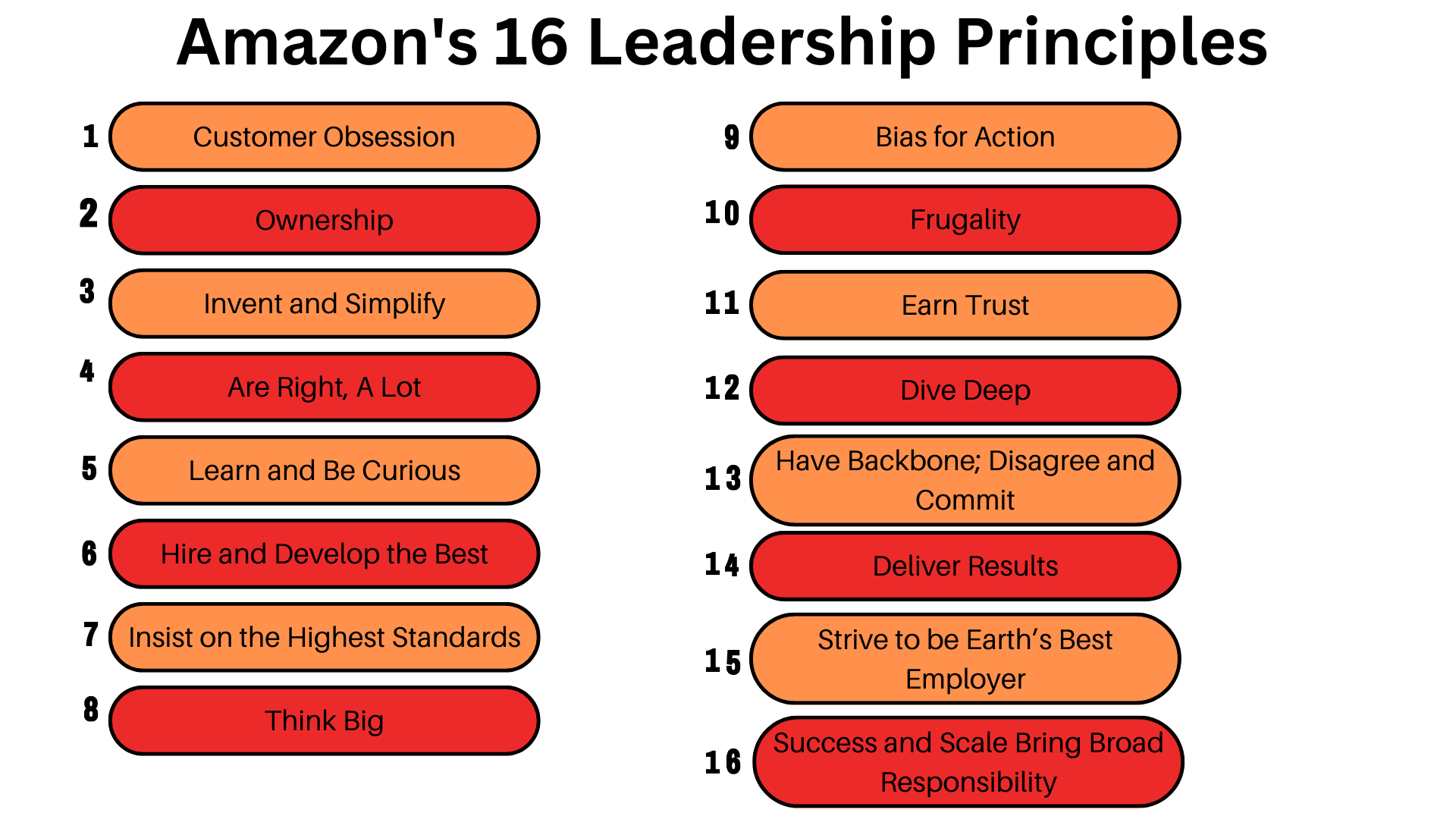
Securing a position at Amazon requires candidates to demonstrate how their professional experiences align with the company’s 16 core Leadership Principles, a proprietary framework that serves as the foundation for its hiring and performance evaluation processes. Prospective employees must move beyond traditional technical assessments to provide evidence-based narratives that illustrate how they have applied these principles to solve complex problems, drive innovation, and deliver results under pressure, according to the official Amazon Jobs portal.
As the recruitment landscape evolves toward 2026, the emphasis remains on the “STAR” method—Situation, Task, Action, Result—which remains the gold standard for structuring responses during behavioral interviews. Understanding these principles is not merely a preparation exercise but a requirement for candidates to articulate their decision-making processes when faced with high-stakes operational challenges.
Understanding the Amazon Hiring Philosophy
Amazon’s hiring process is unique in its rigid adherence to its Leadership Principles, which include mandates such as “Customer Obsession,” “Ownership,” and “Invent and Simplify.” Unlike firms that prioritize general cultural fit, Amazon utilizes these principles to evaluate specific behavioral traits. According to the company’s interview preparation guidelines, every interviewer is tasked with assessing a candidate against these benchmarks to ensure long-term alignment with the company’s operational culture.
For candidates, this means that technical proficiency is only the starting point. The interviewers, often referred to as “Bar Raisers,” are trained to look for individuals who can demonstrate a history of taking initiative without being told and a willingness to prioritize long-term value over short-term gains. This focus on “Ownership” is a frequent point of discussion in professional development literature, as it differentiates Amazon’s expectations from those of other major technology corporations that may emphasize role-specific tasks over holistic business impact.
Mastering the STAR Method for 2026
To succeed in 2026, candidates must refine their storytelling to be both concise and data-driven. The STAR method ensures that each answer provides a structured view of the candidate’s capability. The “Situation” should be brief, the “Task” clearly defined, the “Action” must focus on what the candidate specifically did rather than what the team did, and the “Result” should ideally include quantifiable metrics.

When preparing, it is effective to map at least two distinct professional stories to each of the 16 Leadership Principles. This prevents the common pitfall of repeating the same anecdote for different questions. According to industry career guidance published by Harvard Business Review, the ability to pivot and provide specific, measurable outcomes is the single most significant factor in candidate success during behavioral-based assessments. By quantifying the impact of an action—such as reducing latency by 15% or increasing efficiency by 20%—a candidate provides the objective evidence required by Amazon’s interviewers.
The Role of the “Bar Raiser”
A distinctive feature of the Amazon interview process is the “Bar Raiser,” a neutral interviewer from a different department who has no stake in the hiring decision for the specific role. Their primary objective is to ensure that every new hire is better than 50% of the current employees in that role, thereby “raising the bar.”
This neutral party holds veto power, making them the most critical person in the evaluation chain. Their questions often focus on the candidate’s ability to handle conflict, learn from failure, and maintain high standards. Candidates should prepare for deep-dive questions that challenge the logic of their previous decisions. As noted by the Amazon corporate site, the principles are not just slogans; they are the framework for every debate and decision within the company, and the Bar Raiser is tasked with verifying that a candidate can navigate these principles in real-time.
Practical Strategies for Long-Term Success
Beyond interview techniques, candidates must stay informed about the company’s current priorities. As of 2026, Amazon has continued to emphasize its commitment to sustainability and artificial intelligence integration, which are increasingly reflected in the scenarios posed during interviews. Candidates who research how these themes intersect with the Leadership Principles—such as “Deliver Results” in the context of AI efficiency—often display a higher level of preparation.

Candidates are encouraged to utilize official resources, such as the Amazon Interview Tips page, to understand the expectations for virtual versus in-person assessments. Consistency, honesty, and a clear articulation of one’s thought process remain the most reliable predictors of success. For those interested in tracking changes to these processes, Amazon regularly updates its career portal with new documentation and guidance for applicants.
As the recruitment cycle continues, applicants should monitor official company announcements for updates to the interview structure. Engaging with professional networks for peer-reviewed mock interviews can also provide valuable feedback on how effectively one is communicating these principles. Readers are encouraged to share their experiences or questions regarding the interview process in the comments section below.
Worth a look