In Herzogenrath, Germany, the story of 39-year-old Anne Rüben and nine-year-old Tim, who lives with Down syndrome (Trisomy 21), has drawn attention to the realities of raising children with genetic conditions. As a physician and journalist, I have observed that while medical advancements in prenatal diagnostics have increased the precision of detecting chromosomal variations, the societal conversation surrounding these results remains deeply complex. According to data from the Federal Statistical Office of Germany, the decision-making process for parents following a prenatal diagnosis is multifaceted, involving personal, ethical, and support-related considerations.
The bond between Rüben and Tim, often described in local reports as an “ersatzmama” or surrogate mother-like relationship, highlights the importance of social support structures for families navigating life with Down syndrome. While clinical diagnostics provide medical information, the lived experience of families is often shaped by the availability of inclusive education, therapeutic support, and community acceptance. In Germany, the legal framework regarding prenatal testing and the subsequent counseling processes is governed by the Pregnancy Conflict Law (Schwangerschaftskonfliktgesetz), which mandates that women receive open-ended, nondirective counseling if they choose to pursue diagnostic procedures.
Understanding Trisomy 21 and Prenatal Diagnostics
Trisomy 21, or Down syndrome, occurs when an individual has a full or partial extra copy of chromosome 21. This genetic variation affects physical and cognitive development to varying degrees. Modern medicine offers non-invasive prenatal tests (NIPT), which are blood tests that screen for chromosomal conditions. The Federal Joint Committee (G-BA), the highest decision-making body of the joint self-government of physicians, dentists, hospitals, and health insurance funds in Germany, integrated NIPTs into the standard catalog of statutory health insurance in 2022 under specific medical conditions.
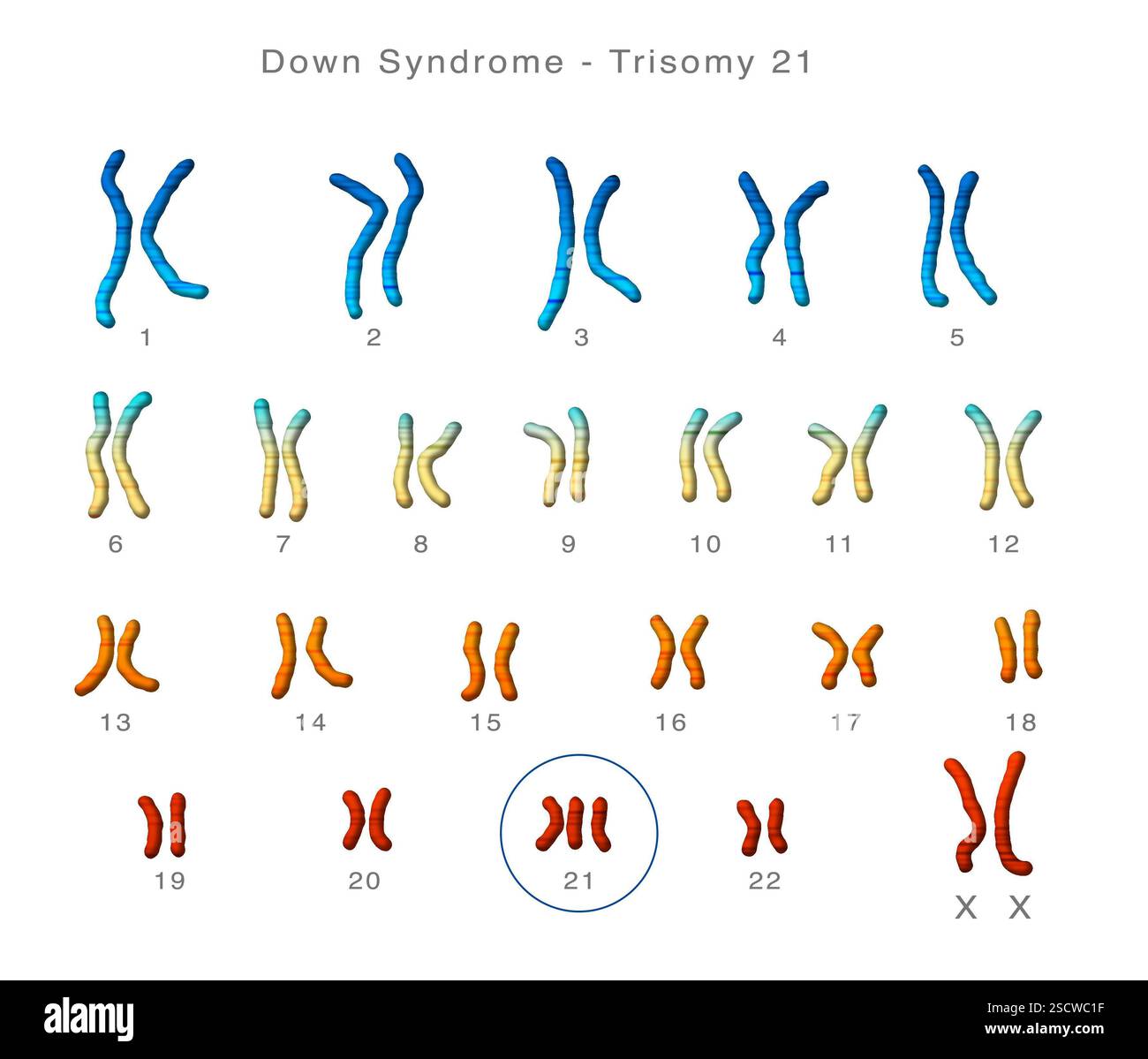
This integration sparked significant public debate regarding the potential for increased pressure on expectant parents. Critics and disability rights advocates have expressed concerns that the routine availability of these tests may inadvertently frame a diagnosis as a problem to be solved rather than a variation in human development. Conversely, proponents argue that access to information allows parents to prepare for the specific medical and developmental needs their child may have from birth.
The Role of Support Networks in Daily Life
The relationship between individuals like Anne Rüben and children like Tim underscores the necessity of a robust support network. Raising a child with Down syndrome requires access to early intervention programs, which are vital for long-term developmental outcomes. In Germany, the Interdisciplinary Early Intervention Centers (Interdisziplinäre Frühförderstellen) provide targeted therapy and support services for children with developmental delays or disabilities.

For families, the transition from a prenatal diagnosis to daily life involves navigating a complex healthcare and educational system. Inclusive schooling remains a primary objective for many advocates. According to the Standing Conference of the Ministers of Education and Cultural Affairs, while the number of students with special educational needs in inclusive settings has risen, the implementation varies significantly across German federal states. The success of integration often relies on the dedication of individual caregivers, educators, and the broader community, as seen in the case of the support systems surrounding Tim in Herzogenrath.
Navigating Ethical and Social Challenges
The societal perception of Down syndrome is undergoing a shift, yet misconceptions persist. The “medicalization” of the condition—focusing primarily on the clinical aspects of the genetic defect—can overshadow the capabilities and quality of life of individuals with Trisomy 21. Organizations such as Down-Syndrom Infocenter provide resources aimed at shifting this narrative by focusing on the lived experiences of families and the potential for inclusive participation in society.

Medical professionals are increasingly trained to provide balanced information that moves beyond a clinical diagnosis. The goal of current counseling standards is to ensure that parents are informed about the spectrum of the condition, including the reality that many individuals with Down syndrome lead fulfilling, active, and increasingly independent lives. As public discourse continues to evolve, the focus is shifting toward how society can provide the necessary structural support to ensure that all families, regardless of their child’s genetic makeup, have the resources they need to thrive.
The next official review of the G-BA’s guidelines regarding prenatal testing is expected to continue monitoring the impact of NIPT access on healthcare delivery and parental counseling standards. Readers interested in the latest policy updates or resources for families can consult the Federal Ministry of Health portal for official documentation and guidance. Please share your thoughts or community experiences in the comments below.