
Portugal’s national football team faces mounting scrutiny following a 1-1 draw against the Democratic Republic of the Congo, with international analysts questioning the tactical impact of veteran captain Cristiano Ronaldo. The match, which took place during the current international cycle, has sparked a debate regarding whether the 39-year-old forward’s presence on the pitch disrupts the team’s overall fluidity and offensive transition.
Thierry Henry, the former France international and current analyst, has publicly questioned the current tactical setup of the Portuguese squad. According to reporting from major European sports outlets, Henry noted that the reliance on Ronaldo as a focal point may be limiting the dynamic movement of younger, more mobile players. This critique arrives as Portugal, often cited as a favorite in major tournament discussions, struggles to convert possession into decisive scoring opportunities against disciplined defensive blocks.
The statistical output from the match has further fueled the discourse. Data analysis from the encounter indicated that the Portuguese goalkeeper registered a higher number of ball touches than the team’s primary striker, a metric often used by critics to highlight a lack of involvement in the build-up phase. For a team designed to prioritize high-tempo, possession-based football, such figures have led to questions from supporters and media alike regarding the team’s long-term strategy for the 2026 World Cup cycle.
Tactical Integration and Team Performance
The core of the criticism centers on the concept of tactical balance. In modern football, the ability of a forward to contribute to the high press and drop into pockets of space is essential for breaking down compact opponents. Analysts at Der Spiegel have pointed out that while Ronaldo remains a world-class finisher, his current role requires the surrounding players to compensate for his reduced mobility. This shift in team dynamics can force midfielders to play more conservatively, potentially slowing down the transition from defense to attack.

Conversely, supporters of the veteran forward argue that his positioning and gravity—the ability to draw multiple defenders—create space for teammates like Bruno Fernandes and Rafael Leão. However, the performance against the Democratic Republic of the Congo suggests that this tactical trade-off is currently yielding diminishing returns. The draw has left observers wondering if head coach Roberto Martínez will consider a more fluid rotation in the upcoming qualification fixtures.
Public Sentiment and Media Scrutiny
In Portugal, the reaction has been notably sharp. Local media outlets, including reports referenced by Blick, have characterized the performance as a missed opportunity, with some segments of the national press calling for a generational transition. The intense pressure placed on the team reflects the high expectations surrounding the current squad, which is considered one of the most talented in the nation’s history.
The scrutiny is not limited to the striker alone, but he remains the lightning rod for the team’s collective frustrations. In international football, where time to develop chemistry is limited, the decision to prioritize an individual’s legacy over a specific tactical system is a frequent subject of contention. The criticism from figures like Henry serves to validate the concerns held by a portion of the fanbase that feels the team’s ceiling is being lowered by an over-reliance on established stars.
Looking Ahead: The Path to 2026
As the qualification process continues, the coaching staff faces the challenge of reconciling the team’s historical success with the demands of the modern game. According to the official FIFA match calendar, Portugal’s next competitive fixture is scheduled for the upcoming international break, where they will look to regain momentum and silence critics. The focus will likely shift to whether Martínez adjusts his starting XI or maintains his current tactical philosophy.
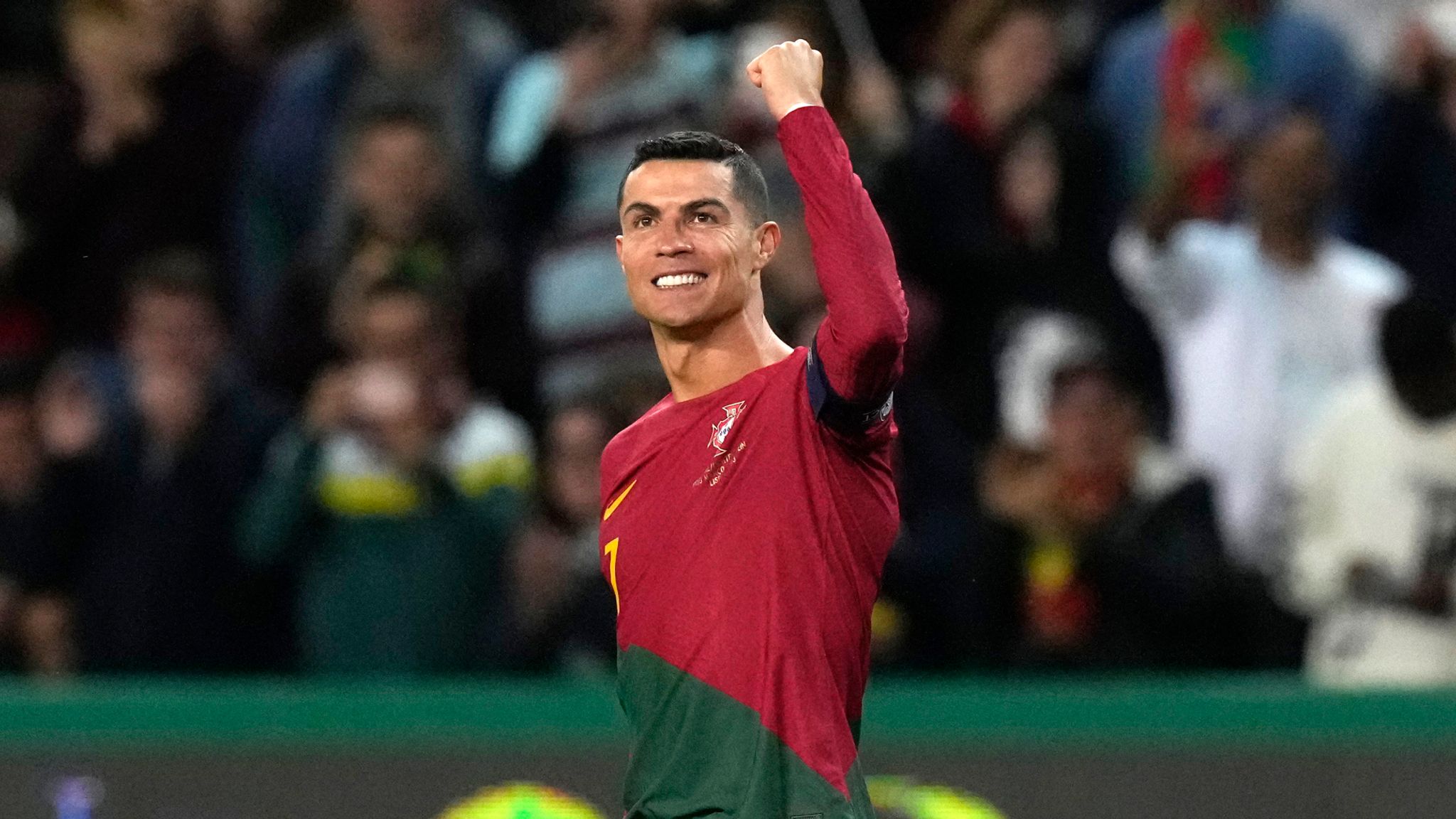
The debate surrounding Ronaldo’s role is expected to persist until the team demonstrates a clear ability to dominate opponents without relying on traditional long-ball tactics. Whether the veteran captain remains the centerpiece of the project or transitions into a more specialized role remains the primary question for Portuguese football in the months leading up to the 2026 World Cup.
How do you view the current tactical direction of the Portuguese national team? Join the conversation by sharing your thoughts in the comments section below.
Keep reading