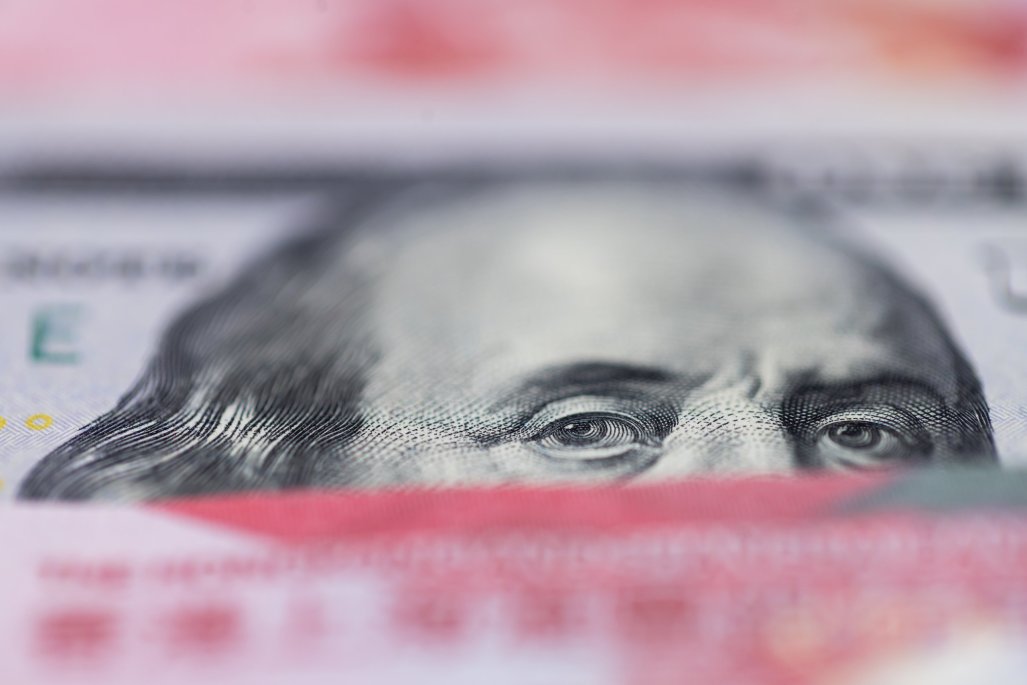
The Chilean peso reached a new low against the U.S. dollar this week, approaching the 900-peso mark as global markets react to shifting economic expectations and a stronger American currency. According to data from the Central Bank of Chile, the currency’s depreciation reflects a broader trend of dollar strength, which has been bolstered by rising Treasury yields and recalibrated forecasts for monetary policy.
This volatility in the foreign exchange market is largely driven by the performance of the U.S. Dollar Index (DXY), which tracks the greenback against a basket of major currencies. Recent reports indicate the index has climbed to approximately 100.6 points, reaching levels not consistently observed since mid-2025, as investors adjust their portfolios in response to persistent inflationary signals and federal interest rate trajectories, as noted by financial analysts monitoring global liquidity.
Market Pressures and the Copper Connection
The Chilean economy, which relies heavily on copper exports, remains particularly sensitive to fluctuations in the U.S. dollar. When the dollar strengthens, commodities priced in that currency—most notably copper—often face downward pressure. Financial indices have recorded a decline of approximately 1.4% in copper prices, a shift that directly impacts Chile’s trade balance and fiscal revenue projections.
This correlation is a standard feature of the Chilean financial landscape, where the Chilean Copper Commission (Cochilco) frequently monitors how international price volatility filters down to local exporters. As the dollar nears the 900-peso threshold, importers in Chile face higher costs for goods, while the central bank faces the ongoing challenge of managing imported inflation without stifling domestic growth.
Drivers of Current Economic Volatility
The recent surge in the dollar is not an isolated event but rather the result of a confluence of global factors. Investors are currently weighing the impact of central bank policies in major economies, including the U.S. Federal Reserve’s stance on interest rates. According to the Federal Reserve’s official calendar, market participants remain hyper-focused on upcoming policy announcements, which dictate the flow of capital into emerging markets.
Beyond monetary policy, geopolitical tensions and shifts in Chinese industrial demand continue to influence copper prices. Because China is the world’s largest consumer of copper, any sign of slowing activity in that nation’s manufacturing sector tends to exacerbate the downward pressure on prices, adding another layer of complexity to the Chilean peso’s valuation.
What Lies Ahead for the Chilean Peso
For businesses and individual consumers, the proximity of the dollar to the 900-peso level serves as a critical indicator of economic pressure. While the currency has experienced significant fluctuations, the long-term trajectory will likely depend on the stability of global commodity prices and the potential for the Federal Reserve to adjust its current rate environment.

Market observers are now looking toward the next scheduled meeting of the Central Bank of Chile’s board, where policymakers will assess the impact of these external shocks on the local economy. Official updates, including the bank’s Monetary Policy Report (IPoM), will provide further clarity on how the institution intends to balance exchange rate stability with the need to support a recovering domestic market.
As these developments unfold, we encourage readers to monitor official statements from the Central Bank of Chile and the Ministry of Finance for the most accurate updates on economic policy shifts. We welcome your perspectives on how these currency fluctuations are affecting your business or local industry; please share your comments below to contribute to the ongoing discussion.
Keep reading