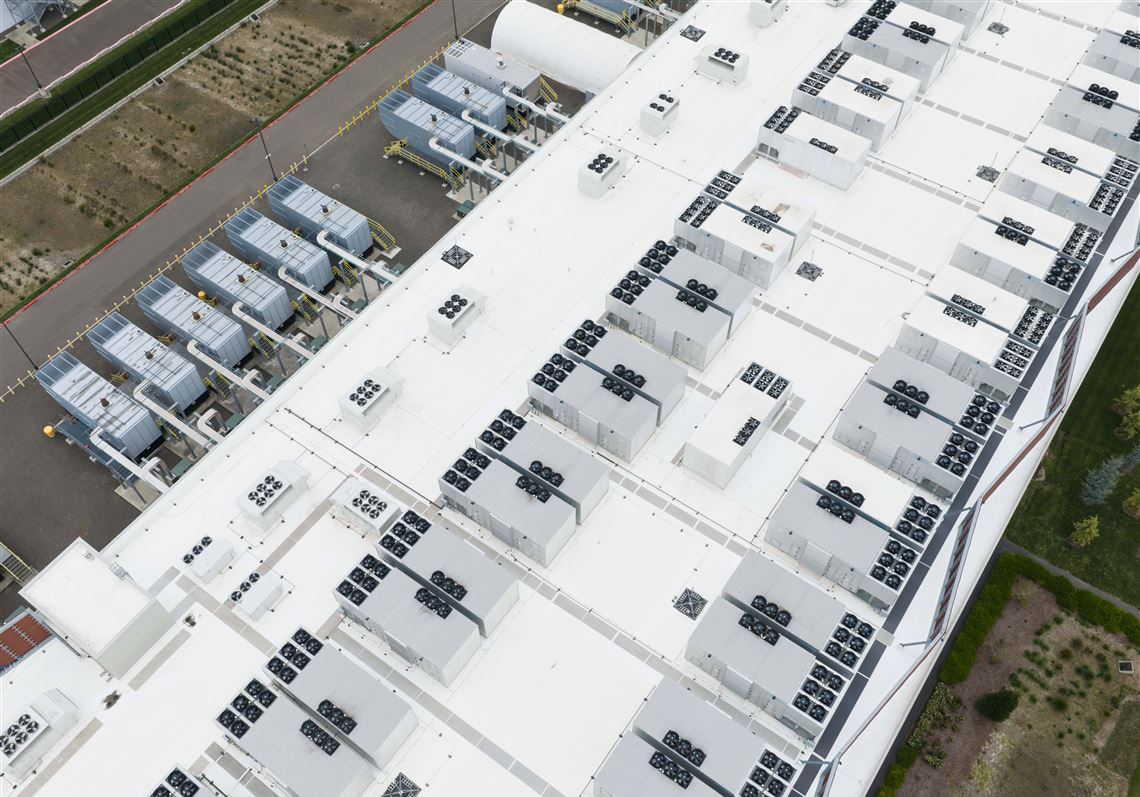
Federal energy regulators are advancing policies to expedite the connection of power-hungry AI data centers to the national electrical grid, a move aligned with the Trump administration’s broader strategy to prioritize energy infrastructure for the technology sector. The Federal Energy Regulatory Commission (FERC) has signaled a shift in how it evaluates interconnection requests, aiming to shorten the years-long wait times currently hindering the expansion of large-scale computing facilities, according to official commission dockets and recent public statements.
The push to streamline these approvals comes as demand for electricity in the United States faces unprecedented growth driven by the proliferation of artificial intelligence and high-performance computing. Data centers require consistent, high-capacity power, often prompting developers to seek direct connections to high-voltage transmission lines. By reducing the bureaucratic hurdles for these interconnections, the administration intends to bolster domestic AI development while addressing the projected increase in national energy demand cited by the U.S. Energy Information Administration.
Regulatory Shifts and Grid Capacity
At the center of this transition is the effort to clear the massive backlog of projects currently waiting to join the electrical grid. As of early 2024, there are thousands of gigawatts of generation and storage capacity queued for interconnection, a process that can take several years due to complex impact studies and local regulatory reviews, as reported by the Lawrence Berkeley National Laboratory. The current strategy involves prioritizing projects that demonstrate immediate readiness and firm power commitments, effectively moving data center infrastructure to the front of the line.
This approach has sparked a debate regarding grid reliability. While tech companies argue that rapid expansion is necessary to maintain a competitive edge in global AI development, grid operators have cautioned that adding significant load to the system without corresponding upgrades to transmission infrastructure could lead to localized outages or increased strain on aging equipment. FERC has indicated that it will require developers to enter into more rigorous cost-sharing agreements for necessary grid enhancements, ensuring that the burden of infrastructure upgrades does not fall solely on ratepayers, according to Commission Order No. 2023.
The Intersection of AI and Energy Policy
The administration’s focus on data center power is part of a wider economic policy aimed at revitalizing domestic manufacturing and technological sovereignty. By framing energy availability as a national security imperative, the White House has encouraged federal agencies to treat AI infrastructure projects with the same urgency as critical utility expansions. This directive is designed to bypass traditional permitting delays that have previously stalled large-scale energy projects for a decade or more, a timeline documented by the Congressional Research Service.
Stakeholders, including major utility providers and cloud service operators, have largely welcomed the regulatory easing. For companies like Amazon, Google, and Microsoft, the ability to secure reliable, carbon-free energy—often through direct deals with nuclear or renewable energy providers—is essential for meeting both their operational needs and their environmental, social, and governance (ESG) goals. However, critics point out that this prioritization could disadvantage smaller renewable energy projects that have been waiting in the queue for years, potentially stifling a broader energy transition.
Future Outlook and Upcoming Milestones
The impact of these changes will be felt most acutely in regions with high concentrations of data centers, such as Northern Virginia, Texas, and the Pacific Northwest. State-level utility commissions are currently in the process of adjusting their own interconnection rules to align with the federal shift. Observers are now looking toward the next round of regional grid reliability assessments, which will provide the first concrete data on how the expedited connections are affecting voltage stability and wholesale electricity prices, as noted in the North American Electric Reliability Corporation (NERC) seasonal reports.

The next major checkpoint for this policy initiative is the upcoming FERC open meeting, where commissioners are expected to review the implementation progress of the new interconnection standards. Industry analysts and public interest groups are encouraged to monitor the FERC event calendar for upcoming public comment periods and technical conferences. We invite our readers to share their perspectives on the balance between technological growth and grid stability in the comments section below.
Keep reading
- C à Vous: Latest Episodes, Guests and Highlights
- Colombia President Abelardo de la Espriella Faces Deadly Bombing Attacks on First Day in Office
- Trump Pushes SAVE Act to Mandate Voter ID and Proof of Citizenship (newsdirectory3.com)
- Tariff vs. Price Floor: What Trump's New Solar Rule Does (daybreakwire.com)