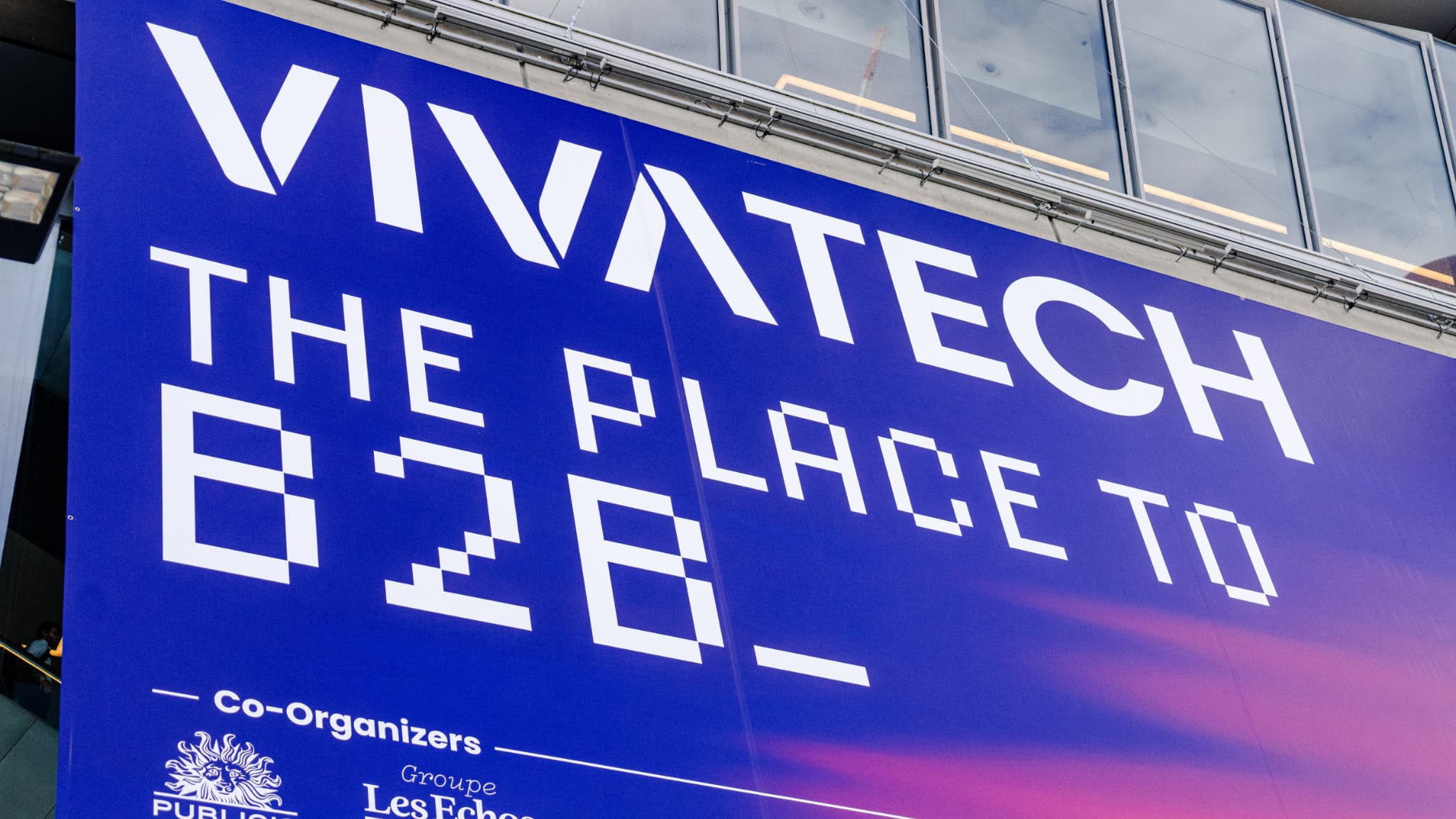
VivaTech 2026, Europe’s premier technology exhibition, has opened in Paris, drawing global industry leaders to address the intersection of artificial intelligence, digital sovereignty, and the future of the French startup ecosystem. The event serves as a high-profile platform for policymakers and corporate executives to assess the outcomes of government-led technology initiatives while showcasing the latest developments in generative AI and industrial automation.
The gathering, held at the Porte de Versailles, provides a critical venue for analyzing the trajectory of the “start-up nation” policy, a flagship economic strategy championed by the French administration since 2017. According to official government data, France has significantly increased its venture capital funding for technology firms, reaching approximately 8.3 billion euros in 2025, a figure that remains a central point of debate for industry analysts monitoring the country’s economic policy effectiveness. The Ministry of the Economy reports that these investments aim to bolster domestic competitiveness in the face of rising global competition from North American and Asian markets.
Artificial Intelligence and Industrial Integration
A primary focus of this year’s exhibition is the practical application of artificial intelligence across industrial sectors. Major telecommunications and infrastructure providers are positioning themselves as vital conduits for this transition. Orange, for instance, has announced an expanded initiative to act as an industrial accelerator for French startups, focusing specifically on integrating AI-driven solutions into existing infrastructure to enhance digital sovereignty. This move aligns with the broader European Union effort to reduce dependency on non-European cloud and computing providers, as outlined in the European Commission’s Digital Decade policy framework.
Technical demonstrations at the event have highlighted both the rapid progress and the inherent challenges of these technologies. While organizers showcased advanced innovations—including AI-enhanced medical patches and sophisticated voice-fraud detection software—the exhibition also experienced minor operational setbacks. During a scheduled demonstration, two industrial robots collided, resulting in the collapse of several display screens. Though no injuries were reported, the incident served as a pragmatic reminder of the complexities involved in deploying autonomous systems in high-traffic, real-world environments.
Assessing the “Start-up Nation” Framework
The 2026 edition of VivaTech offers a retrospective look at nearly a decade of state-led technology promotion. Economic observers note that while the number of registered startups has grown, the long-term sustainability of these firms remains a subject of intense scrutiny. The “start-up nation” strategy, initiated under President Emmanuel Macron, was designed to simplify corporate taxation and streamline administrative hurdles for entrepreneurs. Data from INSEE (the French National Institute of Statistics and Economic Studies) indicates that the number of new tech-related business creations has seen a steady annual increase of approximately 4% since 2020, though investors remain cautious regarding the path to profitability for many early-stage ventures.
Industry stakeholders are currently debating whether the current policy focus on sovereign infrastructure is sufficient to foster global tech giants. Some analysts argue that the emphasis on local and European-level solutions, while necessary for security, may inadvertently limit the scale and speed of adoption compared to more open, globalized markets. Conversely, supporters of the current approach argue that building a robust, independent digital infrastructure is the only viable path to long-term economic security in an era of heightened geopolitical volatility.
Future Outlook and Upcoming Policy Milestones
As VivaTech 2026 continues, the industry is looking toward the upcoming European AI Act compliance deadlines, which will mandate stricter transparency and risk-management protocols for high-impact AI systems. The European Union’s AI Act represents a major regulatory shift that will influence how startups operating within the bloc develop and deploy their models. Compliance with these new legal standards is expected to be a dominant theme in future trade discussions and investor relations meetings throughout the latter half of 2026.
The event remains open through the weekend, with final reports on industry commitments and government policy adjustments expected following the closing ceremonies. For real-time updates on scheduled panel discussions and ministerial announcements, attendees and digital participants are advised to monitor the official VivaTech portal for verified documentation and press releases. Investors and tech professionals are encouraged to engage with the ongoing discourse as the sector prepares for the next phase of European digital integration.