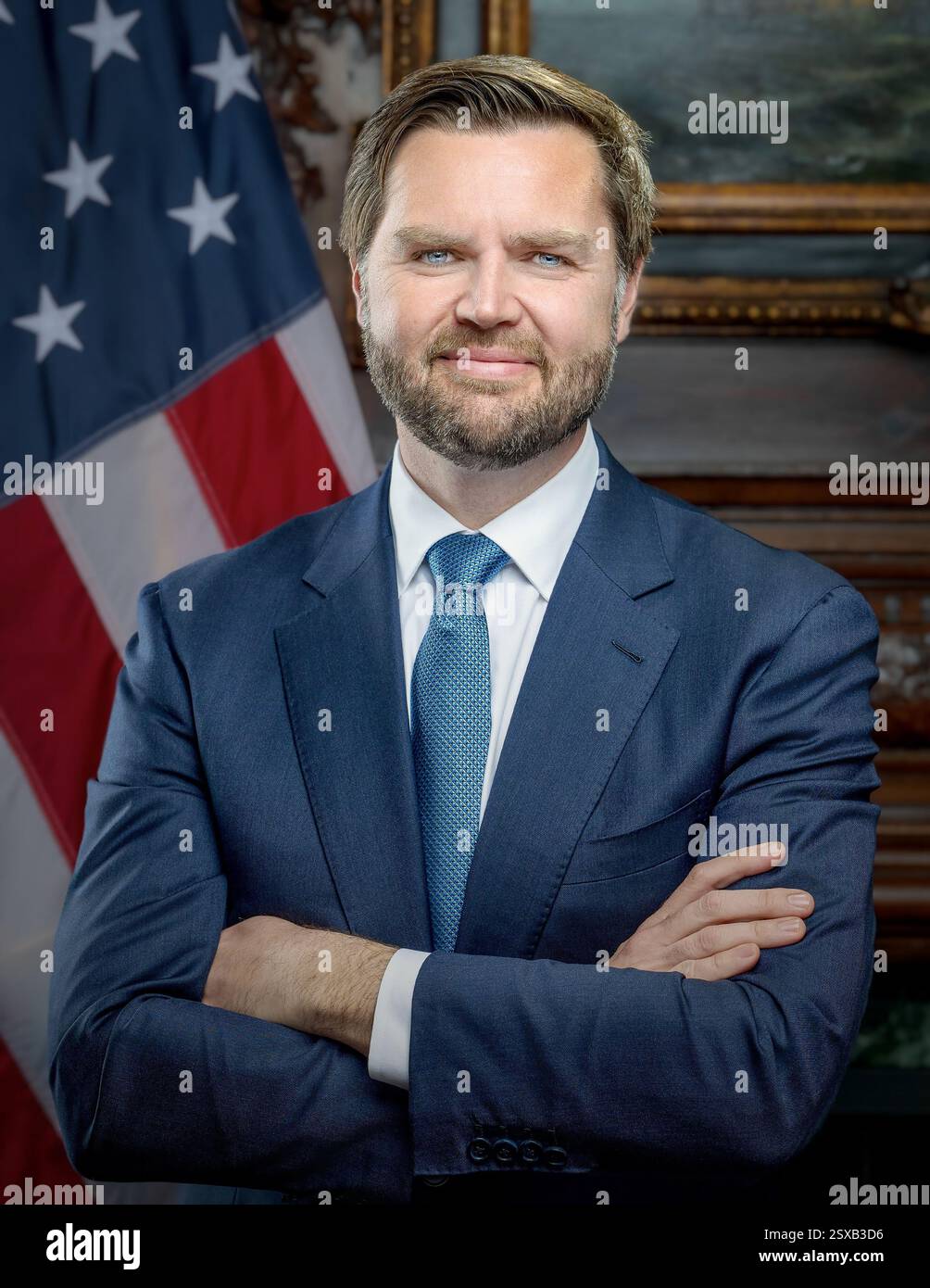
Vice President JD Vance rejected suggestions of a public rift with Pope Francis during a recent interview, clarifying that his disagreements with the pontiff stem from the differing responsibilities of a religious leader and a government official. The exchange occurred during a broader media tour promoting his new book, Communion: Finding My Way Back to Faith, which details his 2019 conversion to Catholicism.
The conversation, held with columnist Ross Douthat, addressed recent public friction regarding the role of theological discourse in political decision-making. While critics have characterized his past remarks as a confrontation with the Vatican, Vance framed his stance as a practical necessity of governance rather than a personal or theological battle. “I’m not fighting with the pope, Ross,” Vance stated during the discussion, emphasizing that his primary duty involves balancing competing national interests.
The dialogue highlights the ongoing intersection of faith and policy within the current administration. As a prominent Catholic convert in the executive branch, Vance has frequently faced questions regarding how he reconciles his religious beliefs with his political duties, particularly on issues involving international relations and immigration. According to his recent public statements, he views the Pope as a vital moral voice, yet one whose mission—preaching the Gospel—remains distinct from the mandate of an elected official tasked with executing specific policy outcomes.
Defining the Boundary Between Faith and Policy
The tension in the interview centered on how a government official should respond to papal statements that intersect with political matters, such as the conflict in Iran. Vance argued that while he does not ignore the perspectives offered by church leadership, he must prioritize the application of moral principles in ways that serve American interests. “My role is for the American people to try to apply moral principles in ways that get the best outcomes,” Vance explained, noting that the differing mandates of the papacy and the White House will inevitably lead to occasional friction.
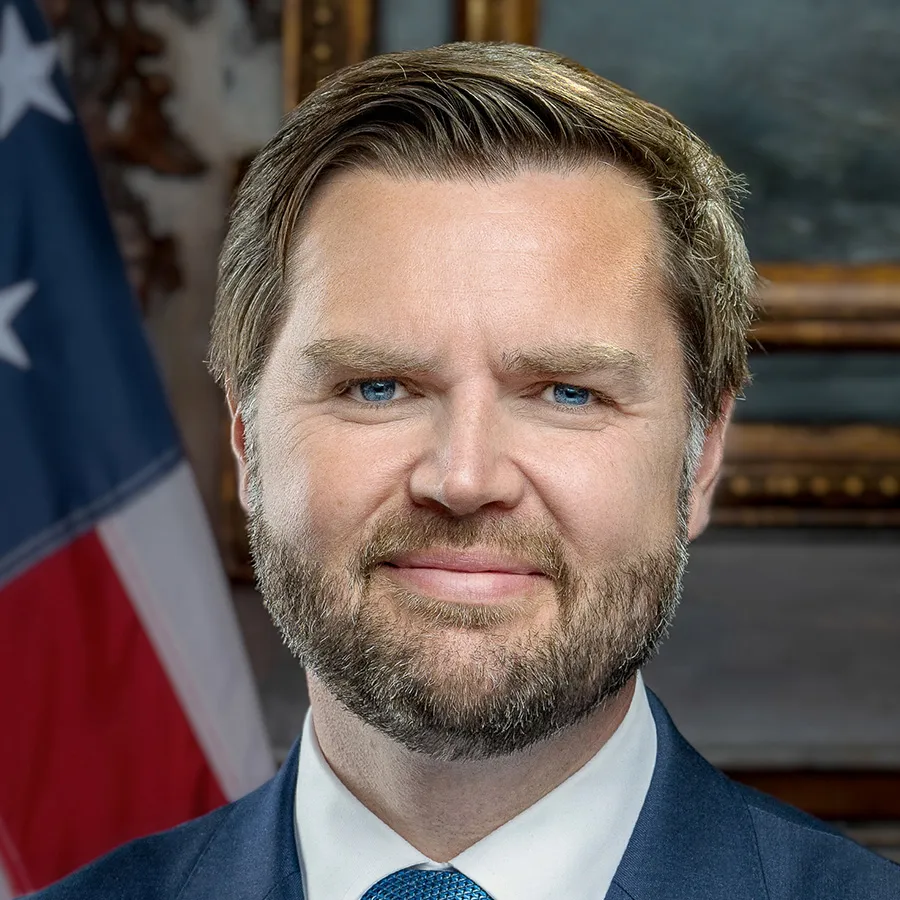
This perspective is a recurring theme in his recent book, where he examines his journey from a skeptical upbringing to his eventual entry into the Catholic Church at age 35. By articulating these views, Vance seeks to establish a framework for how he navigates the “provincial questions” of governance. He acknowledged that in the heat of public debate, comments can sometimes be “bone-headed” or taken out of context, but insisted that his underlying respect for the institution of the Church remains consistent.
The discussion also touched upon the broader challenge of reconciling religious doctrine with the complexities of modern statecraft. Vance’s comments suggest a deliberate effort to manage expectations regarding his alignment with the Vatican, particularly as he continues to defend his policy positions in the public square. By positioning the disagreement as a conflict of roles rather than a conflict of faith, he aims to maintain his standing as both a devout Catholic and a pragmatic vice president.
Contextualizing the ‘War of Words’
Observers have noted that the friction between the White House and the Vatican is not unprecedented in American politics. Historically, Catholic officials have often navigated the space between their personal religious obligations and their oath of office. However, the specific intensity of the current discourse—particularly regarding foreign policy and migration—has drawn heightened scrutiny from both secular and religious media outlets.
Vance’s attempt to clarify his position serves as a strategic pivot in his current media cycle. By addressing the “war of words” directly, he attempts to neutralize potential criticism from moderate Catholic voters who may be wary of perceived hostility toward the pontiff. His emphasis on the Pope as an “advocate for peace” is a calculated move to reinforce his own alignment with the broader values of the Church, even while maintaining independence on specific administrative decisions.
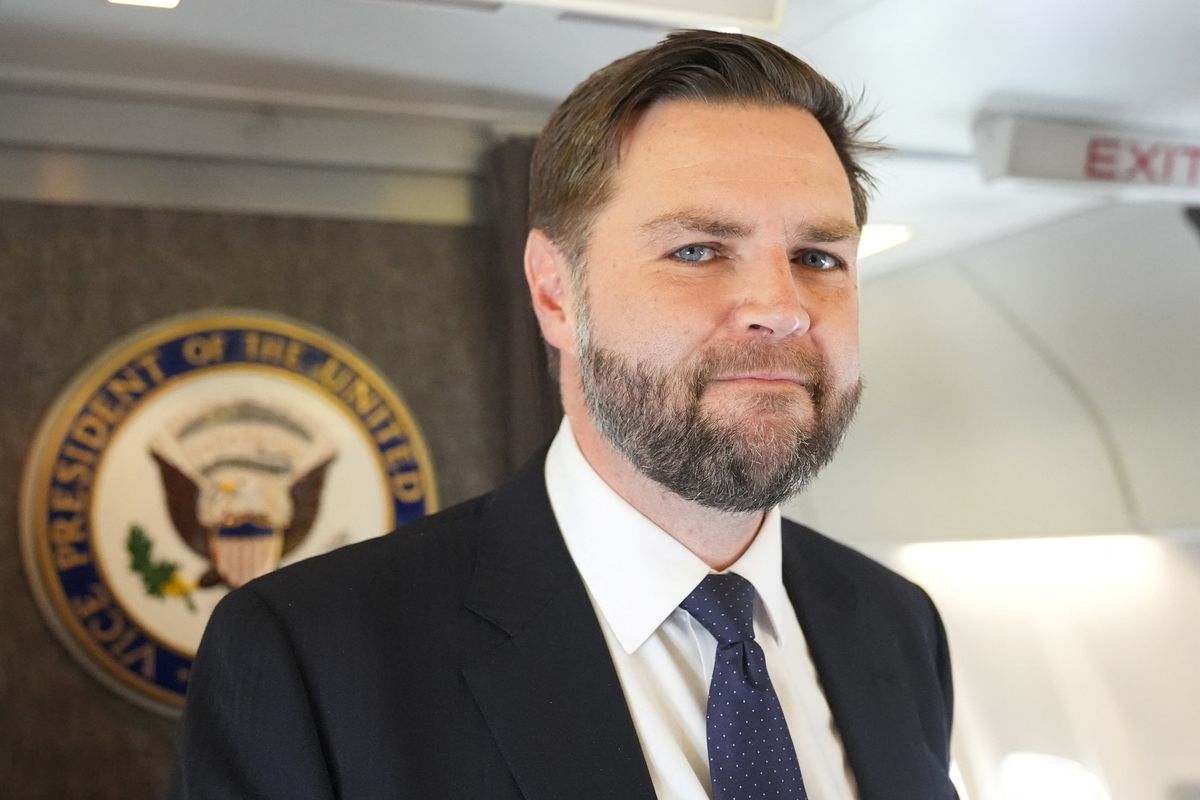
For those following these developments, the next point of interest will likely be the administration’s upcoming policy briefings on international religious freedom and the potential for further direct engagement between the Vice President’s office and the Holy See. While no formal meetings have been scheduled at this time, the ongoing dialogue between the administration and religious leaders remains a primary focus for political analysts.
Readers interested in following these developments can monitor official White House press releases and statements from the United States Conference of Catholic Bishops for further updates. We invite you to share your thoughts on the intersection of faith and governance in the comments section below.
Worth a look