
The Social Democratic Party (SPD) in the German state of Baden-Württemberg is navigating a period of significant political instability as leadership attempts to redefine its ideological direction. Following a series of disappointing electoral performances, party officials are weighing a strategic shift toward more left-leaning policies in an effort to regain voter confidence and address structural decline within the state organization.
According to reports from the Landtag of Baden-Württemberg, the party currently holds 14 seats in the state parliament, placing it in a precarious position compared to its historical performance in the region. This shift in focus, often described as a “leftward drift,” comes as the party leadership seeks to differentiate itself from the governing coalition led by the Green Party and the Christian Democratic Union (CDU).
The Origins of the Current Political Crisis
The SPD’s struggles in Baden-Württemberg are rooted in a decade of diminishing returns at the ballot box. In the 2021 state election, the party secured only 11% of the vote, a figure that analysts at the Federal Agency for Civic Education have cited as evidence of the party’s ongoing struggle to maintain its traditional working-class base while appealing to urban, younger demographics. The party’s inability to gain traction against the dominance of Minister-President Winfried Kretschmann’s Green Party has left the SPD searching for a unique profile.
Internal debates have intensified regarding whether a sharper focus on social justice, environmental regulation, and labor rights—often associated with the party’s left wing—will act as a catalyst for recovery or further alienate moderate voters. This debate is not unique to the state level; it mirrors the broader national discourse within the SPD regarding the balance between the party’s centrist governance and its grassroots socialist roots.
Strategic Realignment and Leadership Challenges
The proposed move toward a more left-leaning platform involves both policy changes and personnel adjustments. Party leadership is currently evaluating candidates for upcoming local and regional roles who prioritize aggressive climate action and social welfare expansion. This strategy, as noted in recent political analysis by the Südwestrundfunk (SWR), is intended to provide a clear alternative to the current administration’s policies, which some SPD members argue have become too conciliatory toward conservative interests.
However, the transition is fraught with risk. Political scientists have warned that an abrupt shift to the left could jeopardize the party’s ability to participate in future coalition governments. In the German parliamentary system, the ability to form alliances is essential for exercising power, and a perceived move away from the political center may limit the number of viable partners for the SPD in the state parliament.
Assessing the Impact on Future Elections
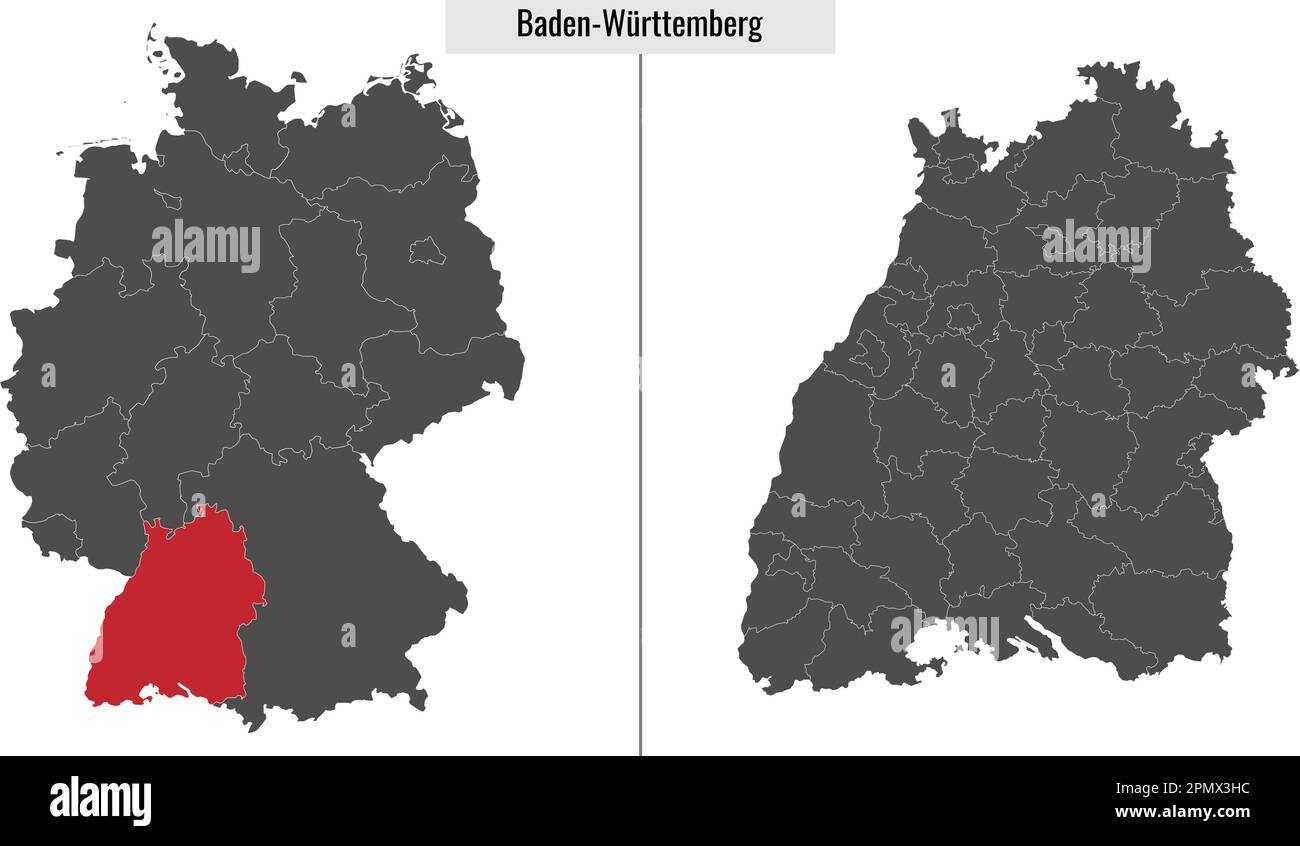
The effectiveness of this strategy will be put to the test in the coming electoral cycles. The next major test for the state party will be the upcoming municipal and federal elections, where the party’s ability to mobilize its base will be scrutinized by national leadership in Berlin. According to the Federal Returning Officer, maintaining a presence in the state parliament is vital for the party’s national relevance, as Baden-Württemberg represents one of Germany’s most significant economic and demographic hubs.
For the SPD, the challenge remains clear: translate ideological clarity into tangible electoral gains. Whether a pivot to the left provides the necessary momentum or deepens the existing divisions within the party ranks remains a central question for observers of German politics. As the party prepares for its next regional convention, all eyes will be on the platform documents and the unity of the parliamentary group.
Updates on the party’s platform and candidate selections are expected following the next state executive committee meeting, scheduled for late this quarter. Readers are encouraged to monitor official party announcements and parliamentary session records for further developments regarding this transition.
What do you think of the SPD’s potential shift? Share your perspective in the comments section below and join the conversation on our social media channels.
Keep reading