
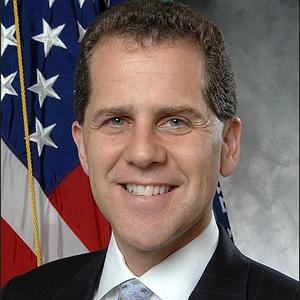
The Federal Reserve and other U.S. financial regulators are intensifying their scrutiny of stablecoin issuers, proposing new requirements that would mandate rigorous customer identification and verification processes. These measures aim to align digital asset service providers with established anti-money laundering (AML) and countering the financing of terrorism (CFT) standards, according to a recent address by Federal Reserve Vice Chair for Supervision Michael S. Barr. The proposed regulatory framework seeks to address risks posed by illicit actors who may exploit the anonymity of certain cryptocurrency platforms to bypass traditional financial safeguards.
Strengthening AML and CFT Protocols for Stablecoins
Stablecoins, which are digital assets designed to maintain a stable value by pegging to a reserve asset like the U.S. dollar, have become a primary bridge between traditional finance and the crypto ecosystem. However, regulators have expressed concerns that the current oversight of these entities is inconsistent. Vice Chair Barr noted that while many providers currently adhere to various jurisdictional requirements, the lack of a standardized federal approach creates vulnerabilities that malicious actors can exploit to facilitate illegal transactions. The focus remains on ensuring that “know your customer” (KYC) rules are applied as strictly to stablecoin issuers as they are to commercial banks.
This initiative follows broader U.S. Treasury Department efforts to curb the use of digital assets in illicit finance. By requiring issuers to verify the identities of their users, regulators intend to create a transparent trail for transactions. This move is part of a wider trend where U.S. agencies are moving away from a hands-off approach toward digital assets, favoring instead the integration of decentralized finance (DeFi) into the existing perimeter of financial supervision.
Why Regulatory Alignment Matters
The push for stricter identity verification is driven by the need for financial stability and national security. When a stablecoin issuer lacks robust identity verification, it becomes significantly harder for law enforcement to track the movement of funds linked to cybercrime or sanctions evasion. According to the Financial Crimes Enforcement Network (FinCEN), the integration of virtual asset service providers into the formal AML framework is essential to preventing the “darkening” of the financial system. For investors and users, this shift implies a future where anonymous stablecoin transactions may become increasingly difficult to conduct on regulated platforms.

The potential for these rules to impact the broader market is significant. If stablecoin issuers are forced to implement bank-grade KYC systems, smaller, less-resourced crypto projects may struggle to maintain compliance. Conversely, industry proponents argue that clear, uniform regulations could provide the legal certainty necessary for institutional investors to increase their participation in the digital asset space. The balance between innovation and oversight remains the central tension in this ongoing policy development.
The Path Toward Federal Oversight
While the Federal Reserve is leading the charge on the supervisory front, legislative action in Congress remains a critical component of the future regulatory landscape. Various bills, such as the Clarity for Payment Stablecoins Act, have been introduced to establish a federal framework for stablecoin issuance and supervision. These legislative efforts aim to provide a clear mandate for regulators to oversee the reserves backing stablecoins and to enforce the identity requirements that the Federal Reserve is currently advocating for through its supervisory lens.
Industry stakeholders are closely monitoring these developments. Many firms have already begun to preemptively adopt stricter compliance measures in anticipation of federal mandates. The transition toward a more regulated environment is expected to continue as agencies refine their definitions of what constitutes a “service provider” under the proposed AML/CFT guidelines. The Federal Reserve has not yet set a definitive deadline for the finalization of these specific rules, but market participants are encouraged to monitor official updates from the Board of Governors for upcoming comment periods and regulatory filings.
Current Regulatory Landscape and Next Steps
As of late 2024, the primary mechanism for oversight continues to be the evaluation of risk management practices within the banking sector, particularly concerning how banks interact with stablecoin issuers. The Federal Reserve’s Novel Activities Supervision Program provides the current blueprint for how the agency assesses the risks posed by digital asset-related activities. This program serves as the interim standard until more comprehensive federal legislation is passed.

The next major checkpoint for this policy will likely occur during upcoming Congressional hearings on digital asset regulation, where committee members are expected to question regulators on the progress of these identity verification initiatives. Interested parties can track these hearings via the House Committee on Financial Services website. We encourage readers to share their thoughts on the balance between digital privacy and financial security in the comments section below.
Keep reading