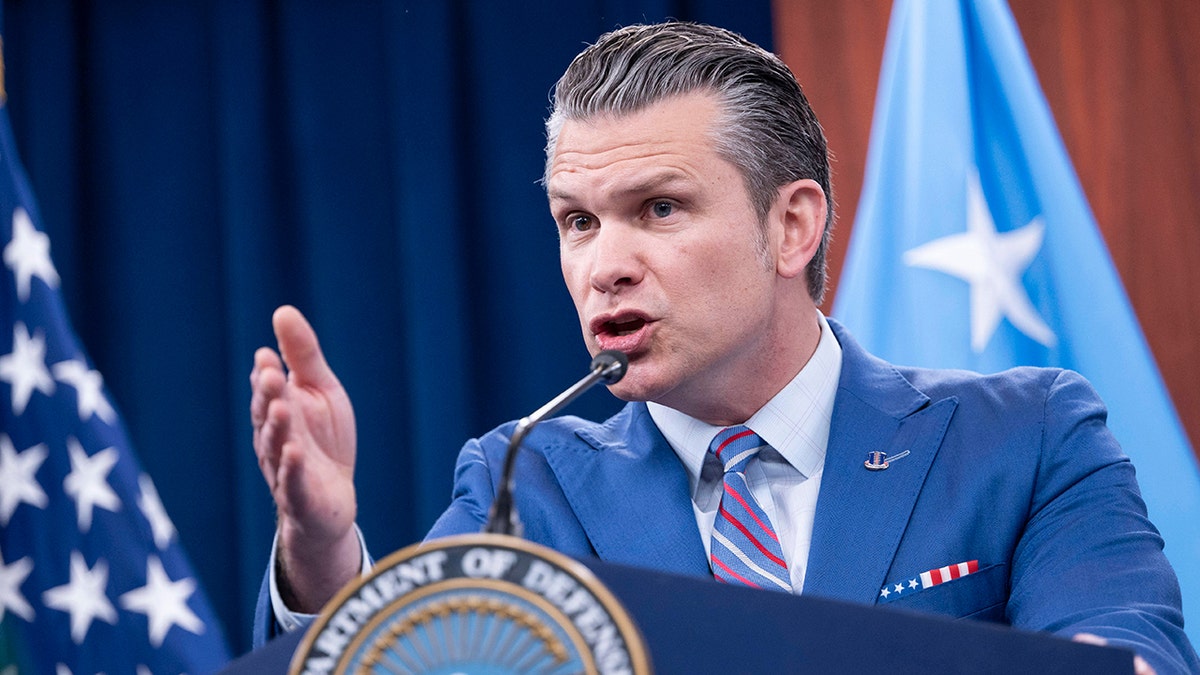
The United States Department of Defense has initiated a comprehensive six-month review of American military force posture across Europe, a move that coincides with heightened rhetoric from Secretary of Defense Pete Hegseth regarding the financial and military commitments of NATO member nations. This strategic assessment, which will evaluate the necessity and distribution of U.S. personnel currently stationed abroad, comes as the new administration shifts its focus toward reassessing long-standing defense agreements and the burden-sharing obligations of allies, according to official Pentagon briefings.
The review, confirmed by the Department of Defense, seeks to determine whether current troop levels—which include tens of thousands of personnel spread across various NATO-aligned nations—align with the administration’s stated goals of prioritizing domestic interests and fiscal efficiency. While the White House has framed the initiative as a standard procedural audit to ensure operational effectiveness, the timing has intensified discussions regarding the future of the transatlantic security architecture. Secretary Hegseth has publicly questioned whether European allies are meeting their stated defense spending targets, characterizing the current reliance on U.S. military support as an unsustainable dynamic for American taxpayers, as reported by Reuters.
Evaluating the Scope of U.S. Force Reductions
The Pentagon’s six-month review is expected to produce a granular analysis of every U.S. command structure currently operating on the European continent. Military planners are tasked with assessing the logistical requirements of existing bases, the cost-benefit analysis of forward-deployed units, and the potential impact of a reduced footprint on regional security. This process, formally announced by the Secretary of Defense, represents a significant pivot from the previous administration’s policy of strengthening the U.S. presence in Eastern Europe following increased regional volatility, according to findings from The Associated Press.
Military commanders in the field are currently operating under existing directives while the review proceeds. However, contingency planning has begun in response to potential drawdowns. The objective of this planning is to ensure that even with a smaller force, the U.S. maintains the capacity to respond to sudden security crises. Senior military officials have emphasized that any changes to force levels will be conducted in coordination with regional partners to avoid creating power vacuums that could be exploited by adversaries, as stated in recent NATO strategic communications.
Diplomatic Friction and NATO Burden-Sharing
The rhetoric surrounding the review has created a palpable sense of unease within the NATO alliance. Secretary Hegseth’s recent comments, which directed sharp criticism at allies for failing to meet the benchmark of spending 2% of their GDP on defense, have dominated diplomatic discourse. The Secretary argued that the United States has shouldered a disproportionate share of the financial burden for collective security for decades, a stance that has been met with both concern and cautious acknowledgment from various European capitals, as noted by the Financial Times.
In response, several NATO leaders have sought to downplay the potential for significant cutbacks. Officials from the alliance’s headquarters in Brussels have stated that they remain in constant contact with Washington to ensure that any adjustments to U.S. deployments do not undermine the collective defense posture. The tension centers on a fundamental disagreement over whether the current troop presence is a necessary deterrent or a crutch that has allowed European nations to underfund their own military capabilities, according to reports from the BBC.
Strategic Implications for European Security
For the average reader, the primary question remains how these potential reductions might alter the security landscape. A reduction in U.S. personnel could necessitate a rapid increase in local defense production and recruitment across Europe. This transition, if it occurs, would represent the most significant reorganization of Western military power since the end of the Cold War. The Department of Defense has indicated that the results of the review will be presented to Congress upon completion, providing a roadmap for future legislative action on defense appropriations, as detailed in federal budget documentation.
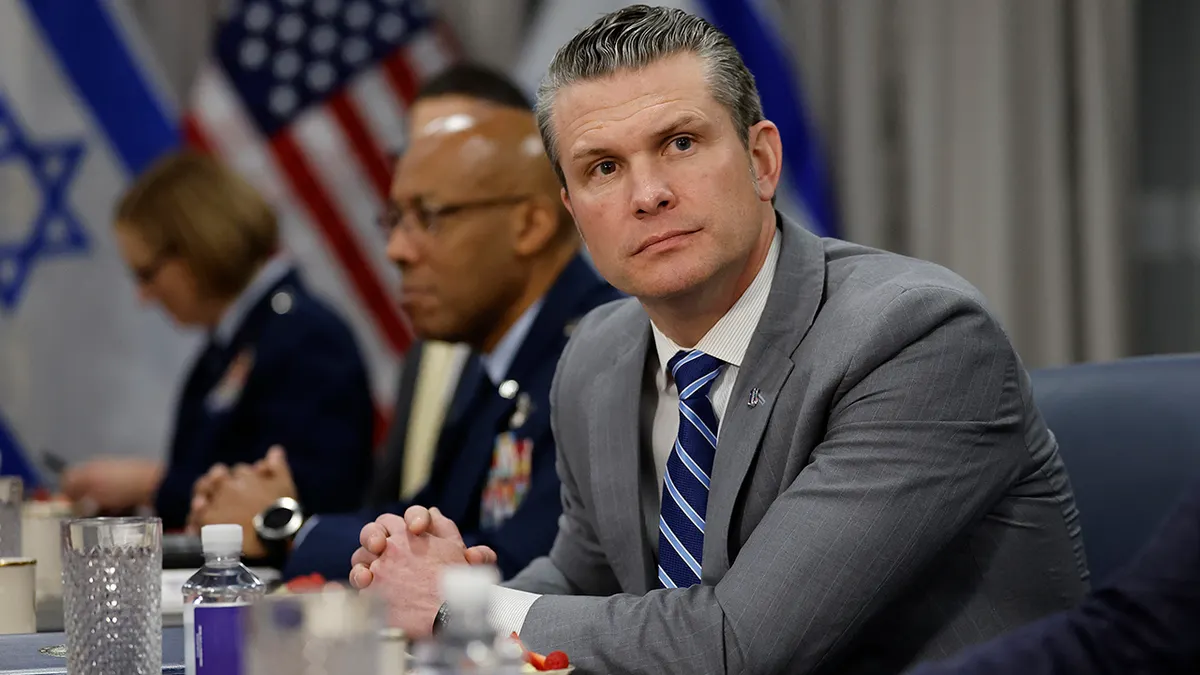
The review is scheduled to conclude in approximately six months, with interim updates expected to be provided to the House and Senate Armed Services Committees. Stakeholders across the Atlantic are currently monitoring these updates to gauge the extent of the administration’s commitment to the existing security framework. As the Pentagon proceeds with this assessment, the global community awaits further clarification on whether this represents a permanent shift in U.S. foreign policy or a temporary recalibration of its international commitments. Interested parties can track official updates through the Department of Defense press release portal for the latest findings and policy announcements.