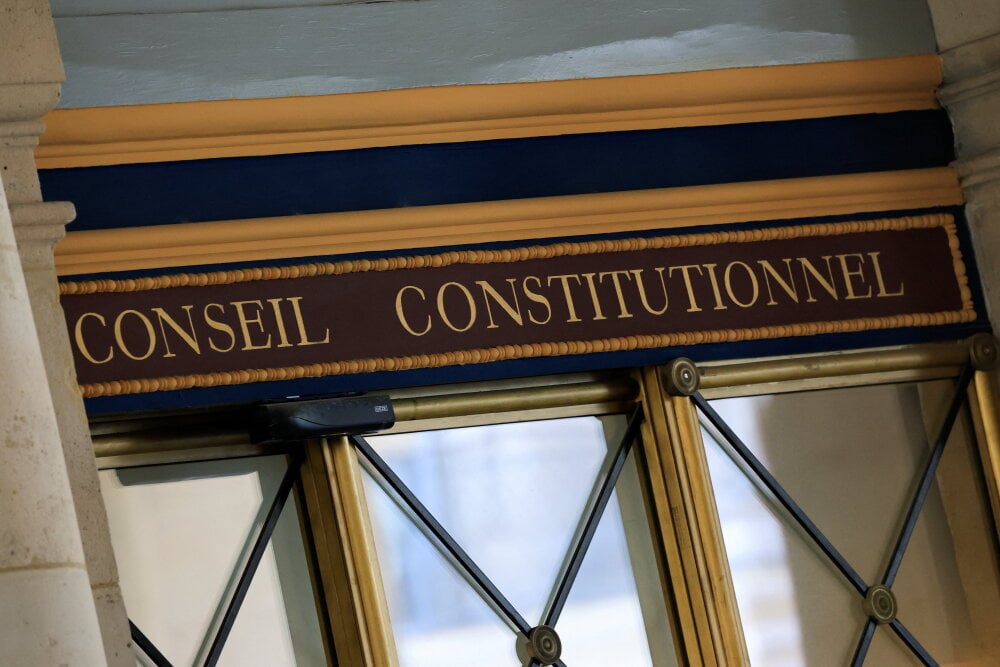
The French Constitutional Council has upheld the majority of a new legislative package designed to combat tax evasion and social security fraud, providing the government with expanded enforcement powers while triggering sharp criticism from left-wing political factions. The ruling, which validates the core components of the anti-fraud measures, allows French authorities to intensify their pursuit of unpaid taxes and social contributions, though it leaves opposition leaders arguing that the law fails to address the root causes of fiscal inequality.
The decision by the Conseil constitutionnel—France’s highest constitutional authority—clears the way for increased scrutiny of financial transactions and more aggressive recovery tactics for outstanding debts. While the ruling provides a significant legal victory for the administration’s efforts to reduce the national deficit, it has intensified the political divide in the National Assembly. Members of the left-wing opposition have characterized the validated measures as insufficient, claiming they do not place enough of the fiscal burden on high-net-worth individuals and large corporations.
As the French government seeks to stabilize its public finances amid rising debt concerns, this ruling serves as a critical checkpoint for the implementation of the current fiscal strategy. The validated provisions primarily focus on strengthening the technical capacity of the Direction générale des Finances publiques (DGFiP) and the Unions de Recouvrement des cotisations de Sécurité sociale (URSSAF) to identify and penalize non-compliance.
What were the key provisions validated by the Constitutional Council?
The Constitutional Council’s decision focused on several technical and administrative mechanisms intended to modernize France’s fight against financial crime. By validating the “essence” of the law, the Council has permitted the government to use more sophisticated data-mining techniques to cross-reference taxpayer information and identify discrepancies in reported income or social contributions.
According to the legal framework of the ruling, several key areas received constitutional clearance:
- Enhanced Data Access: Authorities have been granted broader permissions to access third-party financial data, allowing for more seamless tracking of assets and income streams.
- Strengthened Recovery Powers: The law expands the ability of agencies like URSSAF to recover unpaid social security contributions, which are essential for funding France’s welfare state.
- Digital Enforcement: The ruling supports the integration of advanced digital tools to detect VAT (Value Added Tax) fraud and other sophisticated schemes used to circumvent fiscal obligations.
However, the Council did strike down certain provisions, often referred to in French law as cavaliers législatifs—clauses that are deemed unrelated to the primary subject of the bill. These omissions are standard in Constitutional Council rulings, where the body ensures that every amendment remains strictly within the scope of the original legislative intent to avoid procedural overreach.
Why are left-wing parties criticizing the ruling?
Despite the legal validation of the law, the political fallout has been significant. Left-wing coalitions, including members of the Nouveau Front Populaire (NFP), have voiced strong opposition to the scope and direction of the anti-fraud measures. Their criticism centers on a perceived imbalance in how the law targets different segments of the economy.
Critics from the left argue that the measures are disproportionately focused on administrative compliance and the recovery of smaller-scale social security debts, rather than tackling large-scale corporate tax avoidance or the wealth of the ultra-rich. “The law focuses on the mechanics of collection rather than the structure of taxation,” noted one opposition member during the legislative debate. The core of their argument is that while the government is gaining better tools to catch “fraud,” it is not using those tools to implement more progressive tax reforms that could significantly boost the national treasury.
The opposition has specifically highlighted two main grievances:
- Targeting of Small Businesses and Individuals: There is a concern that the increased administrative rigor will primarily impact small-to-medium enterprises (SMEs) and individual workers who may struggle with the heightened complexity of compliance.
- Lack of Wealth Redistribution: Left-wing leaders contend that true fiscal justice requires a crackdown on capital gains and inheritance structures, which they claim are largely untouched by the current anti-fraud legislation.
This tension reflects a broader debate in French politics regarding the “fiscal social contract”—the question of how much the state should collect and from whom, in order to maintain social services without stifling economic growth.
How does this ruling impact the French economy and deficit management?
The timing of the Constitutional Council’s decision is critical for France’s macroeconomic stability. For much of 2024, French officials have expressed concern over the widening public deficit, which has pressured the country’s credit ratings and increased borrowing costs. Strengthening the efficiency of tax and social security collection is a central pillar of the government’s strategy to narrow this gap without resorting to broad-based tax hikes on the general population.
By validating these anti-fraud measures, the Council has essentially provided the government with a more reliable revenue stream. The ability to recover unpaid social contributions is particularly vital, as these funds directly support the healthcare, pension, and unemployment systems that are under increasing demographic pressure. If the DGFiP and URSSAF can successfully close existing loopholes, the resulting revenue could potentially offset a portion of the planned spending cuts or reduce the need for new debt issuance.
Economists suggest that the effectiveness of this ruling will depend on the speed of implementation. While the legal authority is now established, the practical application requires significant investment in human resources and technological infrastructure within the tax administration. If the government can successfully integrate these new tools, it may see a measurable increase in tax compliance rates over the next two fiscal cycles.
Comparison: Previous Anti-Fraud Efforts vs. New Measures
To understand the significance of this ruling, it is helpful to compare the current legislative approach with previous French efforts to combat fiscal non-compliance.
| Feature | Previous Framework | New Validated Measures |
|---|---|---|
| Data Integration | Manual cross-referencing and periodic audits. | Real-time, automated data mining and AI-driven detection. |
| Focus Area | Targeting specific, high-profile tax evasion cases. | Systemic enforcement across social security and VAT. |
| Recovery Speed | Lengthy judicial processes for debt recovery. | Streamlined administrative recovery powers. |
| Legislative Scope | Fragmented laws targeting individual sectors. | A unified, comprehensive anti-fraud legislative package. |
Frequently Asked Questions
What is the Conseil constitutionnel?
The Conseil constitutionnel is the highest constitutional authority in France. Its primary role is to ensure that laws passed by Parliament comply with the Constitution of the Fifth Republic. It acts as a check on legislative power, ensuring that no law infringes upon fundamental rights or violates established legal principles.
Who is most likely to be affected by the new anti-fraud laws?
The laws are designed to target entities and individuals engaged in intentional tax evasion or social security fraud. This includes businesses misreporting VAT, employers failing to pay social contributions, and individuals concealing income. However, critics argue that the increased administrative complexity may also affect law-abiding small business owners.
How does this affect the French social security system?
By improving the recovery of unpaid contributions, the law aims to bolster the funding of France’s social safety net. Increased collection rates help ensure that the system remains solvent as the country faces an aging population and rising healthcare costs.
Will this lead to higher taxes for the average citizen?
The government’s stated intent is to reduce the deficit through better enforcement and the recovery of existing owed funds, rather than by creating new taxes. However, the political debate continues as to whether these measures are enough to prevent future tax increases.
The next major milestone for this legislation will be the formal implementation phase, where the relevant ministries will issue the specific decrees required to activate the new enforcement powers. Observers will be watching closely to see how these measures impact the 2025 budget projections and whether the government can successfully navigate the political opposition in the coming months.
Do you think these anti-fraud measures go far enough to address fiscal inequality? Share your thoughts in the comments below and share this article with your network.
Worth a look