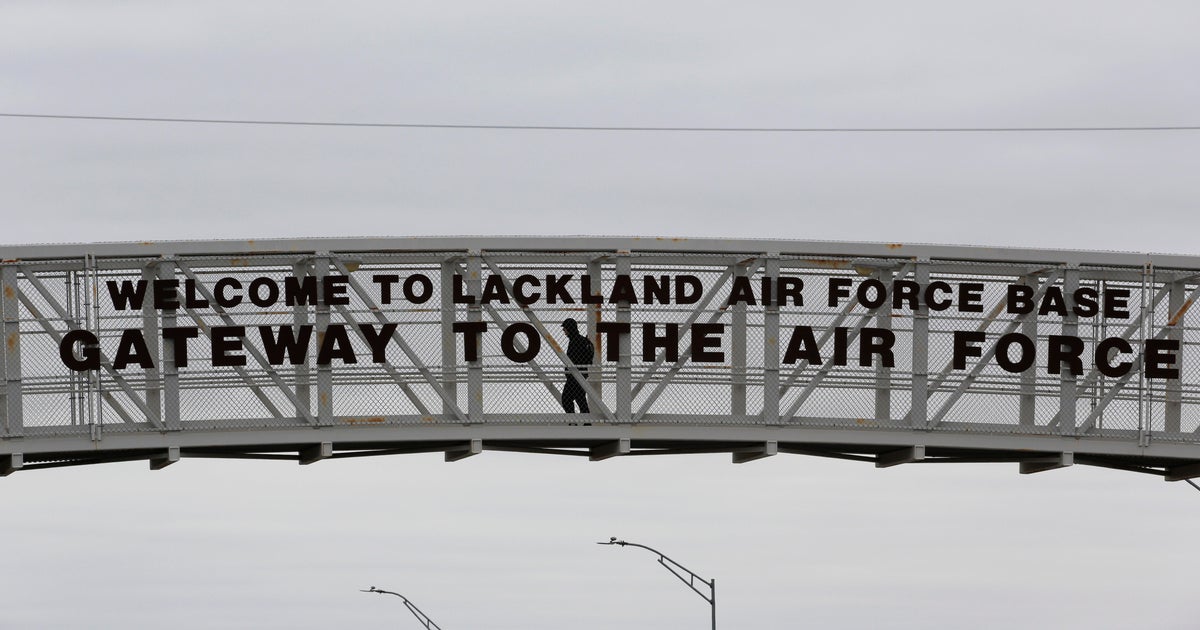
Influenza Outbreak Hits Texas Air Force Base Following Shift in Vaccine Policy
Approximately 160 service members at Joint Base San Antonio-Lackland in Texas have fallen ill with influenza following a recent policy change that made flu vaccinations optional for U.S. Air Force personnel. The outbreak comes weeks after Defense Secretary Pete Hegseth transitioned the flu vaccine from a mandatory requirement to an optional one, according to reports from CBS News and The Washington Post.
The surge in illnesses at the Texas installation has raised questions regarding military readiness and the impact of recent changes to Department of Defense health protocols. While the exact number of affected personnel continues to fluctuate as medical assessments proceed, the concentration of cases within a primary training hub has drawn significant attention from military analysts and health officials.
How many troops are affected by the Texas flu outbreak?
Current reports indicate that nearly 160 troops at Lackland Air Force Base are currently battling the flu. The concentration of cases is centered at Joint Base San Antonio, a major military complex in Texas that serves as a critical node for Air Force operations and training. According to The New York Times, the scale of the outbreak is particularly notable given the timing of the illness spike.
Medical personnel at the base are currently managing the influx of sick recruits and active-duty members. While the specific severity of the symptoms has not been detailed in official military briefings, the sheer volume of personnel sidelined by the virus has created localized disruptions in base operations. The outbreak is being treated as a significant health event within the training pipeline, as Lackland serves as the “Gateway to the Air Force” for many new recruits.
Why did the flu vaccine requirement change?
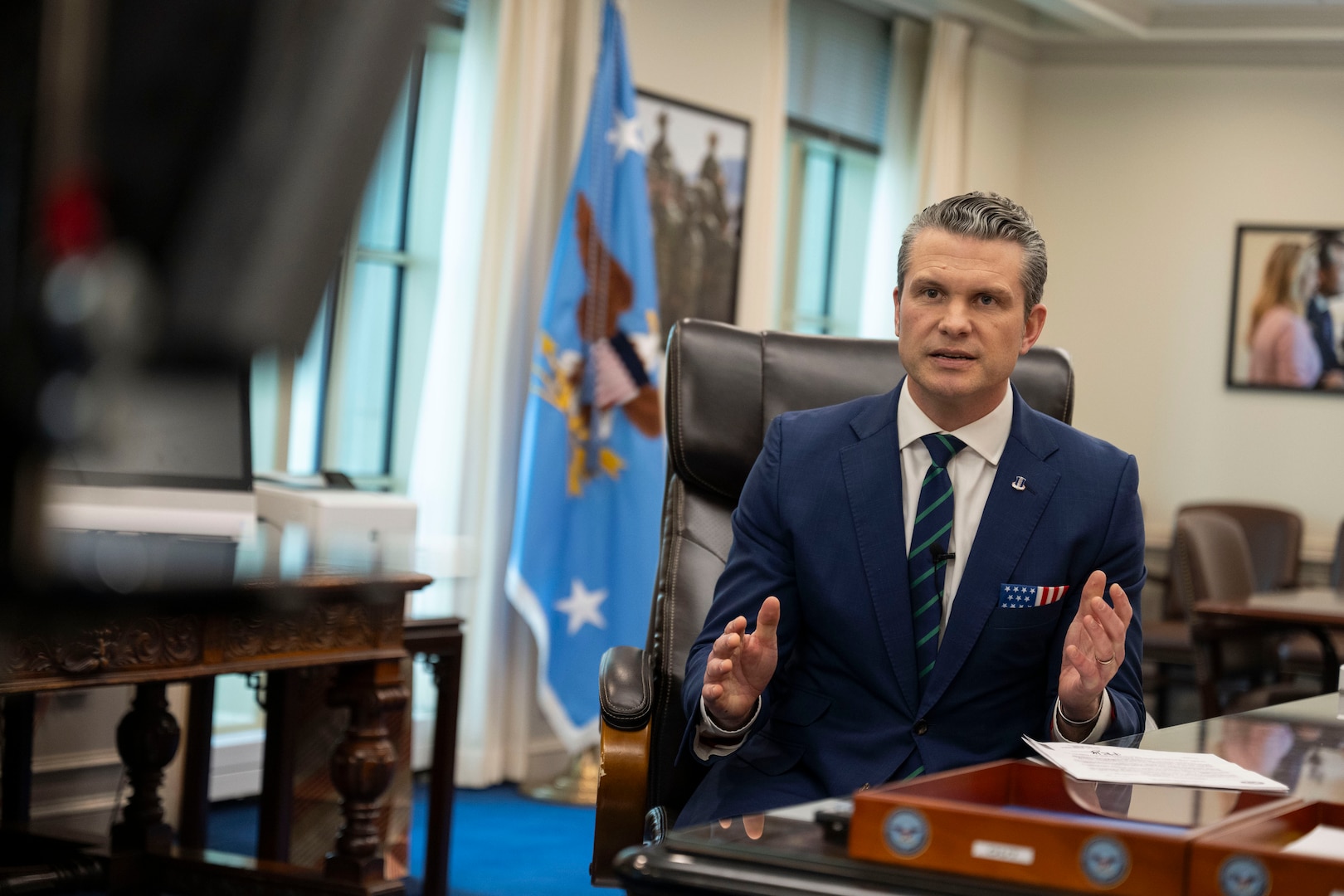
The outbreak follows a specific shift in Department of Defense policy directed by Secretary of Defense Pete Hegseth. Under the previous administration’s protocols, the influenza vaccine was a mandatory requirement for service members to ensure force protection and maintain high levels of operational readiness. However, recent directives have moved the vaccine to an optional status for many Air Force units.

The decision to make the vaccine optional was part of a broader policy shift aimed at increasing individual autonomy within the ranks, according to reporting by ABC News. This transition from a mandate to a recommendation has been a point of contention among public health experts within the military, who argue that mandatory vaccination is a cornerstone of preventing large-scale outbreaks in high-density environments like barracks and training facilities.
The following table illustrates the shift in policy regarding influenza immunization for Air Force personnel:
| Feature | Previous Policy | Current Policy (Post-Hegseth) |
|---|---|---|
| Vaccine Status | Mandatory for all service members | Optional/Recommended |
| Primary Objective | Force protection and readiness | Individual autonomy and choice |
| Compliance Oversight | Required for deployment and training | Left to individual discretion |
What is the impact of the outbreak on military readiness?
Military readiness refers to the ability of a force to perform its missions effectively and respond to contingencies. An influenza outbreak of this scale at a major training installation like Lackland presents a direct challenge to this capability. When a significant percentage of a unit is unable to train or deploy due to illness, the entire operational pipeline is slowed.
For the Air Force, the impact is twofold. First, there is the immediate loss of manpower at the base level, which affects daily training schedules and administrative functions. Second, there is the long-term concern regarding the training of new recruits. As Lackland is responsible for the initial entry training of a vast number of airmen, an outbreak among recruits can lead to delays in the graduation of new personnel into the wider force.
Military medical experts have noted that high-density living environments, such as military dormitories and dining halls, are high-risk areas for the rapid transmission of respiratory viruses. The removal of the mandatory vaccine requirement has changed the mathematical landscape of how these viruses spread through concentrated populations of service members.
How do military vaccine policies differ from civilian mandates?
While civilian populations often face varying levels of vaccine requirements depending on local laws or employer policies, the military has historically operated under a unique legal framework. The Department of Defense (DOD) maintains broad authority to mandate medical interventions that it deems necessary for the health of the force and the success of the mission.
This authority is rooted in the need to maintain a “ready force” that can operate in close quarters, often in austere environments where medical resources may be limited. The shift toward optional vaccination marks a departure from a long-standing tradition where medical readiness was treated as a fundamental component of combat readiness. The current situation in Texas serves as a real-world case study for the tension between individual liberty and collective military preparedness.
The following points summarize the core differences in how these policies have evolved:
- Legal Authority: The DOD has historically used statutory authority to mandate vaccines to prevent mass casualties and mission failure.
- Operational Context: Military environments involve high-density living and shared resources, which accelerate viral transmission compared to most civilian settings.
- Policy Direction: The recent move toward optionality reflects a changing philosophy regarding the relationship between the individual service member and medical mandates.
As the situation at Joint Base San Antonio-Lackland develops, officials are expected to monitor the infection rate and determine if any temporary measures are necessary to contain the spread. Further updates regarding the health status of the troops and any potential adjustments to base operations are expected as medical data becomes available from the Department of Defense.
Please leave your comments below regarding the implications of these policy changes on military readiness, and share this report with your network to keep others informed.
- Seattle Mayor Katie Wilson Faces Recall Petition Over Public Safety Concerns
- Liberal Frontbencher Sparks Outrage: “Put a Jumper On” Instead of Stricter Housing Standards
- FDA Approves Groundbreaking mRNA Vaccine Booster for Adults 50+, Boosting Immunity and Protecting Against Chronic Health Risks (archyworldys.com)
- Two Soldiers Dead After Military Apache Helicopter Crashes in Salado, Texas (archynewsy.com)