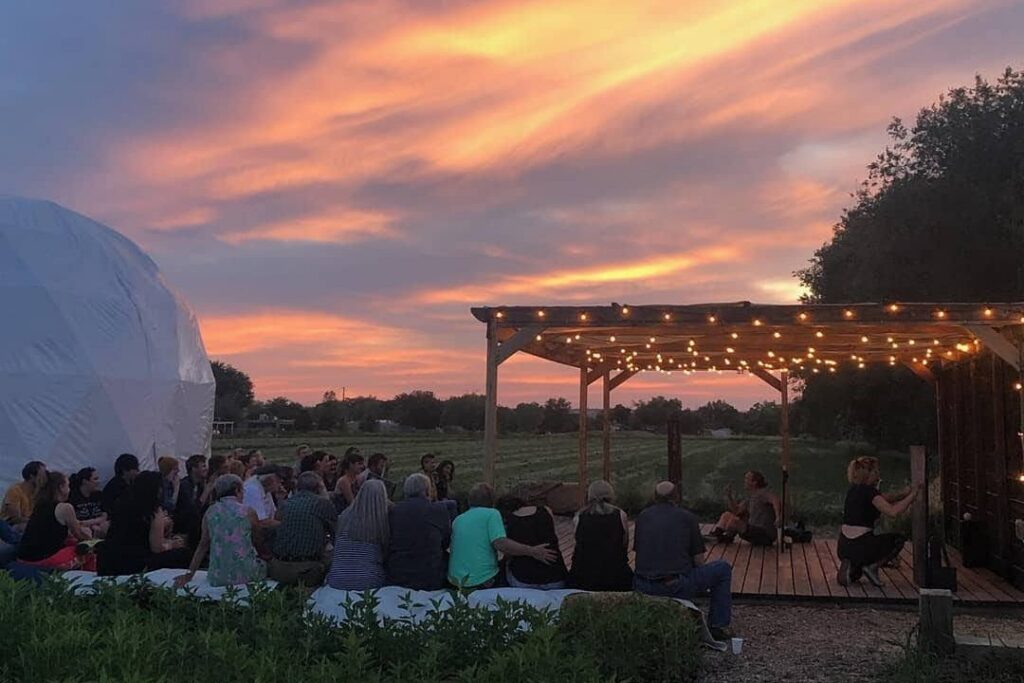
Duke City Repertory Theatre (DCRT) provides performing arts to the Albuquerque, New Mexico, community through a nomadic operational model that avoids the costs of a permanent facility and fixed ticket pricing. By utilizing various local venues and offering flexible entry costs, the company aims to integrate theatrical productions directly into the Southwestern urban landscape.
The company functions without a dedicated theater building, instead staging its productions in diverse locations throughout the Albuquerque area. This approach allows the organization to bypass the high overhead associated with maintaining a fixed real estate footprint, a common challenge for small-scale arts organizations in the United States. According to the company’s operational framework, this flexibility enables them to bring performances to different neighborhoods and community spaces.
In addition to its mobile venue strategy, Duke City Repertory Theatre employs a non-traditional pricing structure. Rather than adhering to a set ticket price for every performance, the company utilizes a model designed to increase accessibility for a broader demographic. This method seeks to remove the financial barriers that often prevent residents from engaging with local performing arts.
How the Nomadic Model Operates in Albuquerque
The decision to work without a fixed space defines the core identity of Duke City Repertory Theatre. In traditional theater models, companies invest heavily in lighting grids, seating, and stage mechanics within a single building. DCRT shifts this focus toward site-specific and mobile performances, which can include community centers, unconventional indoor spaces, or outdoor settings.

This nomadic style creates several logistical shifts for the production teams involved:
- Venue Selection: Each production requires a unique assessment of the physical space to determine how actors and sets will interact with the environment.
- Technical Adaptability: Instead of a permanent sound and light rig, the company must transport and install equipment tailored to the specific venue for each run.
- Community Integration: By moving between different parts of the city, the company brings art to audiences who may not regularly visit traditional arts districts.
This method mirrors a growing trend in the performing arts where “site-specific theatre” is used to create a more immersive experience for the audience. By removing the “fourth wall” of a traditional proscenium stage, DCRT can utilize the unique architecture or atmosphere of Albuquerque venues to enhance the narrative of their plays.
Addressing Financial Accessibility in the Arts
A significant hurdle for many local arts programs is the cost of attendance. Standard ticket pricing often limits theater-going to specific socioeconomic groups. Duke City Repertory Theatre addresses this through its policy of not maintaining set ticket prices, a move that functions as a form of community-based support.
While specific donation or “pay-what-you-can” amounts may vary by production, the goal remains consistent: to ensure that the cost of a ticket does not preclude a community member from attending. This model relies on the generosity of patrons and the support of the local audience to sustain the company’s production costs, including actor stipends, venue rentals, and technical equipment.
This approach places the company in a unique position within the New Mexico arts ecosystem. While larger, established institutions often rely on seasonal subscriptions and high-cost individual tickets, DCRT operates on a more fluid, grassroots economic cycle. This allows for a more immediate connection between the performers and the local community.
The Strategic Shift Toward Site-Specific Theatre
The transition from fixed-venue theater to nomadic performance is not merely a cost-saving measure; it represents a shift in how audiences consume stories. In a traditional theater, the audience sits in a dark, controlled environment. In the model used by Duke City Repertory Theatre, the environment becomes part of the story.

Comparing the two models reveals distinct advantages and challenges:
| Feature | Traditional Theatre Model | Nomadic/Site-Specific Model |
|---|---|---|
| Overhead | High (Rent, Utilities, Maintenance) | Lower (Variable Venue Rentals) |
| Audience Experience | Standardized and Controlled | Immersive and Variable |
| Accessibility | Often limited by fixed pricing | Designed for flexible entry costs |
| Logistics | Stable and Predictable | Complex and Highly Adaptable |
For the Albuquerque arts scene, the presence of a company like DCRT provides a necessary alternative to the institutionalized theater experience. It allows for experimentation with different genres and styles that might not be commercially viable in a large, high-rent theater setting.
Engaging with the Albuquerque Arts Community
For residents looking to support or attend local performances, the nomadic nature of the company means that schedules and locations can change more frequently than those of traditional venues. Interested community members are encouraged to monitor local Albuquerque arts listings and official company announcements for upcoming production dates and venue details.

Supporting such organizations often involves more than just attending a show. Because the company operates without a permanent home, community engagement through donations or volunteerism plays a critical role in their ability to secure new venues and continue their mission of accessible storytelling.
The next scheduled update regarding Duke City Repertory Theatre’s upcoming production schedule and venue locations will be released through their official communication channels. For those interested in the local performing arts landscape, following these announcements is the most direct way to participate in their upcoming season.
What are your thoughts on the nomadic theatre model? Does site-specific performance change how you experience a story? Share your comments and experiences below.