
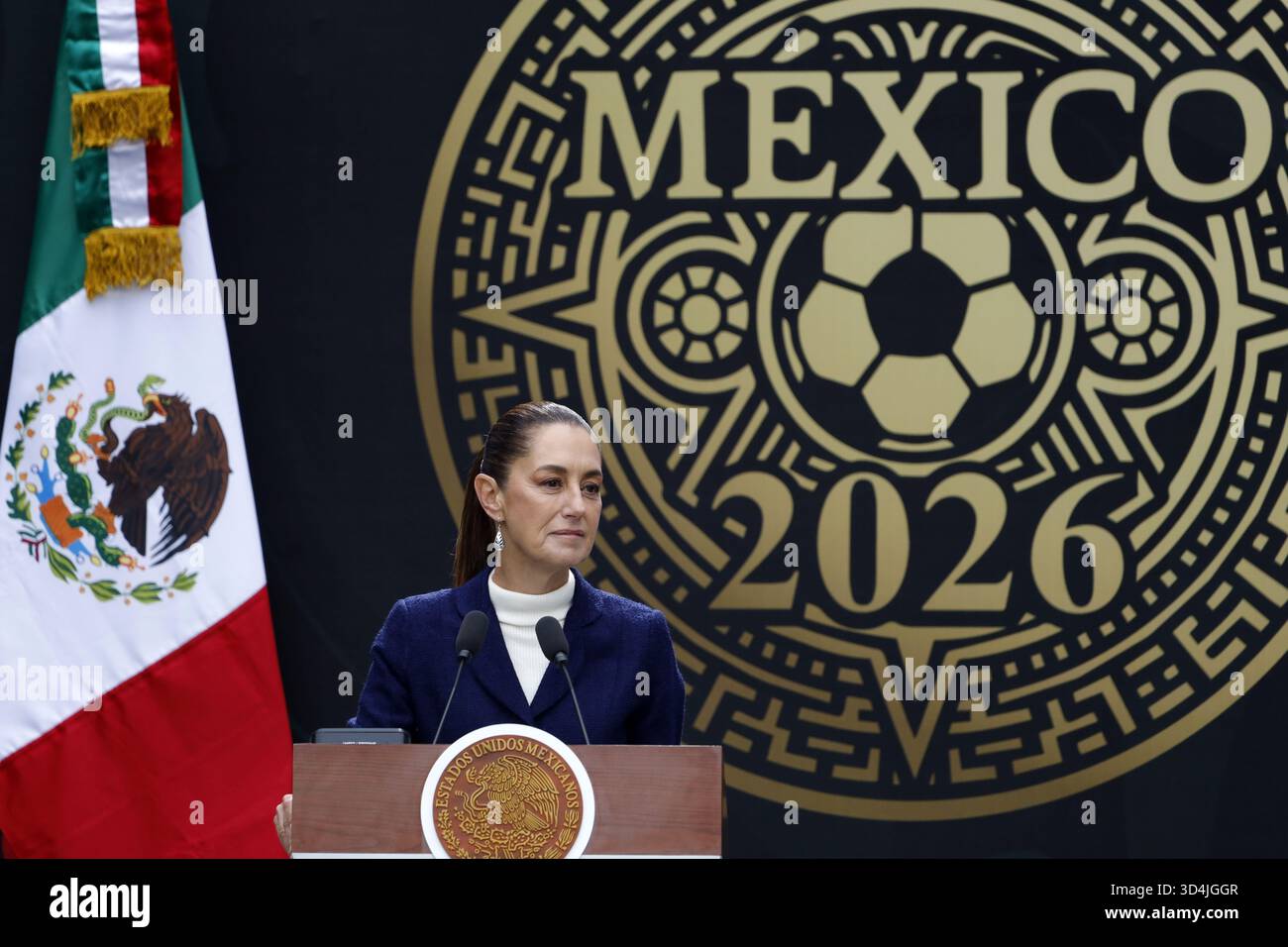
Mexican President Claudia Sheinbaum Pardo has formally rejected assertions made by former U.S. President Donald Trump regarding the internal security status of Mexico. Following comments in which Trump alleged that the Mexican government had lost control over its territory, Sheinbaum emphasized that Mexico remains a sovereign nation managing its own domestic affairs through institutional frameworks, according to official statements released by the Mexican presidency.
The exchange highlights ongoing tensions regarding cross-border security, migration, and trade. For international observers, the discourse underscores the complex diplomatic relationship between Mexico City and Washington D.C., particularly as both nations navigate shifting political landscapes and policy priorities in 2026. The tension centers on differing interpretations of security metrics and the efficacy of current bilateral cooperation agreements, as reported by the Reuters news agency.
Context of the Diplomatic Exchange
The controversy stems from recent public remarks by Donald Trump, who characterized the current security climate in Mexico as one of diminished state control. Trump has frequently utilized such rhetoric to advocate for more stringent border policies and potential shifts in how the United States approaches its southern neighbor. These remarks were delivered during a campaign-style appearance, where the former president sought to frame current regional challenges as a direct consequence of lax administrative oversight, as noted by the Associated Press.
In response, President Sheinbaum has consistently maintained that Mexico’s security strategy is based on addressing the root causes of violence rather than relying solely on militarized intervention. During a recent press conference, Sheinbaum reaffirmed that the Mexican state retains full authority over its national security apparatus and that cooperation with U.S. agencies remains conditioned on mutual respect for sovereignty. This stance is consistent with the constitutional mandate established under the current Mexican administration, which prioritizes social programs to mitigate the influence of organized crime, according to the official government portal of the Mexican Presidency.
Security Metrics and Bilateral Relations
The disagreement over whether Mexico has “lost control” is often tied to differing data sets regarding cartel activity and homicide rates. While U.S. political figures often highlight high-profile incidents of violence to support claims of instability, the Mexican government points to specific regional successes and the ongoing efforts of the National Guard to maintain order in volatile areas. According to data provided by the National Institute of Statistics and Geography (INEGI), security outcomes vary significantly by state, and national figures are subject to complex reporting methodologies that often lead to conflicting interpretations between international analysts and domestic officials.
The bilateral relationship is governed by several frameworks, including the Bicentennial Framework for Security, Public Health, and Safe Communities. This agreement, signed to replace the previous Merida Initiative, emphasizes a more holistic approach to security. As detailed in the official documentation from the U.S. Embassy in Mexico, the framework is intended to foster collaborative intelligence sharing and judicial reform, though its implementation remains a frequent topic of debate in both the U.S. Congress and the Mexican Senate.
What Happens Next: Monitoring the Dialogue
The diplomatic friction is expected to remain a focal point as the 2026 political calendar progresses. Observers suggest that the rhetoric surrounding border security will likely intensify as both nations approach future electoral cycles and policy reviews. The primary venues for these discussions will include upcoming meetings of the High-Level Security Dialogue and potential legislative hearings in Washington regarding the allocation of resources for border enforcement and counter-narcotics efforts.
Stakeholders, including business leaders in the automotive and agricultural sectors, are closely monitoring these developments, as any significant shift in diplomatic relations or border policy could impact the implementation of the United States-Mexico-Canada Agreement (USMCA). Updates regarding official bilateral meetings and policy shifts are typically posted on the U.S. Department of State website, which serves as the primary repository for confirmed diplomatic communications between the two nations. Readers interested in the evolution of this story are encouraged to monitor these official channels for verified updates on security cooperation and diplomatic communiqués.
Worth a look