
A New York Knicks championship would trigger a multi-layered economic and cultural transformation across New York City, driving significant surges in the hospitality, tourism, and retail sectors. While the franchise has not secured an NBA title since 1973, the current momentum of the team has led economists to project substantial revenue gains for the city should a title run culminate in a championship parade through the Canyon of Heroes.
The pursuit of an NBA championship by the New York Knicks has moved beyond the realm of sports fandom and into the sphere of urban economic forecasting. As the team maintains a competitive presence in the Eastern Conference, analysts are examining the potential “multiplier effect” that a championship victory would have on Manhattan’s commercial landscape. This phenomenon, often seen during major sporting triumphs, involves a surge in consumer spending that ripples through various municipal sectors.
Current market data indicates that the Knicks remain one of the most valuable franchises in the NBA, a factor that amplifies the potential scale of any city-wide celebration. According to recent valuations, the team’s brand strength is a primary driver of engagement in the New York metropolitan area, setting the stage for a massive economic influx if a title is secured.
How a Championship Title Drives the “Parade Economy”
A championship parade in New York City, specifically one traversing the Canyon of Heroes on Broadway, represents a massive logistical and economic undertaking. Historically, these events serve as major catalysts for street-level commerce. Local businesses, ranging from food service providers to retail outlets, experience a significant spike in foot traffic during such celebrations.

The “parade economy” is characterized by a concentrated burst of discretionary spending. While the city must allocate resources for security and sanitation, the revenue generated by millions of spectators often offsets these municipal costs. Experts in urban planning note that the concentration of people in high-density areas like Midtown Manhattan creates a unique window for micro-transactions that can total millions of dollars within a single afternoon.
This economic pattern is not unique to basketball. The city has seen similar surges during championship celebrations for the New York Yankees and the New York Mets. The scale of a Knicks parade, given the team’s massive regional following, would likely match or exceed the commercial activity seen in these previous celebrations.
Impact on the Hospitality and Tourism Sectors
The hospitality sector stands to be one of the primary beneficiaries of a Knicks championship. During high-stakes playoff runs and potential championship celebrations, hotel occupancy rates in Manhattan typically see an upward trend. This surge is driven by two distinct groups: domestic sports tourists traveling to witness the event and international visitors drawn to the city’s heightened cultural activity.
According to hospitality industry trends, major sporting milestones act as “destination drivers.” When a local team reaches the pinnacle of its sport, the demand for short-term lodging increases, allowing hotels to implement premium pricing models. This increase in RevPAR (Revenue Per Available Room) contributes directly to the city’s tax base through occupancy taxes.
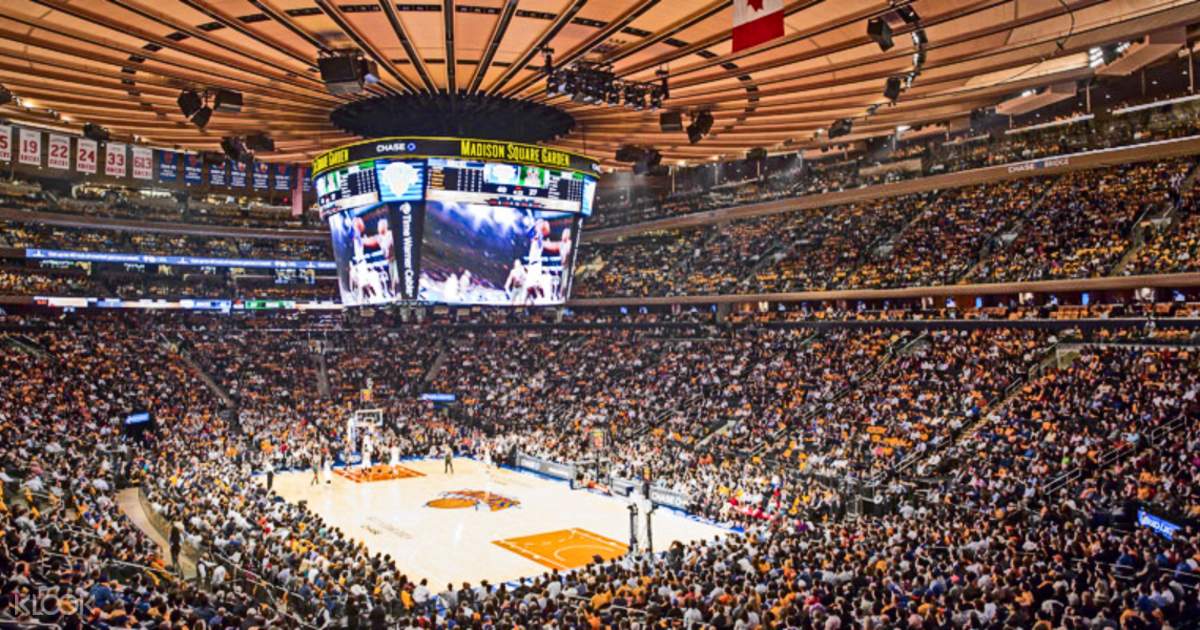
Furthermore, the dining and beverage industry experiences a correlated boost. Restaurants and bars in the vicinity of Madison Square Garden and along the parade route see increased reservations and higher average checks. This surge in the food and beverage sector provides a vital lift to the service economy, particularly for small-to-medium enterprises (SMEs) that form the backbone of Manhattan’s culinary scene.
The Madison Square Garden Effect on Midtown Commerce
Madison Square Garden (MSG), often referred to as “The World’s Most Famous Arena,” serves as the epicenter of the Knicks’ economic influence. The arena’s presence in the heart of Midtown Manhattan creates a localized ecosystem of commerce that reacts sharply to the team’s performance.
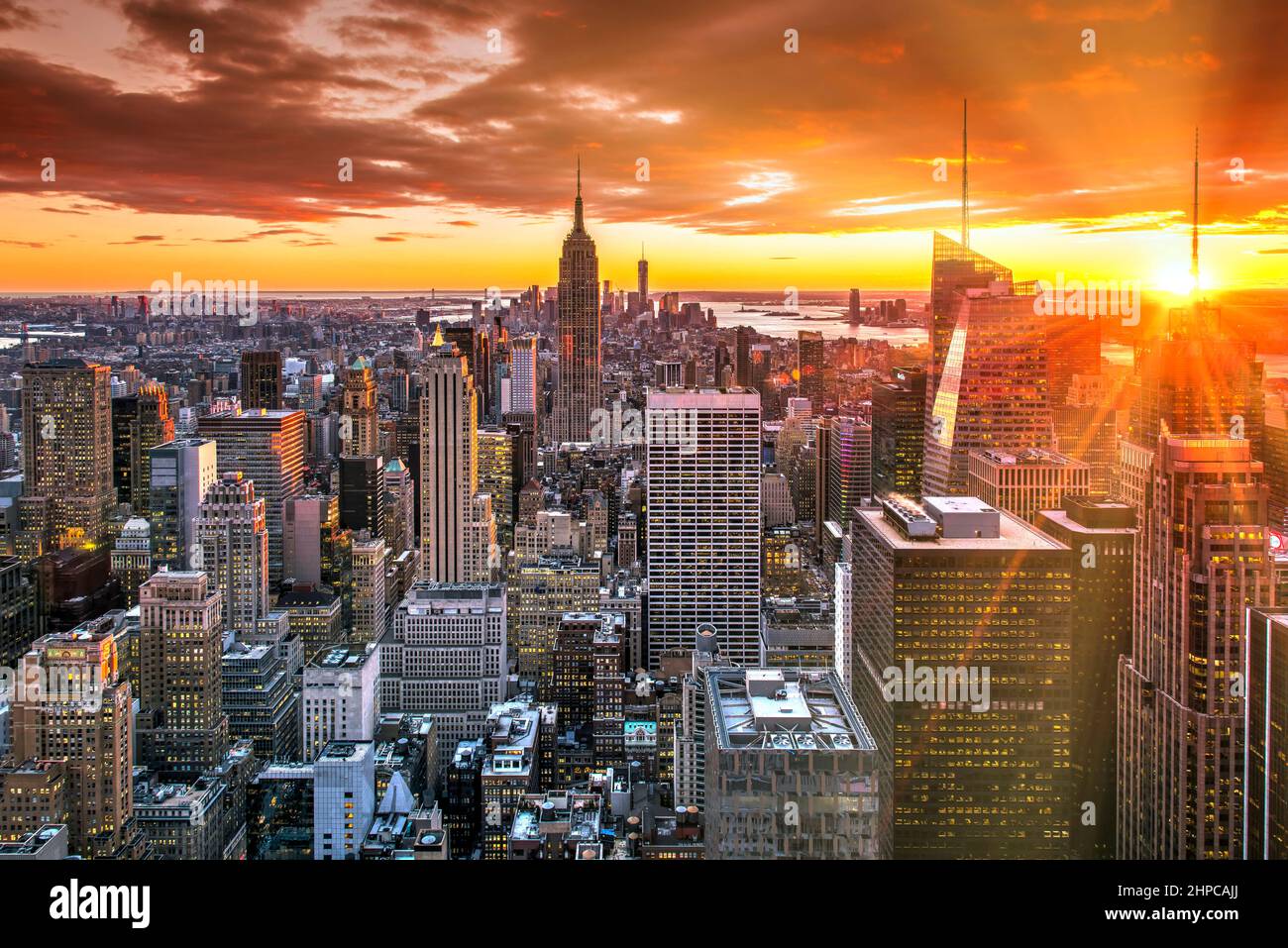
Retailers in the immediate vicinity of the arena benefit from the consistent influx of fans on game nights. A championship run would intensify this effect, extending the period of heightened activity from a single evening to a sustained multi-week period of increased foot traffic. This “halo effect” benefits not only sports-related merchandise but also general commuters and tourists who frequent the area.
Real estate and commercial interest in the Midtown area are also tied to the cultural vitality of the neighborhood. A successful Knicks era can enhance the “prestige factor” of the district, potentially influencing commercial lease rates and the types of high-end retail brands that seek presence in the area. The intersection of sports, entertainment, and high-density commerce makes the MSG area a critical node in New York City’s economic engine.
Historical Context: From 1973 to the Modern Era
To understand the potential transformation of the city, one must look at the historical benchmark of the Knicks’ last championship in 1973. The economic landscape of New York City was vastly different in the early 1970s, yet the cultural impact of that victory remains a part of the city’s sporting identity.
The modern economic environment offers a much more complex and integrated platform for a championship victory. Today, the impact is amplified by digital media, global tourism, and a highly interconnected service economy. While the 1973 win was a localized cultural moment, a modern championship would be a global media event, driving interest and revenue from across the world.
The following table compares the projected economic drivers of a modern championship versus historical sporting celebrations:
| Economic Driver | Historical Impact (e.g., 1970s) | Modern Impact (Projected) |
|---|---|---|
| Tourism Reach | Primarily regional/domestic | Global/Digital-driven |
| Retail Velocity | Physical storefront focus | Omnichannel (Physical + E-commerce) |
| Media Revenue | Local broadcast/Print | Global streaming/Social media |
| Hospitality Surge | Localized hotel occupancy | City-wide RevPAR optimization |
Key Takeaways: The Economic Ripple Effect
- Hospitality Surge: Increased hotel occupancy and RevPAR driven by sports tourism.
- Retail Growth: Heightened foot traffic in Midtown Manhattan and around Madison Square Garden.
- Municipal Revenue: Increased tax collections from sales, occupancy, and dining.
- Cultural Capital: Enhanced city brand and global visibility through media coverage.
As the New York Knicks continue their current campaign, the focus remains on the court. However, for the city’s business leaders and urban planners, the stakes extend far beyond the final score. The potential for a championship to act as an economic catalyst remains a significant factor in the city’s long-term commercial outlook.
The next major checkpoint for the franchise will be the upcoming scheduled NBA regular-season games and subsequent playoff seeding determinations. Updates regarding team performance and official postseason schedules can be monitored via the official NBA Knicks page.
What do you think a Knicks championship would mean for New York City? Share your thoughts in the comments below and share this article with your network.
Worth a look